Did you know? Companies that master inbound lead generation generate 54% more leads at significantly lower costs than those using traditional methods. In today's digital business landscape, the unsung edge often comes from unconventional tactics and a deep understanding of buyer behavior. Ready to discover high-impact inbound lead gen tricks that set your website—and pipeline—on fire? Read on to tap into new perspectives and actionable secrets every business can use.
Unveiling the Power of Inbound Lead Generation: Startling Facts and New Perspectives

- Did you know that companies excelling at inbound lead generation generate 54% more leads at a fraction of the cost compared to traditional methods? Discover why mastering inbound lead gen is non-negotiable for sustained growth.
The evolution of lead gen is nothing short of remarkable. From traditional cold calling to modern SEO and content marketing , today's leading organizations thrive by putting the customer first. Businesses maximizing inbound lead generation skills are not just growing their prospect lists—they're nurturing relationships with qualified leads at a much higher rate. If your growth has stalled or your team is chasing unqualified prospects, it's time to rethink your approach—and consider what inbound tactics can do for your bottom line.
While outbound lead methods still have their place, they often lack efficiency and scalability. Innovative companies now turn to inbound strategies to deliver continually growing and cost-effective results. By adopting a modern, inbound lead gen mindset, your business will be prepared for sustainable growth, ready to capture valuable leads, and equipped to handle new waves of digital disruption.
How Inbound Lead Generation Fuels Business Growth (with Key Lead Gen Concepts)
- Defining inbound lead generation and its crucial role
- Practical examples: From landing pages to content marketing
- The shift from outbound lead generation to inbound tactics
Inbound lead generation is the process of attracting potential customers by delivering valuable content and experiences tailored to their needs. Rather than disrupting prospects with cold calls or paid ads, inbound tactics pull users towards your brand by solving their pain points with timely information, helpful blogs, and irresistible offers. Modern websites and marketing teams use conversion-focused landing pages, engaging lead magnets, and informative blog posts to organically bring in targeted traffic.
Consider the practical differences: An outbound lead approach actively pushes messages to the masses, hoping to connect with a small percentage. Instead, the inbound model nurtures potential customers throughout their buyer journey, earning trust by providing solutions at every stage. For instance, an educational blog post or a compelling eBook can draw thousands of visitors into your marketing funnel, while a high-converting landing page transforms those visitors into qualified lead opportunities. Businesses embracing inbound lead gen see higher ROI, stronger customer relationships, and scalable growth that outpaces the competition.
With the digital landscape constantly evolving, now is the perfect time to shift your lead generation strategy. Prioritize inbound techniques—from SEO to social media—and your team will generate more leads with higher intent, ready to be nurtured and converted by your motivated sales team.
What You’ll Learn: Transforming Your Lead Generation Strategy

- Essential principles behind inbound lead gen
- Best-in-class inbound and outbound lead generation strategies
- How to create landing pages that convert
- Leveraging blog posts and content marketing for qualified leads
- Ways to boost your sales team ’s performance
By the end of this comprehensive guide, you'll know how to build a robust inbound lead generation strategy that combines landing pages , content marketing , social media , and automated nurturing for unstoppable growth. Discover how leading organizations align marketing and sales teams, leverage long-form vs short-form content, and harness email marketing workflows—all to drive consistent, qualified inbound leads into your pipeline.
Get ready to apply actionable tips, test cutting-edge strategies, and see real-world case studies of brands that have doubled or even tripled their lead gen results. From theory to implementation, this article covers every step of the journey to mastering modern inbound marketing.
The Core Principles Behind Successful Inbound Lead Generation
Inbound vs Outbound Lead Gen: Why Inbound Leads Reign Supreme

At the heart of modern lead gen is the transition from outbound to inbound. Outbound lead generation typically involves proactive approaches such as cold call s, mass emailing, and disruptive ads—methods that interrupt a potential customer hoping to spark interest. Inbound lead generation, in contrast, leverages valuable content , SEO, and social media to attract prospects actively seeking solutions to their pain points .
Not only do inbound leads cost less to acquire, but they also convert at higher rates. Why? Because the prospects are already educated about your offering and have signaled intent by their actions. Traditional outbound lead methods may still be useful for specific campaigns, but the data is clear: businesses that invest in inbound lead gen see up to three times more qualified leads for a fraction of the spend. It's no exaggeration— inbound lead generation has transformed from a marketing trend to an absolute necessity for any sales team looking for predictable, scalable growth.
Remember, in a world saturated by advertising noise, the brands that listen, understand, and respond to customer needs win the long game. With more buyers researching their options online than ever before, the majority of your next customers will find you through an inbound journey—will you be ready?
Understanding the Inbound Leads Lifecycle: Turning Traffic into Qualified Lead Opportunities
The secret to generating high-intent inbound leads lies in your ability to understand and nurture the lead lifecycle. The journey begins when a potential customer discovers your relevant content via a Google search, social timeline, or curated newsletter. Each interaction builds trust, whether through an in-depth blog post, a downloadable whitepaper, or an insightful webinar.
Once captured, a lead passes through several qualifying steps—initial engagement, information sharing, and lead scoring—before emerging as a truly qualified lead . Only then are they ready for a handoff to your sales team . Using targeted follow-ups, personalized offers, and ongoing value, your business can turn mere website visitors into loyal brand advocates eager to share their positive experiences.
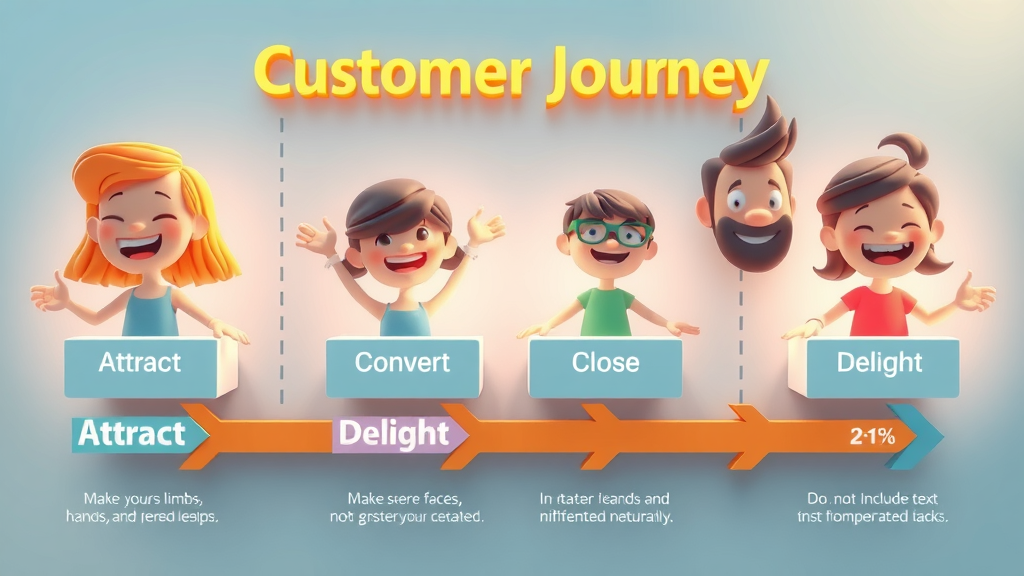
Understanding these stages helps you address each phase of your lead generation strategy : attract, engage, convert, and delight. Mastering the lifecycle is crucial to scaling inbound lead gen and driving more revenue through your funnel.
Lead Generation Strategies: From Content Marketing to Social Media Integration
Great lead generation strategies blend multiple channels to reach prospects where they are. Content marketing is the backbone—producing blog posts, video tutorials, podcasts, and infographics that answer burning questions and alleviate customer pain points. But that’s just the start.
Integrating social media campaigns allows you to distribute this content, engage directly, and start real conversations with your audience. Every Like, Share, and Comment increases your reach, funnels users to your high-converting landing pages , and helps you generate leads organically.
Meanwhile, advanced teams leverage a mix of inbound and outbound tactics—using data analytics, targeted outreach, and retargeting ads for conversion optimization. The best strategies rarely stick to one avenue—instead, they combine several to ensure no potential customer falls through the cracks.
High-Converting Landing Pages: The Cornerstone of Inbound Lead Generation
Landing Page Design: Elements That Drive Qualified Leads

An effective landing page is more than just a digital placeholder—it's a powerful conversion machine. To generate leads consistently, your landing pages must have a single clear goal, persuasive copy, attention-grabbing headlines, and a strong call-to-action. Visual hierarchy and white space direct the visitor’s attention where it matters most, while trust signals (like testimonials and security badges) reduce friction and increase completion rates.
Modern marketers test every aspect—from button color to form fields—ensuring each change contributes to better results. Notably, a well-crafted landing page presents an irresistible offer in exchange for a visitor’s contact details, quickly converting casual browsers into inbound leads. Key elements include concise messaging, benefit-focused bullet points, and fast-loading, mobile-friendly layouts that deliver a seamless user experience.
Don't forget: Connection trumps distraction. Minimize outbound links, remove unnecessary navigation, and guide users smoothly to your form. Inbound lead generation thrives when your landing pages are optimized for relevance, value, and trust.
Case Study: Transforming a Landing Page for Massive Lead Gen Impact
Take the example of a SaaS provider whose landing page once languished with high bounce rates and few conversions. By updating the design with a compelling headline, customer pain points, and a targeted lead magnet, their inbound leads doubled in just 60 days.
Conversion optimization included features like video explainers, A/B-tested CTAs, and testimonials from satisfied clients. The key lesson? A landing page tailored to your audience’s real needs—and continuously improved based on analytics—delivers massive lead gen gains. This case illustrates the critical role of landing page design in any successful inbound lead generation strategy.
Every change, backed by data and customer feedback, can mean the difference between mediocre results and massive pipeline growth. Inbound lead gen’s true value is unlocked when you treat each landing page as a living, evolving asset.
Content Marketing Mastery: Building Authority and Generating Inbound Leads
Crafting Blog Posts and Lead Magnets that Capture Attention

Without great content, even the best inbound strategies will fall flat. Crafting attention-grabbing blog posts and downloadable lead magnets is essential for driving organic traffic and demonstrating expertise. Start with keyword-rich topics that solve customer pain points and use engaging headlines to draw readers in.
Valuable blog posts educate, inform, and guide readers through every stage of the buyer’s journey. Complement longer resources—eBooks, checklists, webinars—with strong calls-to-action. When a visitor opts into a well-timed lead magnet, you've immediately qualified their interest, building your inbound lead pool with prospects who are genuinely invested in your offerings.
Mix educational, thought-leadership, and how-to content for maximum impact. Don’t forget to repurpose blog content across email marketing, social media, and even video for exponential reach.
Long-Form vs. Short-Form Content: What Works Best for Inbound Lead Acquisition?
One crucial decision in content marketing is choosing the right format for your audience. Long-form blog posts —2,000 words or more—demonstrate authority and rank higher in search engines . They’re indispensable for nurturing complex B2B buyers or explaining products with multiple features.
However, short-form content (under 800 words) can generate leads among mobile users or busy professionals seeking actionable tips. The key is to tailor your approach: Use long-form guides as cornerstone “evergreen” resources, while short snippets work well for social media shares, newsletters, and quick email marketing blasts.
Monitor your analytics to see which content drives the most engagement, lead magnet downloads, and signup rates. By combining both long and short content in your inbound marketing plan, you’ll appeal to every stage of your ideal buyer’s search journey.
Email Marketing and Automation: Capturing, Nurturing, and Converting Inbound Leads
Designing Email Sequences for Optimal Lead Generation

Well-executed email marketing is the engine of inbound lead nurturing. Automated email sequences allow you to engage new leads immediately, building trust and keeping your brand top-of-mind until prospects are ready to buy. The first message should thank new subscribers and deliver the promised lead magnet, setting expectations and encouraging interaction.
Follow up with educational content, case studies, and product demos—each email gently nudging the recipient closer to a sale. Personalization is critical: Use segmentation based on engagement or demographic data, addressing recipients’ specific interests and pain points. Segmenting your list ensures the right content reaches the right prospect at the perfect moment, maximizing open rates and conversions.
Remember, inbound lead gen is not about blasting your offers but about building valuable, two-way relationships. Let your emails reflect genuine helpfulness and responsiveness, earning customer trust that leads to higher lifetime value and more referrals.
Amplifying Inbound Lead Generation with Social Media Strategies
How to Use Social Media Campaigns to Boost Inbound Lead Gen

Social media has evolved from a brand-awareness channel into a powerful lead gen engine. Strategic campaigns—crafted with clear audience targeting and highly shareable content—can funnel qualified inbound leads straight into your marketing system. Use lead gen ads, interactive polls, and resource giveaways across platforms such as LinkedIn, Facebook, and Instagram to reach prospects where they spend their time.
Integrate social CTAs that direct users to optimized landing pages or gated content. Each interaction—in the form of likes, shares, or comments—signals interest, giving you multiple touchpoints to educate and engage. Don’t forget community management: Responding promptly to DMs and comments further demonstrates value and positions your business as approachable and knowledgeable.
A successful social media lead generation strategy leverages organic and paid posts, video snippets, influencer partnerships, and real-time engagement—all tied to specific business goals and tracked through detailed analytics.
Real-World Example: Social Media’s Role in Generating Qualified Leads
A B2B consultancy boosted monthly inbound leads by 180% simply by launching a LinkedIn sponsored content campaign. By targeting decision-makers with assets tailored to industry-specific pain points, their engagement rates soared—and so did consultations booked through their landing page.
Key takeaways? Know your audience, tailor content for each platform, and offer resources that address topical challenges. The synergy between valuable content, targeted social media, and follow-up by the sales team propels lead generation outcomes well beyond what’s possible with outbound alone.
In short, social media isn’t just about going viral; it’s about consistently generating and qualifying leads that feed your growth engine.
Search Engine Optimization: Driving Consistent Traffic for Inbound Lead Generation
SEO Best Practices for Lead Generation: Ranking for Intent

Search engine optimization (SEO) is foundational for inbound lead generation . Unlike paid ads, SEO grows your organic traffic over time, capturing potential customers at the exact moment they’re searching for solutions. To rank for buyer intent, research keywords with high conversion value—like “best CRM for small businesses” or “how to automate lead nurturing”—and integrate them naturally into your content marketing strategy.
Optimize blog posts, landing pages, and lead magnets around these phrases. Use descriptive titles, readable formatting, and strategic internal links, ensuring both readers and search engines easily understand your offerings. Don’t ignore meta tags, structured data, and page speed—all factors Google weighs heavily in rankings.
Pillar content, such as in-depth guides and FAQs, helps capture broad search intent, while supporting articles and topical blog posts increase your domain authority in your chosen niche. This combination steadily drives ever-growing traffic and qualified leads directly into your sales funnel.
On-Page and Off-Page SEO Tactics for Maximizing Inbound Leads
On-page SEO involves optimizing every element of your website—titles, headers, images, CTAs—for maximum discoverability and user engagement. It ensures each page answers specific search intents, targeted with the right keywords and structured for fast, mobile-first browsing.
Off-page SEO focuses on building your brand’s authority through backlinks and partnerships. Guest blogging, digital PR, business listings, and social sharing all contribute. The more reputable sites link to your resources, the more trust (and rankings) you gain in the eyes of search engines.
Don’t overlook technical SEO. Clean URL structures, secure hosting, and accessibility cues dramatically impact both your traffic and your conversion rates. Combine strong on-page and off-page practices for a holistic inbound lead generation strategy that delivers consistent, compounding returns.
How to Align Your Sales Team with Your Inbound Lead Generation Strategy
Sales and Marketing Alignment: Converting Inbound Leads into Sales

Successful inbound lead generation means nothing if your sales team isn’t equipped to convert those leads into revenue. Alignment starts with clear communication: Marketing must share insights, lead scoring criteria, and ongoing feedback with Sales. In turn, Sales provides frontline data on pain points, objections, and close rates.
Jointly define what constitutes a qualified lead (MQLs, SQLs), and create closed-loop reporting so every opportunity is accounted for. Set up regular “smarketing” meetings to review results, refine your criteria, and ensure leads get immediate, relevant follow-up.
When marketing and sales collaborate on campaigns, share goals, and celebrate wins together, inbound lead gen drives predictable, repeatable growth that benefits everyone.
Key Performance Indicators to Track Inbound Lead Conversion
To maximize your inbound lead generation results, obsess over KPIs that matter: cost per lead, conversion rates by channel, lead-to-opportunity ratio, and pipeline velocity. Monitor which landing pages, blog posts, or campaigns bring in the most inbound leads—and which generate sales-ready prospects.
Use dashboards and CRM analytics to spot patterns, test new generation strategies, and uncover bottlenecks. Share these insights across teams, enabling both marketing and sales to pivot quickly and pursue the highest-impact tactics.
Ultimately, sustained alignment, rigorous measurement, and adaptive lead generation strategies turn a trickle of inbound leads into a steady stream of buyers.
People Also Ask: Top Questions About Inbound Lead Generation
What is inbound lead gen?
- Inbound lead gen focuses on attracting prospects by providing valuable content and experiences tailored to them, converting visitors into qualified leads via channels like SEO, content marketing, and landing pages.
What is the difference between inbound and outbound lead generation?
- While inbound lead generation brings potential customers to you through value-based tactics, outbound lead generation involves actively reaching out to prospects via calls, emails, or ads. Inbound is pull, outbound is push.
What are the 4 stages of inbound marketing?
- The 4 key stages are: Attract (draw in visitors), Convert (turn visitors into leads), Close (turn leads into customers), and Delight (provide value so they promote your brand).
What is outbound lead generation?
- Outbound lead generation refers to proactive outreach (cold calls, emails, ads) to engage prospective clients and generate leads, the opposite of inbound approaches based on attraction.
Table: Comparing Inbound vs Outbound Lead Generation
| Lead Gen Approach | Typical Tactics | Cost per Lead |
|---|---|---|
| Inbound Lead Generation | SEO, Blog Posts, Landing Pages, Content Marketing, Social Media, Email Workflows | Low to Moderate |
| Outbound Lead Generation | Cold Calls, Direct Mail, Paid Ads, Outbound Emails, Events | High |
Expert Voices: Insights on Inbound Lead Generation Strategies that Work
“Content is the atomic particle of all digital marketing.” – Rebecca Lieb
“Inbound marketing produces 3 times more leads per dollar than traditional methods.” – HubSpot Research
Actionable Checklist: Elevate Your Inbound Lead Generation Today
- Audit your existing lead generation strategies
- Optimize landing pages for conversions
- Publish resource-rich blog posts
- Implement social media lead gen ads
- Personalize your email marketing campaigns
- Align your sales and marketing teams
Answers to Frequently Asked Questions for Inbound Lead Generation
How do you qualify inbound leads for your sales team?
- By analyzing engagement, demographic data, and behavior using lead scoring models, then passing the best qualified leads to your sales team for follow-up.
Which tools are essential for inbound lead gen management?
- Key tools include CRM systems, marketing automation platforms, analytics tools, and content management systems.
What mistakes should be avoided in inbound lead generation?
- Avoid poor targeting, lack of follow-up, overlooking SEO basics, and ignoring data-driven insights.
Case Studies: Businesses Winning with Inbound Lead Generation
Case Study 1: SaaS Company Doubles Inbound Leads in 3 Months

A SaaS startup revamped its inbound lead generation by combining targeted content marketing with optimized landing pages. Before, their site attracted minimal organic traffic, and conversion rates lagged behind competitors. After implementing long-form blog posts addressing specific industry pain points, promoting downloadable guides, and restructuring landing page CTAs, their inbound leads doubled in just three months. This dramatic spike translated into faster pipeline velocity and a 31% increase in monthly sign-ups.
The campaign's success hinged on continuous A/B testing, collecting customer feedback, and tight integration between the marketing and sales teams—all pillars of a modern inbound lead gen system.
The takeaway? Targeted, insightful content and optimized user journeys are critical for inbound success, especially in crowded SaaS markets.
Case Study 2: B2B Firm Boosts Qualified Leads through Search Engine Optimization
A B2B professional services firm used strategic search engine optimization and blog content to transform their inbound lead funnel. Keyword research revealed new opportunities in untapped verticals, while a library of detailed guides and industry thought-leadership articles enhanced the company’s authority.
With on-page and off-page SEO improvements, their organic traffic increased 250%, and conversions rose sharply. Qualified inbound leads steadily replaced low-intent, outbound prospects—streamlining both follow-up and closing rates for the sales team.
Lesson learned: Sustained investment in content and SEO pays dividends, powering lead generation and business growth far into the future.
Key Takeaways for Mastering Inbound Lead Generation Tactics
- Inbound lead gen leverages modern buyer behavior
- High-quality content, SEO, and landing pages remain central
- Ongoing nurturing and alignment with sales drive conversions
- Social media and email automation propel results
Next Steps: Transform Your Lead Generation Strategy Today
- Ready to embrace the best inbound lead generation practices for massive traffic? Implement these action steps and watch your sales pipeline grow.
Video: The Evolution of Inbound Lead Generation and Lead Gen Strategies
Video: How To Optimize Landing Pages for Better Inbound Leads
Video: Content Marketing Tactics that Boost Inbound Lead Gen
Video: Expert Interview—Aligning Sales Team with Your Inbound Lead Generation
Conclusion
Start today: Audit your current lead gen tactics, implement these inbound strategies, and accelerate your sales team's results with smarter, data-driven approaches!




Write A Comment