Add Row
Add Element
Add Element
  • Home
  • Categories
    • Social Media Management
    • Video Resources
    • blogging
    • Traffic
  • Media Sites Hub
  • All Posts
  • Social Media Management
  • Video Resources
  • blogging
  • Traffic
  • Media Sites Hub
June 14.2025
1 Minute Read

Sales funnel optimization Secrets to Maximize Your Revenue

Startling Fact: Did you know that only 22% of businesses are satisfied with their sales funnel conversion rates? If you’re among the majority seeking higher conversions and more revenue, mastering sales funnel optimization is the competitive edge you need. Unlock strategies industry leaders use and discover how a finely-tuned conversion funnel can transform your bottom line—starting today.

Unlocking Sales Funnel Optimization: The Surprising Truth About High-Performing Conversion Funnels

  • Did you know that only 22% of businesses are satisfied with their sales funnel conversion rates? Discover why mastering sales funnel optimization is the key to outperforming your competitors and maximizing profits.

sales funnel optimization business team analyzing conversion rates on digital screen, upward-trending graphs

Despite widespread investments in marketing strategies, the vast majority of companies struggle to achieve optimal results from their sales funnels . The reason? Many businesses lack a systematic approach to optimizing each conversion funnel stage , leading to lost leads, wasted ad spend, and underwhelming profits. By focusing on funnel optimization , businesses can identify drop-off points, improve their messaging, and create more compelling marketing funnels that convert potential customers into loyal brand advocates. Mastering this process isn't just beneficial—it's necessary. Those companies that excel at sales funnel optimization routinely see higher conversion rates , bigger average order values, and recurring business from happy, loyal customers. If you want to outperform your competitors and reach your full revenue potential, learning and applying expert funnel optimization strategies must become a cornerstone of your business plan.

Master the Art of Sales Funnel Optimization to Boost Every Stage of Your Conversion Funnel

  • Gain actionable techniques for sales funnel optimization.
  • Learn how to elevate your conversion funnel for measurable improvements.
  • Uncover practical examples from successful sales funnels.
  • Get the secrets behind funnel optimization that industry leaders use.
  • Find out how to benchmark and improve your sales funnel using data-driven strategies.
Comparison of Sales Funnel Optimization Strategies and Their Impact on Conversion Rates
Strategy Typical Conversion Rate Increase (%) Benefits
Landing Page A/B Testing 12-30 Optimizes copy and design to reduce drop-offs
Personalization and Segmentation 10-25 Targets messaging to specific audience segments
Social Proof Integration 8-22 Boosts trust and engagement through testimonials
Email Retargeting Campaigns 7-18 Re-engages abandoned leads at each funnel stage
Analytics-Driven Funnel Optimization 15-35 Uses data to refine each step and improve overall ROI
"Optimizing your sales funnel isn't just smart—it’s essential for revenue growth in today’s digital marketplace." – Leading Marketing Expert

What is Sales Funnel Optimization?

Demystifying Sales Funnel Optimization: An Essential Conversion Funnel Strategy

  • Definition of sales funnel optimization
  • Difference between conversion funnel and sales funnel
  • Why is funnel optimization crucial for every business?
  • The primary components that affect sales funnel success
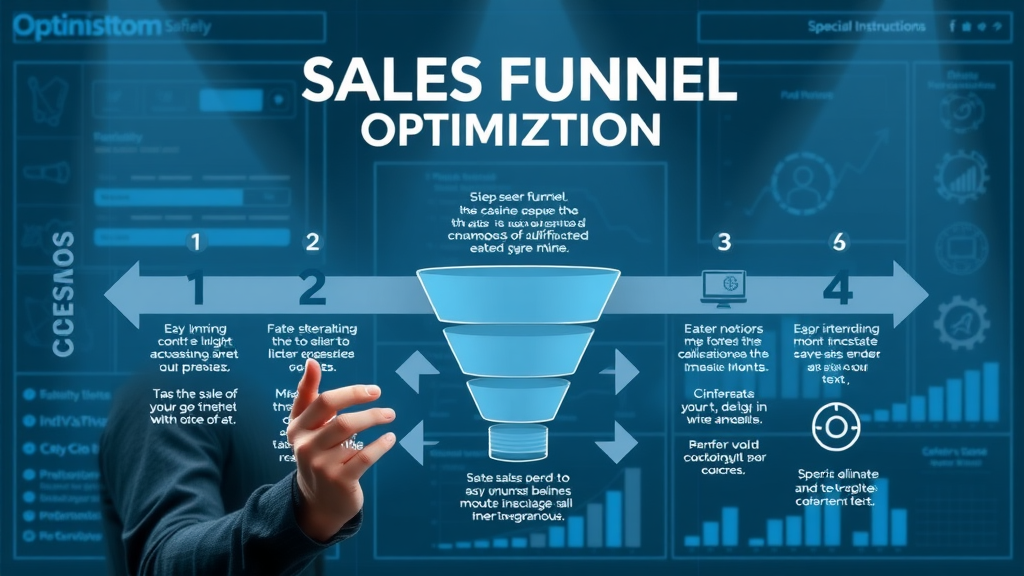
infographic steps of sales funnel optimization and stages key stages and flow

Sales funnel optimization refers to the process of analyzing and improving each step of your sales and conversion funnel to increase the likelihood that prospects will progress from initial interest to becoming a paying customer. While the terms sales funnel and conversion funnel are often used interchangeably, the sales funnel focuses on the journey from first contact to closing the sale, while the conversion funnel zeroes in on the specific actions (sign-ups, downloads, purchases) that move someone closer to that sale.

Effective funnel optimization is crucial because even a small increase in conversion rates at any stage can lead to greater revenue and growth. The key components that affect funnel success include insightful target audience segmentation, strategic landing pages, persuasive content, clear calls to action, and the integration of social proof like testimonials and reviews. By optimizing each of these levers, businesses can route more prospects through the customer journey —from awareness to loyal advocacy—while reducing wasted marketing efforts and ad spend.

Ultimately, sales funnel optimization helps you convert more visitors into leads and more leads into customers by targeting their needs and behaviors at every funnel stage. It's not just about driving traffic—it's about maximizing the value of each prospective customer who interacts with your brand.

The Five Key Stages of an Effective Sales Funnel

Mapping the Customer Journey From Awareness to Conversion

  • Awareness stage: capturing attention
  • Interest & consideration: holding the target audience
  • Decision: the role of landing page best practices
  • Action: driving conversions at the bottom of the funnel
  • Loyalty and advocacy: harnessing social proof and repeat customers

Understanding the five stages of an effective sales funnel is essential to aligning your marketing strategies with your target audience’s needs. First is the awareness stage , where your main goal is to capture attention and introduce your brand or product or service to potential customers. At this stage, impactful blog posts, engaging social media campaigns, and targeted ads play a pivotal role in inviting prospects into your marketing funnel .

Next comes interest and consideration . Here, you nurture your potential customer’s curiosity by providing valuable content, educational resources, and answers to their pain point questions. The right messaging and helpful email marketing move your leads closer to making an informed decision, increasing the effectiveness of your conversion funnel .

As prospects move deeper, the decision stage leverages landing page best practices for clarity and persuasion. Here, concise copy, compelling calls to action, and reassuring social proof work together to reduce objections. The action phase is where visitors become paying customers by completing a purchase or desired action. Finally, the loyalty and advocacy stage emphasizes post-purchase engagement: collecting reviews, enabling referrals, and nurturing repeat business, ensuring customers share their positive experience and support your brand’s growth.

Understanding the Sales Funnel Technique: Turning Prospects Into Profits

How Each Funnel Stage Aligns With Buyer Behavior

  • Segmenting your audience at every stage of the funnel
  • Aligning content and offers to the customer journey
  • Optimizing messages for each conversion funnel stage

marketing funnel segmentation customer journey digital dashboard funnel stages

To turn prospects into profits, it's vital to map your customer journey and understand how buyer behavior changes at each funnel stage. Audience segmentation is key—your target audience in the awareness phase may respond to blog posts or social ads, while those in the action phase are more likely to be influenced by direct offers, detailed product or service information, and contact info for sales support.

By aligning your content strategy and offers to where prospects are in the conversion funnel , you can deliver the right marketing message, at the right time, with the right medium. For instance, those evaluating whether to make a purchase benefit from landing page testimonials and case studies, while new leads need educational content that addresses their problems and builds initial interest.

Optimizing sales funnel messaging is ultimately about recognizing that every stage of the funnel requires a different approach. Tailoring your marketing efforts, from social media engagement in the early stages to follow-up and nurturing emails post-purchase, ensures that each prospective customer receives a personalized and seamless journey that moves them confidently toward making a purchase—and returning for more.

How to Optimize the Top of the Sales Funnel for Maximum Awareness

Leveraging Social Media and Target Audience Insights

  • Identifying the right target audience for your sales funnel
  • Utilizing social media to build brand awareness
  • Crafting enticing landing pages for the awareness stage

digital marketers using social media for brand awareness in sales funnel optimization

Optimizing the top of your sales funnel begins with laser-focused identification of your target audience . Defining attributes such as demographics, interests, and pain point challenges allows you to craft content and offers that truly resonate. Once your audience personas are clear, social media becomes a powerhouse for building brand awareness and driving highly qualified traffic into your conversion funnel pipeline.

Platforms like Facebook, Instagram, LinkedIn, and TikTok help you reach and engage those most likely to be interested in your product or service . Instead of casting a wide net and hoping for results, successful brands use audience insights—gleaned from analytics and past campaign performance—to create highly targeted ads, organic posts, and videos that turn strangers into potential customers.

At this crucial awareness stage , your landing pages must convert curiosity into action. Visually appealing layout, clear value propositions, and a single focused call-to-action work together to turn visitors from mere viewers into leads who offer their contact information and are ready to continue their customer journey . Emphasize benefits and answer the immediate questions anyone in the conversion funnel has at this entry point, setting the stage for nurturing throughout the rest of the funnel.

Crafting High-Converting Landing Pages for Funnel Optimization

Landing Page Best Practices That Elevate Conversion Rates

  • Design principles for persuasive landing pages
  • A/B testing landing pages for continuous improvement
  • Reducing friction and overcoming objections at the conversion funnel's critical stage
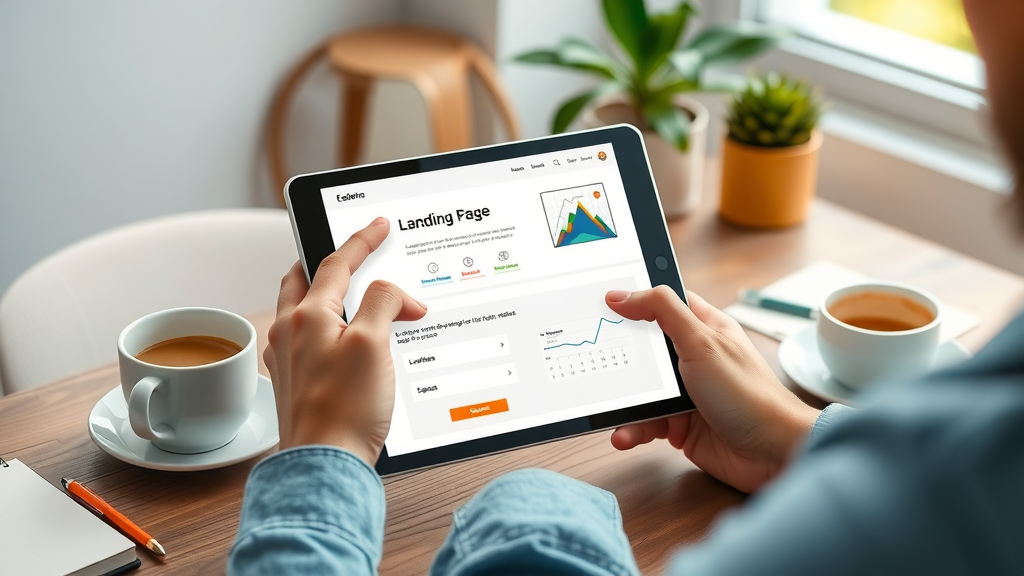
persuasive landing page design for conversion funnel optimization

A well-crafted landing page is the linchpin of any sales funnel. To maximize conversion rates , focus on clear and concise copy that speaks directly to your target audience ’s needs. Every landing page element—from compelling headlines to a distraction-free design—should nudge visitors toward a single desired action, whether it’s subscribing, requesting information, or completing a purchase.

  1. Design Principles: Use contrasting buttons for calls-to-action, strategically placed testimonials for social proof , and bullet points to highlight benefits. Minimize navigation to keep the user focused on your value proposition.
  2. A/B Testing: Continuously run experiments on your landing page layouts, headlines, images, and CTAs to determine which elements convert best. Even small changes can yield significant improvements in your conversion funnel efficiency.
  3. Reducing Friction: Common obstacles—like an overly complicated form or unclear next steps—should be eliminated. Overcome objections by providing trust signals, answers to frequently asked questions, and ensuring your landing page loads quickly on all devices, including mobile.

At the most critical stage of the funnel , it’s essential to address every concern and “what if” in the mind of your prospective customer. Provide guarantees, clear contact info, and distraction-free sign-up forms to encourage visitors to take action without hesitation.

Improving Conversion Rates: Data-Driven Tactics for Funnel Optimization

Tracking Key Metrics to Enhance Sales Funnel Performance

  • Essential KPIs for measuring sales funnel optimization
  • Techniques for analyzing funnel drop-off points
  • Continuous improvement through conversion rate optimization

The true power of funnel optimization comes from making decisions driven by data, not guesswork. By monitoring key performance indicators (KPIs) such as conversion rate , average order value, customer acquisition cost, and drop-off rates at each stage of the funnel , you’ll gain invaluable insights into where your funnel needs attention.

Use analytical tools to identify bottlenecks—points where prospects exit your conversion funnel before converting. Are visitors leaving on your landing pages, or are email sequences underperforming? Techniques such as heatmapping, session recordings, and segmentation analysis can reveal hidden friction and help you brainstorm solutions tailored to specific audience segments.

Continuous improvement is vital for staying ahead of competitors. Implement A/B tests, adjust messaging for underperforming funnel stages , and re-engage dropped leads through retargeting ads or personalized email marketing. Each tweak in your optimization strategy has the potential to improve your conversion trajectory, boosting both short-term results and long-term profitability.

The Role of Social Proof in Sales Funnel Optimization

How Reviews, Testimonials, and Case Studies Influence Every Funnel Stage

  • Why social proof matters for your sales funnel
  • Examples of effective use of social proof on landing pages
  • Integrating customer journey stories to build trust

social proof reviews testimonials impact on sales funnel

Social proof —like reviews, testimonials, and case studies—is a powerful trust signal that influences decisions at every stage of the sales funnel. In fact, seeing another potential customer become a happy, paying customer can often push prospects over the line, especially when they’re on the fence about making a purchase. Social proof counters skepticism, providing third-party validation and reassurance that your product or service delivers real results.

The most successful landing pages showcase star ratings, short testimonials, video case studies, and examples of customer journeys right next to CTAs. These elements draw on the human tendency to follow the crowd and seek assurance from peers, reducing hesitation and increasing conversion rates . If you want to improve your funnel optimization, make sure to sprinkle social proof throughout your content—from initial blog posts introducing your brand to checkout pages where the decision becomes immediate.

Don’t overlook the value of integrating customer journey stories directly into your email marketing sequences and post-purchase interactions. Hearing from real people who had the same concerns, went through the same journey, and found positive solutions with your offering builds a narrative of trust and success, encouraging your new leads to convert and loyal buyers to become advocates.

Optimizing Each Sales Funnel Stage for Higher Conversion Rates

  • Pinpointing bottlenecks in your conversion funnel
  • Tactics for increasing conversions at key funnel stages
  • Personalization and segmentation for targeted funnel optimization

analyzing funnel optimization bottlenecks and increasing conversions

To achieve higher conversion rates across your entire marketing funnel, you must systematically address each step where prospects get stuck or drop off. Start by using analytics to pinpoint bottlenecks —these might occur on landing pages with unclear CTAs, during payment processes with too many steps, or in nurturing sequences that don’t adequately address the prospect’s unique pain point.

Once bottlenecks are identified, focus on tactics to boost conversions . These might include adding countdown timers to landing pages to create urgency, streamlining mobile checkouts, or offering multiple payment options to reduce friction. Personalization and segmentation, powered by CRM data, allow you to target content and offers based on where your prospective customer is in the funnel—resulting in more meaningful interactions and higher likelihood of a conversion.

Advanced marketers constantly iterate on their funnel optimization , using feedback loops and testing to adapt strategies to evolving behaviors. By personalizing each touchpoint, you create a more relevant experience, ensuring every stage—from awareness to post-purchase—delivers exactly what your potential customers need to take the next step.

Frequently Overlooked Elements in Funnel Optimization

  • Micro-conversions and user engagement cues
  • Retargeting and nurturing for long-term success

A common mistake is focusing only on macro-conversions (major milestones like a purchase) while ignoring micro-conversions, such as email sign-ups, downloading a whitepaper, or engaging with a key blog post. Tracking these smaller actions gives you crucial insights into which parts of your marketing funnel are creating engagement and which need enhancement.

Retargeting is another essential tactic—remarketing to users who have visited your site but didn’t convert strengthens your brand’s visibility and keeps you top-of-mind for when the potential customer is ready to buy. Nurturing leads with helpful follow-ups, educational content, and special offers ensures your conversion funnel generates sales not just today, but for the long-term.

Measuring Success: Analyzing the ROI of Your Sales Funnel Optimization Efforts

Effective Tools and Reports for Assessing Funnel Performance

  • Google Analytics for conversion funnel insights
  • CRM integrations to track customer journey progress
  • Dashboards for real-time conversion rate optimization

sales funnel optimization metrics in analytics dashboard

To truly know if your funnel optimization is working, you need more than intuition—you need accurate, actionable data. Google Analytics is invaluable for mapping the steps prospects take before making a purchase, highlighting both high-performing content and drop-off points. To go deeper, CRM integrations enable you to track the full customer journey , collecting data from the first interaction to the last purchase or advocacy action taken.

Centralized dashboards that show real-time metrics (including lead-to-customer conversion rates , sales cycle length, repeat purchase ratio, and customer lifetime value) allow you to spot issues as they emerge and respond quickly. Combine quantitative reports with qualitative feedback from customer surveys or interviews for a comprehensive view of how well your conversion funnel is performing.

Sample Sales Funnel Metrics: From Leads to Revenue
Funnel Stage Metric Definition
Awareness Impressions, CTR Number of times content is seen and clicked
Interest Engagement Rate Comments, shares, or time spent on blog posts
Decision Landing Page Conversion Rate % of visitors who fill out a form or request info
Action Purchase Rate % of leads making a purchase
Loyalty Repeat Purchase Rate % of customers who buy again

Expert Tips for Advanced Funnel Optimization

  • Implementing automation for sustained funnel growth
  • Integrating omnichannel marketing strategies
  • Using AI and predictive analytics in sales funnels

AI-powered sales funnel predictive analytics and automation

To ascend to the next level of sales funnel optimization , embrace automation and technology. Automated follow-up emails, lead scoring, and lead nurturing systems ensure no prospect falls through the cracks, especially in complex or long-cycle B2B funnels. This streamlines the journey from initial interest to making a purchase, all while personalizing communication for every segment.

Omnichannel marketing combines social media, email marketing, SMS, and in-app messaging to reach your audience wherever they are. Consistent messaging and persistent engagement across platforms reinforce your brand and increase the odds of moving a potential customer through every funnel stage successfully.

Finally, AI and predictive analytics unlock powerful insights into future buyer behavior. By uncovering patterns in conversion data, these tools help you forecast sales, prioritize high-quality leads, and optimize your funnel in real time, turning data into a tangible competitive advantage.

"A refined marketing funnel turns insights into action and action into revenue." – Digital Strategy Consultant

Best Practices for Sales Funnel Optimization in Today’s Digital Market

  • The importance of adapting to evolving customer behaviors
  • Continuous learning and adjustment of the conversion funnel
  • Real-world case studies of sales funnel optimization success

In today’s fast-changing digital landscape, sales funnel optimization is never a set-and-forget exercise. Customer expectations shift constantly—new touchpoints emerge, behaviors evolve, and what worked yesterday may underperform tomorrow. The best-performing brands continually study emerging trends, seek feedback, and remain agile, adjusting their conversion funnel for maximum impact.

Success stories abound: companies that improved their landing page conversion rate through more focused copy, e-commerce retailers that used retargeting to re-capture 30% more buyers, or SaaS businesses that doubled trial-to-paying customer rates by segmenting and tailoring welcome emails. These case studies prove that continuous learning and adjustment is the real secret to lasting funnel optimization success.

Essential Tools for Sales Funnel and Conversion Funnel Optimization

  • Top-rated funnel optimization software options
  • Choosing landing page builders for every stage of the funnel
  • Social media integration tools for modern marketing funnels

top marketing funnel optimization and landing page builder tools

Arming yourself with the right tools can accelerate your funnel optimization efforts tremendously. Leading options for funnel optimization software include HubSpot, ClickFunnels, and Unbounce, each offering robust analytics, landing page builders, and automation workflows. When selecting a builder, prioritize platforms that support A/B testing, responsive design, and easy integration with your CRM and email marketing systems.

For engaging your audience at the awareness stage , tools like Buffer, Hootsuite, and Sprout Social enable you to coordinate social media content and track engagement. Seamlessly linking your website, landing pages, and social ads through these platforms ensures that every stage of the funnel is optimized for your next high-value customer.

The Future of Sales Funnel Optimization: Trends to Watch

  • Personalized experiences at every sales funnel stage
  • AI-driven customer journey mapping
  • Sustainability and ethical funnel optimization considerations

The future of sales funnel optimization is unmistakably personalized and tech-driven. Prospects expect messaging tailored to their behaviors, interests, and channel preferences—automation and AI will become ever more effective at predicting and delivering these individualized experiences.

AI-driven customer journey mapping enables hyper-precise segmentation and proactive content recommendations, unlocking new ways to anticipate and answer potential customer needs. But as data and personalization advance, so do expectations for privacy and ethical use. Sustainability—both in your marketing approach and your product’s footprint—will play a growing role in how customers choose brands at every funnel stage .

Answering Key Questions About Sales Funnel Optimization

What is sales funnel optimization?

  • Sales funnel optimization refers to the systematic process of improving each stage of your sales funnel to increase conversion rates and revenue, ensuring more prospects become paying customers effectively and efficiently.

What are the 5 stages of the sales funnel?

  • The five fundamental stages are Awareness, Interest, Decision, Action, and Loyalty—each representing a critical phase in the customer's journey from discovery to becoming an advocate.

What is the sales funnel technique?

  • The sales funnel technique involves guiding prospects through a series of targeted steps with curated content and offers—starting from attracting attention, nurturing interest, influencing decisions, encouraging action, and fostering loyalty.

What is the top of the funnel optimization?

  • Top of the funnel optimization focuses on increasing brand awareness, attracting the right audience, and engaging potential leads at the initial stages with content, social media, and effective landing pages.

Practical Action Steps for Reinventing Your Sales Funnel Optimization

  1. Audit your current conversion funnel with key performance metrics.
  2. Redesign landing pages for clarity and persuasion.
  3. Leverage social media to attract and nurture leads.
  4. Deploy A/B tests at each funnel stage for continuous improvement.
  5. Implement automation to nurture leads through the customer journey.
  6. Use analytics to track conversion rates and optimize future campaigns.
"Optimization is an ongoing commitment, not a one-time effort. Every tweak brings measurable results." – Funnel Growth Specialist

Common Sales Funnel Optimization Mistakes (and How to Avoid Them)

  • Ignoring non-linear customer journeys
  • Neglecting mobile and responsive landing pages
  • Underestimating the power of social proof
  • Overlooking funnel optimization at each stage

sales funnel optimization mistakes and troubleshooting errors

All too often, businesses underestimate the complexity of today's customer journey . Buyers jump channels, compare options, and expect flawless mobile experiences. Failing to address these pain points —such as neglecting mobile optimization, ignoring non-linear customer journeys, or overlooking the key influence of social proof —leads to lost sales and underwhelming results.

Don’t assume improvement ends at a redesigned landing page. Continuous funnel optimization —backed by regular data reviews and fresh thinking—ensures you stay ahead at every step, from awareness stage interest to the final act of advocacy.

Frequently Asked Questions on Sales Funnel Optimization

  • How often should I audit my sales funnel for optimization? It’s best to review and audit your sales funnel quarterly, or anytime you see a significant drop in conversion rates . Consistent reviews help you catch bottlenecks and seize new growth opportunities.
  • What are essential metrics for tracking funnel optimization success? Key metrics include conversion rate, bounce rate, lead-to-customer ratio, cost per acquisition , and average order value at each funnel stage.
  • Can funnel optimization work for B2B and B2C industries? Absolutely. While the customer journey and decision timelines may vary, both B2B and B2C brands can benefit from optimizing every stage of the funnel for better results.
  • When do I need to redesign my landing page for conversion funnel improvements? Redesign your landing page if you notice declining conversions, feedback about clarity or usability, or major shifts in your target audience or value proposition.
  • What is the ROI timeline for effective sales funnel optimization? Most businesses start to see measurable results within 4-8 weeks of implementing systematic funnel optimization, with gains compounding as you continue testing and refining.

Maximize Your Revenue With Expert Sales Funnel Optimization Today

  • Ready to transform your sales funnel into a high-conversion asset? Start implementing these advanced sales funnel optimization strategies to see measurable results in your revenue—don’t wait, take action now!

Take action now—audit, optimize, automate, and innovate your sales funnel. Every improvement is a step closer to maximizing your revenue and turning prospects into lifelong customers.


Traffic

Write A Comment

*
*
Related Posts All Posts
06.13.2025

Lead generation strategies You Can't Ignore in 2024

Did you know: Over 61% of marketers say that generating quality leads is their biggest challenge, yet those who use modern, strategic lead generation strategies are three times more likely to outpace their competitors and drive higher revenue growth. In today's fast-evolving marketplace, standing still is falling behind. If you're ready to supercharge your business and leave outdated lead gen tactics behind, this comprehensive guide is your blueprint for transformation in 2024. Unlocking Unparalleled Growth: Why Strategic Lead Generation Strategies Matter in 2024 No matter your industry, lead generation strategies are the engine of sustainable business growth. In 2024, buyers are savvier and more connected than ever before, making traditional outbound efforts less effective. Instead, businesses must leverage a combination of omnichannel approaches, high-performing content, and advanced targeting to reach and convert their target audience . Strategic planning empowers you to generate leads that are more likely to become quality leads —the kind that move smoothly through your sales funnel and boost overall ROI. A perfect example: Companies using personalized lead generation strategies have seen up to 50% more quality leads than those relying solely on cold outreach. Real-world data shows that modern lead generation tactics —from data-driven content marketing to social selling and smart landing pages—can create an immediate competitive edge. Updated strategies are not just a best practice; they are a necessity for businesses that aim to grow faster, nurture customer loyalty, and consistently outperform rival brands. "Over 61% of marketers cite lead generation as their biggest challenge—yet companies using modern lead generation strategies are 3x more likely to see higher revenue growth." The explosive impact of updated lead generation strategies for any business Real-world example: Generating 50% more quality leads with personalized tactics Immediate opportunities to outpace competitors with innovative generation strategies Maximize Your Results: What You’ll Gain from Mastering Lead Generation Strategies After this guide, you'll be able to spot the most effective lead generation strategies for your unique business. You’ll be tapped into emerging generation tactics that are driving results for both B2B and B2C leaders. From practical, actionable steps for your sales team to time-tested tips for building a robust lead pipeline, this article equips you for measurable success. You’ll also understand how to turn a trickle of site visitors into a stream of quality leads , nurture and qualify potential customers, and ready your business for ongoing growth. Identify the most effective lead generation strategies for your business Understand new and emerging generation tactics driving B2B and B2C success Learn practical approaches to generate leads and build a quality pipeline Equip your sales team with actionable steps to nurture and convert leads Comprehensive Overview of Modern Lead Generation Strategies Top Lead Gen Methods for 2024 As your target audience becomes more discerning, it’s critical to mix and match effective lead generation strategies that match their needs and behaviors. Among the top tactics: Content marketing – engaging blog posts and resources to educate potential customers Social media – building buzz and relationships across platforms Landing pages – converting visitors with targeted messaging and lead capture forms Email marketing – nurturing relationships at scale Sales team outreach – personal, direct connections, especially powerful for B2B Generation Strategies Effectiveness Best for Content Marketing High Educating potential customers Social Media High Engaging target audiences Landing Pages Medium-High Capturing contact info Email Marketing High Nurturing leads Sales Team Outreach Medium B2B relationships Powering Results: Using Quality Content and Blog Posts for Effective Lead Generation Content Marketing and Blog Posts: Essential Generation Strategies Content marketing stands as one of the most powerful lead generation strategies today, largely due to its ability to provide information, build trust, and attract potential customers at every stage of the sales funnel. Well-structured blog posts not only educate, but also position your brand as an authority—helping to attract traffic from search engines and nurture leads from awareness to action. Integrating high-value content with targeted keywords gives you a consistent competitive edge and drives quality leads straight to your sales team. Leveraging blog posts for your lead gen efforts means consistently addressing your target audience 's pain points, answering their questions, and offering solutions related to your product or service. With search engine optimization and strategic internal linking, your content marketing strategy becomes a lead generation engine. For example, a B2B company that launched a blog-driven campaign converted visitors to leads at over twice the previous rate, simply by aligning content topics to audience needs and integrating powerful calls to action. How blog posts drive lead gen and support sales team efforts Integrating SEO and search engines for targeted reach Case study: Blog-driven campaigns that generate leads Landing Pages and Lead Capture: Converting Visitors into Quality Leads The Anatomy of a High-Performing Landing Page for Lead Generation A well-optimized landing page is a linchpin of every modern lead generation strategy . It acts as the digital front door for your potential customers , providing a clear and valuable offer. Effective landing pages combine persuasive copy, compelling visuals, and a user-friendly lead capture form that gathers contact info without friction—maximizing the number of quality leads entering your sales funnel . Best practices for landing page optimization include a clean design, a single powerful call-to-action, and social proof elements like testimonials or customer counts. To improve conversion rate, minimize distractions, keep forms brief, and offer immediate value (such as an exclusive e-book or webinar). Businesses report an average 20-30% lift in conversion rates when these elements are executed well. Regular testing—A/B or multivariate—ensures you learn what resonates with your specific target audience . Best practices for landing page optimization Effective lead capture forms to gather contact info Design tips for maximizing conversion ratios Real-world video walkthrough: Building and testing compelling landing pages Social Media Strategies: Expanding Reach and Engaging Your Target Audience Social Media Platforms and Lead Gen: What Works Best Now Social media is now essential in any lead generation strategy , enabling businesses to reach, connect, and convert their target audience in real-time. Platforms like LinkedIn excel for B2B lead gen, while Facebook and Instagram provide massive opportunities to attract B2C potential customers . Success is driven by understanding each channel’s unique dynamics and tailoring your generation tactics —from informative posts and stories to lead gen ads and community polls—accordingly. A video demonstration or live case study can help sales and marketing teams grasp the nuances of social media-based lead generation. By monitoring engagement rates, tracking which content types work best, and actively participating in conversations, you position your brand as approachable and credible, making it easier for prospects to enter your funnel. Leveraging LinkedIn, Facebook, and Instagram for lead generation How to develop generation tactics tailored to each channel Video demonstration: Social lead generation strategies in action Engaging and Qualifying Potential Customers on Social Channels To make the most of social media for lead gen , building community and authentic engagement should be your top priority. High-performing campaigns use interactive content—such as polls, quizzes, and live streams—to start conversations with potential customers and qualify interest before the sales team gets involved. These interactions filter your audience, providing invaluable insights for crafting stronger offers and follow-up messaging. Measuring the impact of your social campaigns requires focus on key metrics: new followers, direct messages, content shares, and, most importantly, the number and quality of leads captured. By testing different content formats and closely watching which posts spark the most interaction, you continually refine your strategy and maximize your quality leads output. Community building and engagement Content types that attract and convert potential customers Metrics for measuring quality leads from social campaigns Lead Magnets and Free Trials: Irresistible Offers to Generate Leads Designing Lead Magnets for Maximum Impact No list of lead generation strategies is complete without lead magnets —tangible offers that motivate visitors to exchange their contact info. Great magnets include e-books, checklists, templates, mini-courses, and exclusive webinars. These resources help position your brand as a problem-solver, immediately building trust and jumpstarting the conversation with potential customers . The impact of an irresistible lead magnet is clear: businesses using personalized, high-value magnets have reported conversion lifts of up to 40%. For example, a SaaS provider offering a free toolkit as a lead magnet outperformed standard sign-up forms, funneling hundreds of new leads to their sales team each month. Types of lead magnets: E-books, checklists, webinars, and more How lead magnets increase generation strategy success Case study: Lead magnet conversion boosts Offering Free Trials to Attract and Convert Qualified Leads Free trials are another tried-and-true tool for lead generation , especially for SaaS and service businesses. By allowing potential customers to experience your product or service firsthand, you build trust and let users see its value before making a commitment. The most effective free trials are short, feature-rich, and paired with proactive support to boost conversions at trial’s end. To gauge lead quality from trial users, monitor engagement and usage metrics during the trial period. Many companies use scoring systems and trigger-based follow-ups—smart generation tactics that help sales teams focus their efforts on leads most likely to convert. Structuring free trials to maximize engagement Measuring lead quality from trial users Optimizing Email Marketing for Consistent and Effective Lead Generation Building Nurture Sequences that Convert Well-crafted email marketing remains central to lead generation strategies in 2024. Nurture sequences—automated, personalized flows that guide leads to a buying decision—ensure no opportunity slips through the cracks. By sending the right message at the right time, you keep your brand top of mind and build relationships with quality leads over time. Best practices for effective email marketing include tailoring content to each subscriber’s interests, using automation workflows to save time, and regularly updating your messaging based on audience feedback and analytics. These practices ensure you consistently generate leads and warm up even the coldest of prospects. Personalized email content for quality leads Best practices: Automated workflows in lead gen Segmenting Your Target Audience for Superior Results Segmentation allows you to deliver hyper-relevant content that resonates with each segment of your target audience . By sorting leads based on engagement, demographics, purchase history, and behavioral signals, you dramatically increase the efficacy of your generation strategy —and, as a result, your conversion rate. Advanced businesses use segmentation tools to automatically group leads and trigger specific actions. Whether by engagement (opened vs. unopened emails), demographics (industry or role), or interests (resource downloads), these methods deliver the right offer to the right person at the right moment. Ways to segment by engagement, demographics, and interests Increasing effective lead gen through audience insights Activating Your Sales Team: Integrated Generation Strategies for Higher Closing Rates Enabling Sales Teams with Actionable Qualified Lead Data A successful lead generation strategy bridges marketing and sales for a seamless flow from first contact to closed deal. When marketers provide sales teams with qualified, actionable lead data—like behavioral triggers or content interactions—the sales team spends less time chasing cold prospects and more time closing quality leads . Empower your sales team by offering training in nurturing techniques and regular updates on evolving generation strategies . Regular collaboration between departments ensures leads aren’t lost in transition and results in more effective lead nurturing at every stage of the funnel. Connecting marketing and sales for seamless lead transfer Training sales to effectively nurture and close quality leads Advanced Generation Tactics: Automation, Retargeting, and AI in Lead Gen Using Automation and AI for Smarter Lead Generation Strategies Today’s top-performing lead generation strategies harness the power of AI, automation, and real-time retargeting to outperform traditional manual processes. AI-driven personalization tailors content, recommendations, and outreach to each prospect—dramatically improving response rates and the overall quality of your potential customers . Marketing automation platforms now allow you to nurture, segment, and retarget leads at scale, while intelligent analytics help you double down on the tactics that show the most promise. These tools free up your sales team for high-impact conversations while ensuring that no potential customer is left unattended. AI-driven personalization Retargeting strategies and marketing automation tools Video example: Automation platform walkthrough Real-World Case Studies: Generation Strategies That Delivered Results Case Study Highlights: Innovative Tactics That Generated High-Quality Leads The proof lies in practice: Business A combined informative blog posts with optimized landing pages , doubling their conversion rate in just three months. Their secret? Laser-focused SEO content paired with compelling calls to action and seamless lead capture flows. Meanwhile, Business B’s investment in social media engagement tripled the number of potential customers in their pipeline within a single quarter. By launching interactive campaigns and engaging directly with followers, they highlighted the power of real-time digital relationships. Business A: Integration of blog posts and landing pages increases conversion rates Business B: Social media campaigns triple potential customers in the pipeline Measuring Success: Key Metrics and Continuous Improvement in Lead Generation KPIs for Lead Generation Strategies Tracking the right metrics is essential to refining your lead generation strategies . The most important KPIs include conversion rate (the percentage of visitors who become leads), cost-per-lead (the total spend divided by the number of leads generated), and an assessment of lead quality (did it turn into a closed sale?). These data points guide future investments and strategic shifts. Conversion rate, cost-per-lead, and lead quality assessment A/B Testing and Data-Driven Optimization Continuous improvement starts with A/B testing. By experimenting with different landing page designs, headlines, and CTAs, you reveal the most impactful tactics for your target audience . Analytics platforms enable you to drill into each step of the lead generation strategy , so you can double down on what works and cut what doesn’t. Improving landing pages, generation strategy, and campaigns via analytics Re-investing in top-performing generation tactics Feedback Loops with Sales Teams The tightest feedback loops between marketing and sales guarantee better lead gen performance. Regular debriefs reveal which lead sources deliver quality leads , which messaging prompted action, and where the process needs refining. By sharing insights across teams, companies adapt faster and continually raise their standard of lead generation . How sales insights refine the overall lead generation process Expert Insights: Quotes from Industry Leaders on Lead Generation Strategies "The future of lead gen is all about experience and relevance." – Jane D., Digital Strategy Analyst "Linking content, landing pages, and automation is the most powerful generation strategy today." – Michael K., CMO Comprehensive List of Actionable Lead Generation Strategies for 2024 Invest in content marketing and frequent blog posts Design compelling, fast-loading landing pages Harness social media for targeted lead gen Deploy lead magnets and free trials Optimize email marketing and nurture flows Leverage automation and AI for greater efficiency Foster marketing-sales collaboration for higher quality leads Test and optimize all generation tactics regularly People Also Ask What are the best lead generation strategies? The best lead generation strategies include content marketing, leveraging landing pages, social media campaigns, utilizing lead magnets, email marketing, and integrating automation platforms. These tactics work best when tailored to your target audience and continuously optimized based on performance data. What are the 4 L's of a lead generation strategy? The 4 L's are Lead Capture, Lead Magnet, Landing Page, and Lead Nurturing. Each plays a vital role in guiding potential customers through the lead gen process and converting them into quality leads. What are the 3 approaches of lead generation? The primary approaches include outbound lead generation (cold outreach, ads), inbound lead generation (content, SEO, blog posts), and partnership/referral generation strategies. Combining these approaches strengthens your overall generation tactics. Which are the 4 steps of the lead generation process? 1. Attract - Drawing in your target audience (via blog posts, SEO, social media) 2. Capture - Gathering contact info (landing page or lead magnet) 3. Qualify - Assessing potential customers for sales-readiness 4. Nurture - Engaging and converting leads using tailored content and sales team efforts Frequently Asked Questions on Lead Generation Strategies Q: How do I know which lead gen strategy to choose? A: Consider your business goals, target audience, and resource availability. Start with tactics where your audience is most active and iterate based on data. Q: How can sales teams and marketing teams work together better? A: Use shared CRM tools, align on lead definitions, and hold regular feedback sessions to optimize lead gen efforts. Key Takeaways for High-Impact Lead Generation Strategies in 2024 Invest in omni-channel generation strategies Continuously test, measure, and optimize Prioritize collaboration between marketing and your sales team Stay ahead with automation and AI advancements Never underestimate the power of personalized content and offers Harness the Full Potential of Lead Generation Strategies—Start Transforming Results Today Ready to elevate your lead generation strategies ? Assess your current tactics, benchmark against these proven approaches, and start implementing changes for measurable improvement. Take action to connect with more quality leads and achieve your sales goals. Visual Guide: Lead Generation Strategies in Action Watch our video demonstration as we break down real-world examples of successful lead gen campaigns, including step-by-step breakdowns of landing page optimization, social media engagement, and email nurture flow.

06.13.2025

B2B lead generation Secrets For Explosive Business Growth

Unlock the formula for rapid business expansion by mastering the art of B2B lead generation! In today’s hyper-competitive marketplace, B2B lead generation is more than just a numbers game—it’s the core engine behind explosive business growth. Whether you’re an established enterprise or a nimble startup, perfecting your lead pipeline can make the difference between stagnation and soaring success. Ready to uncover the industry secrets that top companies use to accelerate their sales and dominate their sectors? Read on for strategies, expert insights, and actionable tips you can put to work right now. Unlocking the Power of B2B Lead Generation for Rapid Business Expansion When it comes to scaling a business fast, few things are as vital as B2B lead generation . Unlike traditional marketing, which casts a wide net, B2B lead generation involves targeting key decision-makers in businesses that align with your ideal client profile. The real power lies not just in gathering leads, but in identifying high-quality, sales-ready opportunities that translate directly into revenue. For instance, a SaaS company looking to double its client base might deploy personalized content and integrated LinkedIn campaigns to reach CTOs in targeted industries. This targeted approach allows companies to streamline their sales funnel and build sustainable growth—faster than ever before. By leveraging data-driven insights and optimizing every stage of your lead funnel, you not only attract more leads but also sharpen your focus on prospects that best fit your business goals. Consider a real-life scenario where a B2B tech startup adopted account-based marketing, tailoring messaging to each prospect and landing enterprise contracts within months. The lesson? Effective B2B lead generation is the secret weapon behind growth that doesn't just happen—it explodes. What You'll Gain from Mastering B2B Lead Generation Proven B2B lead generation strategies tailored for scalable business growth Insider tactics to optimize each stage of your lead generation funnel Measurable techniques for qualifying and nurturing B2B leads Understanding the B2B Lead Generation Landscape To truly master B2B lead generation , it’s critical to understand the unique landscape in which it operates. While consumer-focused (B2C) strategies often prioritize volume and emotion, B2B marketing revolves around careful relationship-building and data-driven tactics. Companies that excel in this arena build systems that enable consistent lead sourcing, qualification, nurturing , and conversion. From identifying the right contact at a potential client to nurturing a relationship through personalized touchpoints, every stage is designed to create long-term partnerships, not just one-time sales. Navigating the B2B environment means contending with longer sales cycles, multiple stakeholders, and higher-value deals. For example, winning a contract with a Fortune 500 company might take months of both marketing and sales engagement, from lead generation to procurement. By understanding these nuances, businesses can adapt their strategies to secure more impactful connections and maximize growth potential. Defining B2B Lead Generation: Processes and Impact At its core, B2B lead generation is the process of attracting and converting other businesses into qualified leads—potential clients who express interest in your products or services. This process typically involves multiple steps: capturing prospects’ information through websites, forms, or events; qualifying them to ensure a good fit; and nurturing these leads with targeted content until they’re ready for a sales conversation. The true impact is felt in the pipeline—well-managed lead generation ensures that your sales team always has high-quality opportunities to work with, increasing efficiency and boosting conversion rates. Businesses that prioritize these processes invariably see a more reliable stream of revenue and stronger growth trajectories. Differentiating B2B Lead Generation from B2C Approaches While both B2B and B2C lead generation aim to attract interested prospects, their methods, audience, and outcomes differ significantly. In B2B, the purchasing process is consultative and relationship-driven, with buyers seeking solutions to complex organizational needs. Conversely, B2C is often transactional, targeting individual consumers who make quicker, emotion-driven purchases. Understanding these differences allows businesses to tailor their messaging, resources, and outreach tactics for maximum impact—ensuring that every lead generated is primed for a thoughtful, long-term engagement rather than a one-off deal. Aspect B2B Lead Generation B2C Lead Generation Target Audience Other businesses Individual consumers Sales Cycle Longer, relationship-focused Shorter, transaction-focused Decision Makers Multiple stakeholders Single or few buyers Top B2B Lead Generation Strategies for Explosive Growth The most successful organizations adopt a multi-channel approach that includes content marketing, social media outreach, and strategic partnerships. Targeted campaigns don’t just fill the funnel—they fill it with sales-qualified leads that have the highest likelihood of converting. Below, we explore leading tactics you can adopt right now to set your business on a path toward exponential growth. Each method is backed by real-world results and tailored for modern B2B decision-makers. Leveraging Content Marketing for B2B Lead Generation Content marketing is the lifeblood of any effective B2B lead generation strategy. By producing valuable and targeted resources—like whitepapers, case studies, and educational articles—you position your company as an industry leader. Not only does this attract organic traffic, but it also helps build authority and trust with prospects. For example, hosting webinars allows you to engage directly with high-value leads, answer real-time questions, and showcase your expertise. SEO-optimized blog posts, meanwhile, draw in prospects through search engines and nurture them until they’re sales-ready. Create in-depth whitepapers and case studies Host webinars and virtual events Utilize SEO-optimized blog posts When executed with a strategic mindset, content marketing does more than inform potential clients—it demonstrates value, solves real problems, and drastically shortens the sales cycle. This approach builds a steady stream of leads who are already educated about your solutions, making them far more likely to convert. Harnessing LinkedIn and Social Media Platforms Social platforms like LinkedIn have revolutionized B2B lead generation by turning networking into a scaled, measurable activity. Building a robust presence on these platforms allows companies to connect with key decision-makers, nurture relationships, and share industry insights that position your brand as a go-to resource. Crafting personalized outreach messages, participating in industry groups, and sharing relevant content increases your visibility and engagement. LinkedIn’s advanced targeting tools even let you tailor campaigns to reach specific job titles, industries, or companies. Don’t underestimate the power of other social channels, such as Twitter and Facebook, for B2B purposes. By closely monitoring engagement and analytics, you’ll be able to optimize messaging, maximize reach, and increase the quality of incoming leads. Social selling is no longer optional—it’s essential for modern B2B businesses looking to outperform the competition. Building Strategic Partnerships and Networking While digital tactics are essential, nothing can replace the impact of face-to-face networking and strategic partnerships. The most successful B2B companies cultivate alliances that provide warm introductions to high-value prospects, co-marketing opportunities, or access to new verticals. Attending industry events, joining professional associations, and partnering with complementary firms enable you to tap into established trust networks and accelerate deal cycles. "Effective B2B lead generation is not about buying leads; it's about building trust and relationships." When structured correctly, these partnerships are a shortcut to credibility in a crowded market. Always look for synergies where both parties bring value to the table and foster win-win relationships that fuel long-term business growth. Consistent networking not only boosts your pipeline but enhances your brand’s reputation across the industry. Optimizing the B2B Lead Generation Funnel Generating leads is just the start—the real magic happens when you optimize your lead generation funnel for maximum conversion. This demands a robust system for qualifying, scoring, and nurturing leads, seamlessly guiding them from the first touchpoint to a closed deal. By constantly refining these stages, you reduce churn, increase conversions, and keep your pipeline flowing with sales-ready opportunities. Qualifying and Scoring B2B Leads Not all leads are created equal. The success of your B2B lead generation efforts hinges on your ability to accurately qualify and score prospects. Lead qualification involves collecting information about each potential client (industry, company size, decision-making authority, budget) and determining how well they fit your ideal customer profile. Tools like lead scoring—assigning numerical values based on engagement, company data, and intent—help teams prioritize the best leads for nurturing by sales. For example, a manufacturing solutions provider might use a combination of website analytics, content engagement, and firmographic data to focus outreach on high-potential accounts. Strong qualification and scoring ensure your team spends time only where it delivers the greatest ROI, turning your funnel into a well-oiled machine. Nurturing Leads for Higher Conversion Rates Lead nurturing is an ongoing process that transforms initial interest into solid business outcomes. This means providing personalized, valuable content at each stage of the decision journey: captivating blog posts, insightful case studies, and tailored offers based on prospect behavior. Companies that automate their nurturing efforts with triggered email campaigns, retargeting ads, and scheduling follow-up calls see significantly higher conversion rates. Lead Stage Action Result Awareness Content marketing Education & interest Consideration Personalized outreach Trust-building Decision Sales engagement Conversion The key is to ensure that leads feel valued and understood at every touch. When done right, nurturing builds trust, addresses objections early, and drastically shortens the sales cycle—delivering higher revenue and lifetime value from every new relationship. Emerging Tools & Technologies in B2B Lead Generation Technology is evolving at a breakneck pace, and with it, the toolkit available to B2B marketers and sales teams. Companies that embrace automation, AI, and integrated CRM solutions find themselves consistently one step ahead of the competition. By leveraging cutting-edge tools to streamline outreach, personalize follow-ups, and track every interaction, organizations can scale lead generation efforts without sacrificing quality. Marketing Automation Solutions Modern marketing automation platforms have redefined the way businesses generate and nurture B2B leads. Whether it’s scheduling email campaigns, dynamically scoring leads based on behavior, or routing inbound inquiries directly to sales, automation ensures that no opportunity slips through the cracks. These systems empower teams to deliver the right message, at the right time, to the right person—consistently and efficiently. By centralizing workflows and integrating with analytics tools, businesses gain clear insights into which channels and campaigns are driving results. Automation isn’t just about saving time—it’s about enabling personalized, data-driven engagement at scale. CRM Integration for Seamless Lead Management A powerful CRM (Customer Relationship Management system) is the heart of a successful B2B lead generation engine. Integration ensures every lead’s journey—from the initial contact point through to close and beyond—is meticulously tracked and managed. Seamless CRM setups enable sales and marketing to collaborate, share data in real time, and ensure no lead is lost between the cracks. By consolidating lead information, sales histories, and touchpoints, CRMs empower your team to tailor follow-up communication and nurture relationships more effectively. Modern platforms even incorporate AI to suggest next best actions, further enhancing team productivity and lead ROI. Expert Tips and Common Mistakes in B2B Lead Generation Even seasoned professionals can overlook simple missteps that undermine B2B lead generation efforts. The difference between campaigns that fizzle and those that soar often comes down to a handful of best practices and avoidable pitfalls. Consistently reviewing, testing, and refining your approach is critical for sustainable, long-term success. Actionable Dos and Don’ts for Sustainable Growth Adopt these proven tactics to keep your B2B lead generation efforts on the fast track—and avoid the hidden traps that derail progress. Do: Focus on value-driven outreach Do: Measure and refine campaigns regularly Don’t: Neglect post-lead nurturing activities Always prioritize building real value for your prospects, whether through educational content or attentive post-sale follow-ups. Constantly tweak your campaigns in response to data, and remember that the journey doesn’t end at the first conversion—ongoing nurturing and support create lifetime customers and referral pipelines. People Also Ask What is the most effective B2B lead generation strategy? The most effective B2B lead generation strategy combines targeted content marketing and LinkedIn outreach. This approach leverages valuable resources—like webinars and whitepapers—to attract decision-makers, then uses personalized LinkedIn messaging to nurture relationships. Businesses that blend these tactics see higher-quality leads and faster sales cycles while building authority in their industries. How do I qualify B2B leads more effectively? To qualify B2B leads effectively, implement a standardized process that includes collecting firmographic data, tracking digital engagement (like website visits and content downloads), and scoring leads based on fit and intent. Integrating marketing automation and CRM tools ensures your team can quickly prioritize leads that are most likely to convert, maximizing your resources and ROI. What are the best tools for B2B lead generation in 2024? Top tools for B2B lead generation in 2024 include marketing automation platforms like HubSpot and Marketo, advanced CRM systems like Salesforce and Zoho CRM, and AI-powered prospecting tools such as Apollo.io and LinkedIn Sales Navigator. These solutions streamline lead capture, nurturing, scoring, and handoff to sales, giving businesses a competitive edge in securing high-value opportunities. Frequently Asked Questions About B2B Lead Generation How long does it take to see results from B2B lead generation? Typical results from B2B lead generation initiatives can be seen within 3–6 months, though some strategies may deliver quicker wins. The timeline depends on your target market, sales cycle, and the maturity of your lead generation systems. Regular measurement and optimization accelerate success. What is the difference between outbound and inbound lead generation in B2B? Outbound lead generation proactively targets potential clients using methods like cold emailing and calls, while inbound focuses on attracting leads with valuable content such as blogs and webinars. Effective B2B strategies often combine both to maximize outreach and engagement. How can I measure B2B lead generation ROI? Measure ROI by tracking key metrics such as lead volume, conversion rates, deal value, and sales cycle length. Use integrated analytics tools within your marketing automation or CRM platform to connect lead generation activities to closed deals and revenue growth. Final Insights on B2B Lead Generation for Explosive Business Growth Act now: Start by auditing your current lead generation processes, invest in the latest tools, prioritize relationship-building, and commit to ongoing optimization—so your business achieves explosive, sustainable growth.

06.13.2025

Lead generation tactics That Skyrocket Your Client List

Did you know? Companies using effective lead generation tactics achieve 50% more sales at 33% lower cost. In today’s hyper-competitive world, mastering the right lead generation strategies determines if your client list soars or stagnates. Read on for advanced, practical tactics that fuel sustainable growth and set your business apart. Why Lead Generation Tactics Matter: The Surprising Numbers Behind Growth In an era where competition is fierce and attention spans are fleeting, lead generation tactics have become the backbone of successful businesses. Organizations with robust strategies do more than just generate leads—they consistently outperform their competitors by converting more prospects into qualified clients. According to industry studies, companies that excel in lead gen can realize a 50% increase in sales while reducing spend by one-third. These numbers aren’t just impressive—they’re transformative. They illustrate that every dollar and effort invested in optimizing your generation strategies can mean the difference between rapid growth and being left behind. By focusing on tactics that yield quality leads , businesses empower their sales team to spend less time chasing unqualified prospects and more time closing deals. The result isn’t just more leads—it’s better leads that are ready for your sales team to convert into loyal clients. Invest in proven lead generation tactics , and you unlock the potential for exponential expansion of your client list and your bottom line. Unlocking Your Potential: What You Can Achieve with the Right Lead Generation Tactics Understand the best lead generation tactics tailored to your business Evaluate top performing lead generation strategies in today’s evolving market Optimize your sales team’s performance with next-level lead gen insights Learn to generate lead and convert quality leads efficiently Master landing page, blog post, and social media techniques for higher conversion Defining Lead Generation Tactics: Setting Clear Objectives What Are Lead Generation Tactics in Today’s Market? At their core, lead generation tactics are structured actions businesses take to attract, engage, and convert potential customers into prospects—and ultimately, into paying clients. In today’s digital marketplace, this encompasses a wide blend of online strategies: from SEO-driven content marketing to precisely optimized landing pages and tactical lead capture forms. Effective lead gen doesn’t just mean bringing in any lead, but rather focusing on quality leads —those who are actually interested in your product or service , and who are more likely to become devoted clients. The intersection of lead generation strategy , data-driven generation process, and building relationships enables businesses to refine their marketing outreach. This ensures each generation strategy attracts the right target audience , positions your brand ahead of competitors, and creates a solid foundation for your sales funnel . In short, strategic lead generation is essential for constructing a robust and scalable client list in 2024 and beyond. How Lead Generation Tactics Determine Sales Team Success Your sales team success hinges on more than just the number of leads—it’s about their quality, their stage in the sales funnel , and how well you nurture these prospects. Effective lead generation tactics equip sales professionals to prioritize and engage leads most likely to convert, maximizing efficiency and performance. By focusing on the best generation strategies , you ensure that your team spends time following up with those who are genuinely interested, greatly boosting close rates and revenue. Moreover, syncing your tactics with sales processes creates a seamless transition from marketing to sales, allowing your team to generate leads consistently while maintaining the agility to nurture qualified leads . When lead generation and sales teams align, both customer satisfaction and business growth benefit—and client lists truly skyrocket. The Core Lead Generation Process Explained Step-by-Step Breakdown of the Modern Lead Generation Process Stage Description Awareness Attracting the target audience with quality content and a strong landing page Interest Engaging visitors via lead capture, social media, and blog posts Consideration Nurturing leads using email marketing and focused lead generation strategies Conversion Turning potential leads into qualified clients with high-performing sales team actions Every successful lead generation process follows these essential steps, each purpose-built to support continuous lead gen and drive conversions. First, creating brand awareness draws in your target audience using compelling content and perfectly crafted landing pages . Next, businesses foster interest via engaging offers and lead capture forms, frequently promoted across social networks and in informative blog posts . During the consideration stage, effective email marketing and personalized messaging help maintain momentum, nurturing leads until they’re ready to act. Finally, the conversion stage leverages a well-trained sales team to transform warm prospects into loyal clients, ensuring your generation strategies deliver real business results. Understanding the Top Lead Generation Strategies in 2024 Exploring Next-Level Generation Strategies for Your Sales Funnel The landscape for lead generation strategies continues to evolve, demanding businesses deploy innovative methods to fill their sales funnel with qualified leads . Top strategies for 2024 include advanced search engine optimization (SEO) that ensures your content is visible to intent-driven prospects, as well as smartly designed landing pages that make conversion effortless. Pairing these with high-value content marketing—such as blog post guides, webinars, and gated downloads—turns casual visitors into eager prospects. The beauty of these modern approaches lies in their scalability and adaptability. Businesses that regularly test and fine-tune their generation strategy witness consistent improvements in lead quality, volume, and return on investment. The right blend of SEO, landing pages, and content marketing arms your sales team with a steady stream of leads ready to move through the funnel. Building a Powerful Lead Gen Machine: Tools and Automation Essential lead generation tools for efficiency How automation improves the generation process Real case study: Automated lead capture success story Leveraging the best lead generation tool for your team revolutionizes your business efficiency. Marketing automation platforms, CRM systems with integrated lead capture , and AI-powered chatbots can instantly qualify, segment, and nurture prospects—saving countless hours for your sales team. Automation ensures every visitor is engaged promptly, forms are followed up on, and no potential lead slips through the cracks. Automation doesn’t just streamline processes; it also amplifies the impact of your generation process by maintaining a consistent client experience and improving your conversion rate . A case in point: businesses that incorporated automated lead gen tools reported up to a 30% lift in qualified leads and a significant reduction in time-to-close. Crafting Irresistible Landing Pages That Convert Key Elements of a High-Impact Landing Page A high-performing landing page is among the most powerful weapons in your lead generation strategy . The anatomy of a winning page includes clear, benefit-driven headlines, persuasive copy that speaks to your target audience , compelling visuals, and bold calls to action. Adding trust signals like testimonials or case studies, alongside strategically placed lead capture forms, increases both quantity and quality of generate leads . User experience is non-negotiable—a frictionless layout with intuitive navigation encourages visitors to share their contact information without hesitation. The best performing landing pages continually test copy, design, and offers, adapting quickly to audience behavior for optimal conversion rate . Don't overlook mobile responsiveness; with more potential customers browsing on the go, every element must work seamlessly across devices if you want to skyrocket your client list . Video: How to Create a Lead Generation Landing Page Lead Capture Tactics to Maximize Every Visitor Lead Generation Tactics for Effective Lead Capture Forms Optimized lead capture forms are the gateway to growing your client list . The key is simplicity—just enough fields to qualify a lead (think name, email, and a qualifying question) without deterring completion. Strengthen form copy with psychological triggers like exclusivity ("Get Early Access"), urgency ("Limited Spots"), or social proof ("Join 10,000+ Subscribers") to increase conversion rates. Placement is crucial—embed forms on high-traffic pages, in pop-ups, or even within related blog posts or guides for maximum exposure. Behind the scenes, automated validation and CRM integration ensure every submission is swiftly followed up by your sales team . Consistent analysis and A/B testing of form length, color, call-to-action, and even lead gen incentives guarantee you’re not missing opportunities to generate lead after precious lead. The Art of Nurturing Qualified Leads Capturing leads is only the beginning—true success in lead generation tactics is realized by nurturing those leads into qualified clients . Smart segmentation divides your audience based on demographics, behavior, or interests, enabling highly personalized communication that resonates on an individual level. Use multichannel outreach—email marketing, targeted retargeting ads, and SMS reminders—to maintain engagement. Personalized messaging builds rapport and trust, gently guiding leads through the consideration stage of the sales funnel . By mapping out automated nurture sequences and measuring engagement, you ensure every prospect receives tailored value at the perfect time, setting the stage for seamless conversions. Harnessing Social Media for Explosive Lead Generation Lead Generation Tactics Using Social Media Platforms Social media remains a powerhouse for scalable lead gen . Platforms like LinkedIn, Facebook, Instagram, and X enable businesses to reach massive audiences with precision. Using sponsored content, targeted ads, and influencer partnerships, you can place enticing offers directly in front of your ideal prospects. The secret? Leverage platform-specific content types—thought leadership on LinkedIn, Reels and Stories on Instagram, quick videos on X—to capture interest and facilitate lead capture. Encouraging user-generated content, running contests, and interactive quizzes not only amplify engagement but also feed high-intent leads into your CRM. Smart social media marketing lets you nurture cold prospects with automated follow-ups, transforming them into qualified leads ready for your sales team to close. Leveraging Content: Blog Posts, Case Studies, and Resources Lead Generation via Strategic Blog Posts and Content Offers Value-packed blog post content is a cornerstone of effective lead generation . By educating, informing, and solving the pain points of your target audience , you not only build trust but also create opportunities for strategic lead capture. Incorporate CTAs—like downloadable ebooks, free consultations, or webinars—within your blog posts to swiftly move visitors into your sales funnel . Well-placed case studies, whitepapers, and expert resources further demonstrate your authority, nudging interested prospects to submit contact info for premium content. This content-driven approach yields a continuous stream of qualified leads , powering a sustainable growth engine for your brand. How to Repurpose Blog Content for Improved Lead Generation Turn blog posts into downloadable lead magnets Create video explainers from high-performing posts Design infographics and resource guides to drive lead capture Repurposing high-performing blog posts multiplies their impact. Transform guides into engaging infographics, develop explainer videos, or compile a series into a comprehensive resource guide. These diverse formats expand your content's reach and touch new audiences, feeding more qualified leads into your pipeline. Email Marketing and Beyond: Building Relationships that Convert Crafting Lead Nurturing Email Sequences Dynamic email marketing sequences walk your prospects through every step of the lead generation process . By segmenting audiences according to engagement, pain points, or position in the sales funnel , you can deliver highly relevant messages that maintain interest without being intrusive. Timing matters—deliver educational content initially, transition to testimonials and case studies, and wrap up with a compelling offer tied to the recipient’s specific needs. Consistently personalized email cadences foster a sense of connection, build authority, and enhance your conversion rate . Use automation to trigger follow-up emails based on user action so no one falls through the cracks. It’s relationship-driven marketing that makes your lead gen funnel virtually unbreakable. Video: Setting Up an Email Nurture Sequence from Scratch The Role of Your Sales Team in Effective Lead Generation Tactics Aligning Sales Team Goals with Generation Strategy For lead generation tactics to produce results, your sales team must be in lockstep with your overall generation strategy . Train your team to recognize lead intent, personalize their outreach, and follow a systematic process for qualifying and converting prospects. Regular alignment meetings between marketing and sales ensure consistent messaging, smooth handoffs, and superior lead nurturing. Equip your team with clear metrics, real-time analytics, and pre-approved messaging templates so they can generate leads , build relationships, and close deals with speed and confidence. Unified sales and marketing operations not only drive client acquisition but also ensure every lead gets the attention needed to become a satisfied customer. Measuring Success: Key Lead Gen Metrics and KPIs How to Track and Improve Lead Generation Performance Lead conversion rates Cost per lead Quality leads versus total leads Sales team response time Metric Name Definition Why It Matters Conversion Rate The percentage of leads that become paying clients Shows how effective your lead gen and sales tactics are Cost Per Lead (CPL) Total spend divided by the number of leads generated Helps optimize budget allocation for maximum ROI Lead Quality Score A metric assigning value to each lead based on likelihood to buy Improves the focus of your sales team and resource allocation Response Time The time between lead submission and sales contact Faster responses lead to higher conversion rates and client satisfaction Overcoming Common Lead Generation Challenges Identifying and Solving Lead Generation Bottlenecks Low lead quality and how to address it Lead capture form abandonment Slow sales team follow-up Despite investing in the best lead generation strategies , most businesses encounter roadblocks. Common challenges include attracting leads that are not ready or fit for your products or services , abandoned lead capture forms, or delayed sales team engagement. Address quality issues by continually refining your target audience and using progressive profiling to improve data collection. Combat form abandonment with clear benefits, shorter forms, and exit-intent pop-ups. Ensure your sales team monitors and responds to new leads in real time, using sales enablement tools to reduce time-to-contact. Overcoming these hurdles leads to a consistently healthy pipeline of qualified leads . "The key to sustained growth isn’t just more leads, it’s better leads. Invest in quality over quantity for long-term client relationships." Advanced Lead Generation Tactics for Scaling Your Business Innovative Lead Gen Techniques for the Modern Marketer AI-driven lead scoring and qualification Interactive landing pages and chatbots Account-based marketing for targeted lead generation Successful marketers push the envelope further. AI tools can score and rank leads automatically, allowing your sales team to focus on the highest-value prospects. Interactive landing pages and chatbots engage visitors instantly, capture their needs, and push them more quickly through your sales funnel . Account-based marketing takes personalization to the next level by tailoring outreach to high-priority companies. These tactics result in deeper relationships, higher conversion rates, and a client list that grows at lightning speed. Real-World Lead Generation Case Studies Consider the software startup that implemented AI-driven lead scoring and saw client acquisition rates surge by over 70%. Or the consulting firm that doubled its qualified leads in six months by switching to an account-based generation strategy . These stories underscore that investing in modern lead generation tactics produces measurable, fast, and scalable business transformation. People Also Ask: Deep Dive What are the 3 approaches of lead generation? The three primary approaches to lead generation tactics are inbound marketing (content, SEO), outbound marketing (cold calls, direct mail), and referral/partner networks. Mixing these approaches maximizes lead gen potential. What are the best lead generation strategies? The best lead generation strategies combine value-driven content, social media engagement, optimized landing pages , and robust lead capture , all aligned with your generation strategy and target audience . What are the 4 L's of a lead generation strategy? The 4 L’s of a lead generation strategy are Lead Capture, Landing Pages, Lead Qualification, and Lead Nurturing. These components form the foundation of any successful lead gen initiative. Which are the 4 steps of the lead generation process? The four core steps of the lead generation process are: attracting visitors, engaging prospects, capturing lead information, and converting them into qualified leads ready for your sales team . Frequently Asked Questions How do I choose the right lead generation tool for my business? Selecting the right tool depends on your business size, team workflow, and required integrations. Look for tools with automation, real-time analytics, and seamless CRM compatibility to streamline your lead generation process and maximize ROI. How fast should my sales team follow up on new leads? Industry best practice is to follow up within five minutes of a lead inquiry. Quick response dramatically increases engagement and the chance of converting a qualified lead into a client. How is lead generation effectiveness measured? Track metrics such as lead volume, conversion rates, cost per lead, and pipeline-to-close time. Continual analysis helps identify bottlenecks and optimize your lead gen strategy for improved results. What makes a lead qualified or high-quality? Qualified leads are prospects who meet your predefined criteria—demographics, budget, need, and purchase readiness. Assess lead quality through scoring models and engagement signals to help your sales team prioritize outreach. Key Insights to Remember for Superior Lead Generation Tactics Continuous optimization is essential for sustained success in lead generation Quality leads lead to higher ROI than quantity alone Mapping the journey from lead gen to client acquisition drives scalable results Take Action: Amplify Your Client List With Proven Lead Generation Tactics Don’t leave your growth to chance. Implement these cutting-edge lead generation tactics today to accelerate your client acquisition, empower your sales team, and drive remarkable business outcomes.

Terms of Service

Privacy Policy

Core Modal Title

Sorry, no results found

You Might Find These Articles Interesting

T
Please Check Your Email
We Will Be Following Up Shortly
*
*
*