Did you know that 94% of first impressions are directly linked to your website’s design? This staggering statistic proves that website-based media is no longer just an online presence—it’s a pivotal force in modern digital marketing. As audiences grow wary of social platform volatility and crave authentic brand connections, owning your digital space has never been more vital. In this comprehensive guide, you’ll discover how to leverage website-based media, outpace social platforms, and establish lasting authority for your brand. Dive in to unlock the tactics, examples, and actionable steps to transform your marketing approach today.

How Website-Based Media is Outperforming Social Media in the Digital Age
"94% of first impressions relate to your website’s design—making website-based media a critical factor in digital success."
In today’s fast-paced digital marketing landscape, website-based media is fundamentally shifting how brands attract, engage, and retain audiences. Unlike social media platforms, where algorithms and policy changes can suddenly undermine your outreach, owning a website lets brands retain total control over their content and user interactions. For businesses, this means full autonomy in branding, data collection, and lead nurturing, ensuring that each digital touchpoint delivers a cohesive and compelling experience to visitors.
Take, for instance, case studies from brands that have pivoted focus from third-party social media to direct engagement on their websites. These companies have reported not just higher qualified leads , but stronger brand loyalty and long-term growth. It’s not simply about broadcasting content; it’s about curating an owned media ecosystem where every element—from optimized blogs to interactive video content—supports business objectives. This seamless integration is what sets website-based media apart, making it the starting point for future-proof digital strategies.
Why Website-Based Media Matters: Definition, Types, and Key Benefits
- The evolution from traditional to website-based media: The shift from print and broadcast to digital media revolutionized outreach. Yet, the most powerful evolution is from platform-dependent to owned media —where your website is the hub of all digital activity.
- Key types: Blogs, news portals, resource hubs, brand communities, podcasts, and interactive multimedia centers—all designed within your own digital framework.
- Top benefits: Ownership delivers full creative and operational control, comprehensive analytics, stronger brand recognition , enhanced audience trust, and freedom from algorithm changes or policy shifts typical of social media platforms.
Owning your web platform enables data-driven decision-making, supports robust privacy and security practices, and creates a scalable foundation for all types of digital campaigns. By building your own media site, you invite potential clients to experience your content in a distraction-free, branded environment, increasing conversion potential and fostering long-term relationships.

Comparison of Website-Based Media vs Social Media vs Traditional Media
| Feature | Website-Based Media | Social Media | Traditional Media |
|---|---|---|---|
| Control | Full content & design ownership | Platform throttles content, limited control | Shared or rented, no creative autonomy |
| Reach | Global, SEO-driven, direct visits | Algorithm-dependent, targeted but volatile | Local/National, limited by medium |
| Branding | Comprehensive, customizable, consistent | Constrained by platform UI | Fixed placement, less interactive |
| Cost | Initial build plus maintenance—scalable | Ongoing ad spend often required | High production/distribution costs |
Website-Based Media and Web Design: Building the Foundation for Authority and Trust
Website design isn’t just about aesthetics—it’s the digital handshake that establishes your credibility within seconds. With consumers spending mere moments assessing a brand’s professionalism, a sleek, responsive site is the cornerstone of effective website-based media. Great web design enhances user experience, builds trust, increases time-on-site, and directly influences search rankings. This is why leading companies invest in a design process that blends technical excellence with compelling visual storytelling and consistent branding.
The synergy between web design and media content is critical. It allows businesses to present information clearly and attractively, guiding visitors toward calls to action such as newsletter signups or purchases. From start to finish, every pixel and interaction should reinforce your brand’s authority and expertise, raising both user satisfaction and conversion rates.
Core Elements of Web Design for Effective Website-Based Media
- Responsive layouts: Ensure seamless experiences across all devices, maximizing accessibility.
- UX/UI principles: Smooth navigation, clear calls to action, and intuitive content flow.
- Graphic design harmony: Consistent brand colors, imagery, and typography amplify recognition.
- Site speed & accessibility: Optimize loading times and make content easily navigable for all users, including those with disabilities.
By prioritizing these web design essentials, brands position their website-based media as reliable destinations—trusted resources where visitors want to engage and return.
How Website Design Impacts Website-Based Media Performance
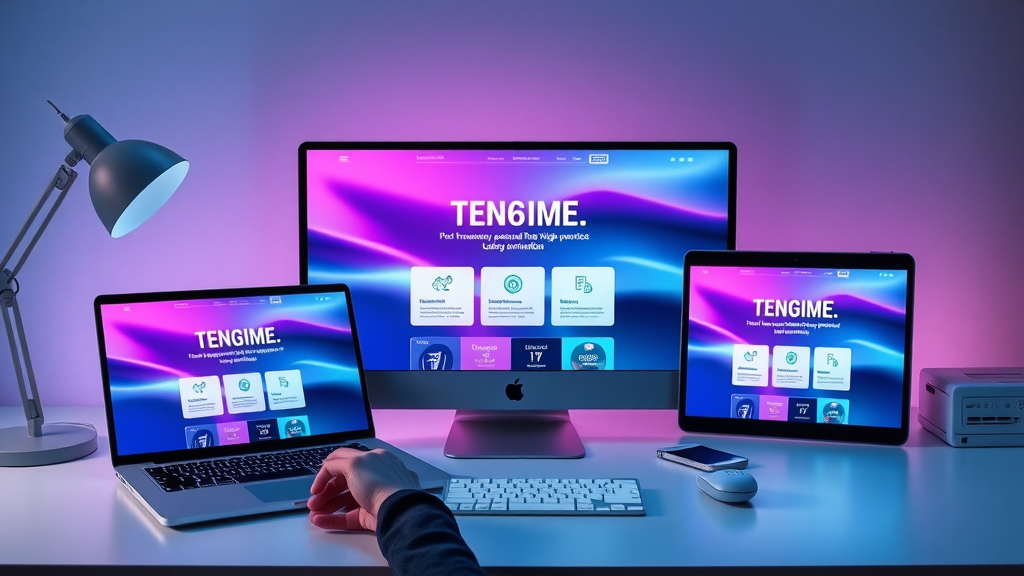
Effective website design directly correlates with website-based media success. Fast load times decrease bounce rates, while mobile responsiveness expands reach to users on any device. A harmonious layout supports graphic design choices, making blog articles, video content, and infographics more visually compelling and easier to digest.
Moreover, integrated UX/UI best practices ensure every interaction—whether reading an article or downloading a lead magnet—is frictionless. The result? Visitors spend more time exploring resources, view your brand as an authority, and are far more likely to convert. The technical backbone, from optimized code to clean information architecture, powers dynamic features like interactive media hubs or personalized user journeys, keeping your brand adaptable as technology evolves.
Integrating Website-Based Media into Your Digital Marketing Strategy
A robust digital marketing program places website-based media at its core. By blending original content on your website with cross-channel promotion through SEO and social media platforms, you create a powerful, self-reinforcing ecosystem.
Brands that treat their website as the central “owned media” hub not only gain more reliable analytics and insight, but also sidestep the limitations of algorithm changes and policy shifts on social media. Whether you’re an entrepreneur seeking qualified leads or a large brand with a global footprint, weaving your media strategy through your website creates a scalable, sustainable advantage.
Content Planning and Owned Media Synergy: Blogs, Video, and Beyond
- Optimized blog articles: In-depth, keyword-rich content that answers your audience’s questions drives organic search traffic and authority.
- Integration of video content: Engaging videos—tutorials, product demos, and behind-the-scenes—boost retention and build trust.
- Email subscriptions: Owned email lists enable direct connections, nurturing leads beyond third-party platforms.
- Lead magnets: Free resources (ebooks, checklists) offered in exchange for signups accelerate list growth and conversion.
By coordinating these content types, your website becomes more than a digital brochure—it becomes an interactive experience, perfectly tuned to convert potential clients and build lasting community engagement.
Amplifying Website-Based Media with Social Media & SEO
- Cross-promotion with social channels: Share blog posts, videos, and resources from your website across Facebook, Instagram, LinkedIn, and Twitter to draw traffic back to your owned hub.
- SEO best practices: Use on-page SEO , structured data, and quality backlink strategies to boost organic rankings and attract a targeted audience.
- Building digital authority: Consistently publishing high-quality, expert content increases your brand’s domain authority, driving more referral links, case studies, and PR mentions over time.
This synergy between owned media and external channels maximizes your reach, making your website an indispensable element of every modern marketing stack.
The Power of Graphic Design: Elevating Website-Based Media Appeal
- Brand consistency: Use graphic design principles to create a memorable, trustworthy look throughout all website-based media.
- Visual storytelling: Infographics, illustrations, and images tell stories beyond text, improving engagement and comprehension.
- Infographics and data visualization: Simplify complex information into easy-to-digest visuals that drive shares and links.
- Enhancing user retention: Beautiful, interactive graphics encourage users to spend more time on your site, increasing the likelihood of conversions and return visits.
Strong graphic design captures visitors’ attention and guides them through your content, reinforcing brand recognition and amplifying the impact of every piece of website-based media you produce.

Web Development Essentials for Sustainable Website-Based Media
Building a high-performing website-based media platform requires more than content and visuals. The underlying web development choices—platform, security, scalability—determine whether your digital presence can adapt to rapid changes in digital marketing.
Choosing the Right Platform and Tools for Website-Based Media
- CMS options (WordPress, Drupal): Select a flexible Content Management System that supports rich media, scalability, and extensibility.
- Security: Implement SSL, regular updates, and backups to protect data and user privacy.
- Scalability: Ensure your website infrastructure can accommodate growth in both traffic and functionality as your media hub expands.
- Customizability: Choose tools that enable you to tailor layouts, modules, and features as your content strategy evolves.
Making these investments on the front end sets the stage for a durable and future-proof website-based media property.
Analytics and Optimization: Measuring Website-Based Media Success
- Google Analytics: Track traffic, sources, and user behavior to uncover growth opportunities and fine-tune strategy.
- A/B testing: Experiment with headlines, calls to action, and layouts to maximize conversion rates.
- User feedback: Gather insights via surveys, comment forms, and interactive tools to align content with audience needs.
- Conversion tracking: Map the entire customer journey from first visit to email signup or purchase to prove ROI.
Analytical rigor transforms your website-based media from a static resource into a dynamic engine for ongoing digital marketing success.

People Also Ask: What is the meaning of web based media?
Answer: Website-based media refers to all digital content, communications, and platforms that are hosted and accessed through websites. This encompasses everything from blogs and news portals to multimedia-rich resource centers, and contrasts with media solely delivered through third-party apps or social channels.
People Also Ask: What type of media is a website?
Answer: Websites constitute 'owned media'—content and platforms brands or individuals fully control, distribute, and customize. Unlike paid or earned media, website-based media provides complete autonomy over design, voice, and user experience.

People Also Ask: What are the top 5 social media websites?
Answer: The top 5 social media websites globally are Facebook, YouTube, WhatsApp, Instagram, and WeChat. While critical for digital marketing synergy, ownership and authority over these platforms are limited versus website-based media.
People Also Ask: What is the internet based media?
Answer: Internet-based media refers to all forms of content published, hosted, or accessed over the web. This includes websites, podcasts, videos, online newspapers, and social platforms, but website-based media specifically indicates those where the creator has ownership and control.
Video: The Rise of Website-Based Media in Digital Marketing Strategy
Watch how innovative brands are moving away from reliance on social networks and putting website-based media at the heart of their digital marketing, with clear animation and brand examples illustrating the shift.
List: Top Features Every Website-Based Media Hub Must Have
- Intuitive navigation
- Mobile responsiveness
- Fast load times
- SEO integration
- Social sharing
- Compelling visual design
Ensure your media hub is built for performance, searchability, and seamless sharing, all presented within an engaging visual environment that keeps users coming back.
FAQs on Website-Based Media, Social Media, and Digital Marketing
- How does website-based media improve search rankings? Publishing optimized, high-quality content on your own website boosts domain authority, leverages structured data for better indexing, and attracts backlinks from reputable sources—each of which plays a significant role in achieving higher search engine rankings.
- Can website-based media replace all other forms of marketing? While website-based media is foundational and often delivers the highest ROI, integrating it with social media, email, and earned/paid outreach creates a multi-channel ecosystem that maximizes both reach and engagement.
- What are best practices for maintaining owned media? Consistently update your content, prioritize security, solicit user feedback, and use analytics to spotlight what’s working. Invest in SEO, UX improvements, and regular performance audits for ongoing success.
Quote: Industry Expert on Why Website-Based Media Fuels Brand Growth
"Brands who invest in website-based media build sustainable authority and reduce dependence on ever-changing algorithms."
Video: How to Build and Launch Your Own Website-Based Media Platform
Follow this step-by-step guide through real-world examples and visual walkthroughs highlighting everything from planning and platform selection to launching your own custom media hub.
Recap: Key Takeaways for Leveraging Website-Based Media
- Website-based media is foundational for authority
- Design and UX are critical
- Integration with social and SEO drives visibility
- Metrics and optimization fuel long-term growth
Ready to Launch Your Own Powerful Media Hub?
Transform your content strategy, boost your authority, and captivate your audience with a tailored media site hub. Let’s chat today—I’ll walk you through exactly how a customized media hub can elevate your brand and supercharge your business growth! 👉 Message me now for your personalized walkthrough!
Start building your owned media platform today—put your brand growth and digital authority in your own hands!




Write A Comment