- Did you know that viewers retain 95% of a message when they watch it in a video, compared to just 10% when reading it in text? This level of impact explains why video marketing strategies are transforming the digital ecosystem, delivering instant and measurable results for businesses worldwide.
Ready to unlock the secret behind skyrocketing engagement rates? With attention spans shorter than ever, video marketing strategies have become the cornerstone of digital success. This guide dives into powerful, practical tactics that drive instant results, helping brands capture, convert, and inspire audiences—often from the very first video view.

What You'll Learn
- What defines successful video marketing strategies and how they differ from traditional methods
- Types of video content proven to engage audiences
- How to design, produce, and distribute quality video for maximum impact
- Actionable steps and real-world examples of brands using video to drive instant results
- Advanced tactics for continuous improvement and conversion optimization
Understanding Video Marketing Strategies: Core Concepts and Search Intent
- Explore what makes video marketing strategies effective, with real-world examples and why they are crucial components in modern marketing.
Video marketing strategies are now essential for brands aiming to make an impact online. Users frequently search for engaging video content because they want information delivered fast, visually, and memorably. For example, a well-crafted explainer video on YouTube can answer a user’s need for clarity in less than two minutes—leaving a lasting impression with highly visual cues that words alone can’t provide.
The practical power of video marketing lies in its ability to fulfill diverse search intents, from “how to” tutorials to compelling product demonstrations. Algorithms on major media platforms prioritize video content, ranking it higher in search engine results. This means brands embracing strategic video use can benefit from better visibility and stronger engagement compared to competitors who rely solely on static images or text ads. Leveraging these modern strategies is crucial for brands that want to get measurable, immediate results in a digital-first world.
Defining a Video Marketing Strategy
- Discuss the meaning of a video marketing strategy and its difference from traditional marketing strategy, using SEO-focused examples.
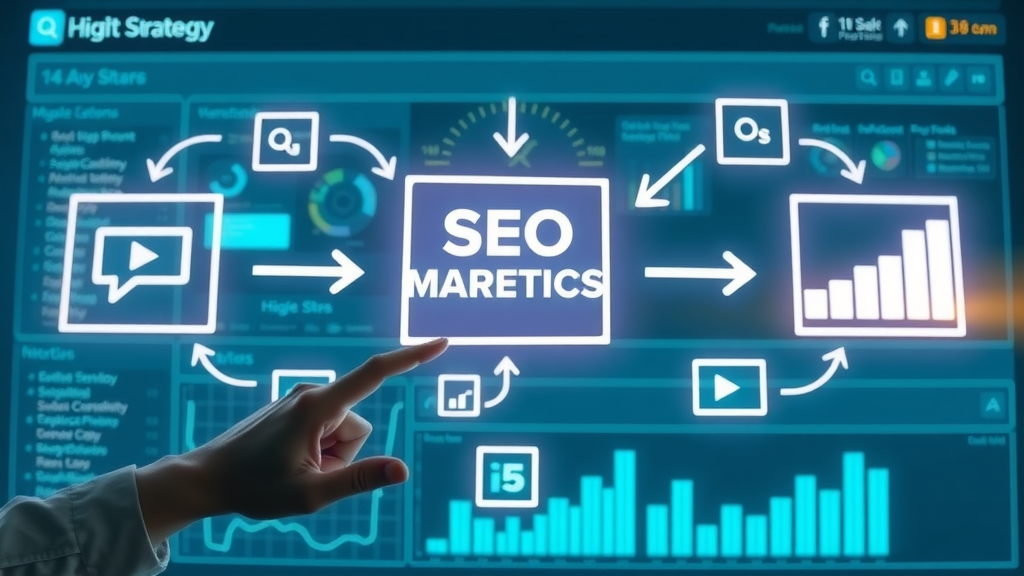
A video marketing strategy is a deliberate, data-driven plan for using video content to achieve specific marketing objectives—like increasing brand awareness, boosting conversions, or nurturing leads. Unlike a traditional marketing strategy, which may depend on text-heavy blogs or static images, a video marketing strategy prioritizes visual storytelling and dynamic messaging. For example, businesses often select video as their main marketing tool because search engines increasingly favor rich media over standard content.
Consider a company launching a new product: They could write a lengthy blog post about features, but a concise, animated explainer video embedded in their landing page will likely yield a higher video view rate and faster conversions. The key difference with a strong video marketing strategy is that each video is optimized for SEO—using targeted keywords, captions, and metadata—making content easily discoverable on platforms like YouTube or Google’s video search.
Key Benefits of Implementing Video Marketing Strategies
- Highlight practical outcomes such as increased engagement, higher conversion rates, and improved brand retention.
Implementing targeted video marketing strategies leads to tangible improvements. For starters, videos are a powerful tool for generating higher engagement. Social media channels consistently report that video posts achieve far more shares, likes, and comments than static posts. This is because compelling video content capitalizes on short attention spans, immediately drawing viewers in and holding their focus with visuals and narrative flow.
Another major benefit is the boost to conversion rates : landing pages featuring video can drive up to 80% more conversions, thanks to clearer calls to action and enhanced trust. Videos also foster stronger brand awareness and retention—viewers are more likely to remember brands that communicate via video compared to text or image-only formats. These outcomes combine to create a domino effect, amplifying ROI across every marketing channel where video is deployed.
How Social Media Influences Video Marketing Strategies
- Analyze the symbiotic relationship between social media and video marketing, showcasing trending platforms and viral case studies.
The relationship between social media and video marketing strategies is deeply interconnected. Today’s top-performing social platforms—like Instagram, TikTok, YouTube, and Facebook—heavily favor video, often giving preference in their algorithms to accounts that regularly post engaging media videos. Viral campaigns are built on highly shareable video content that encourages interaction and sparks trends, illustrated by phenomena like TikTok challenges or Instagram Reels that quickly garner millions of views.
Case studies reveal that brands who successfully combine creative video content with trending social media topics experience explosive growth. For example, a snack company’s cleverly timed YouTube video campaign featuring interactive polls generated a wave of UGC (user-generated content) and earned them not only social shares, but also a 30% increase in sales in a single quarter. The opportunity for rapid scale and instant visibility is why integrating social-driven video marketing strategies is no longer optional—but mission-critical for brands of every size.
What You Can Achieve With the Right Video Marketing Strategies
- Higher ROI in marketing campaigns
- Enhanced brand credibility and market authority
- Major spikes in audience engagement and sharing
- Increased website traffic and search engine visibility
- Growth in direct sales, leads, and conversions
Types of Video Content for Winning Video Marketing Strategies
Explainer Video, Tutorials, and Product Demos
- Why explainer videos are effective and how they fit into your broader video marketing strategy.
Explainer videos , step-by-step tutorials, and product demos are the backbone of a successful video marketing strategy. These types of video content work because they break down complex products or services into actionable, engaging narratives, tailored to your target audience’s needs. For example, a SaaS company might use a quick, animated explainer video to simplify onboarding, while e-commerce brands can use product demos to bring features to life.
These videos not only educate but also drive conversions by providing instant clarity—making the viewer feel informed and empowered to act. In SEO terms, explainer videos boost search engine rankings, as platforms like YouTube (which is itself the world’s second-largest search engine) reward high-quality, informative video content. Implementing explainer and demo videos at key stages of the marketing funnel can significantly increase both video views and total sales.

Behind-the-Scenes and Company Culture Videos
- Enhance your video content portfolio by showcasing authenticity and building audience trust.
Adding behind-the-scenes (BTS) and company culture videos to your media repertoire offers a powerful window into your brand’s personality. These formats humanize your business, making it easier for viewers to connect emotionally and trust your brand. By revealing team dynamics, company values, and workplace culture, you invite customers to invest in your brand story—not just your products.
These videos are especially impactful on platforms like LinkedIn and Instagram, where authenticity is a key driver for audience engagement. Sharing genuine moments and candid team interactions sets you apart in crowded feeds. Incorporating BTS and culture-focused video content into your overall marketing strategy helps build long-term loyalty and encourages word-of-mouth sharing—a powerful boost for any marketing campaign.
User-Generated Content and Testimonials
- Leverage real customer stories and feedback as a powerful video marketing strategy on social media.
User-generated content (UGC) and testimonials are vital for establishing trust and credibility in any video marketing strategy. When real customers share their stories or endorse your products on camera, the authenticity resonates strongly with new prospects. Social proof delivered via UGC video content can dramatically increase conversions—viewers trust their peers more than they trust branded ads.
Successful brands often encourage customers to submit short clips or testimonials for contests or features on their own channels. This not only fills your content pipeline but also strengthens community ties. Platforms like Instagram Reels and TikTok thrive on UGC, making it one of the easiest and most effective social media video tools for scaling engagement and credibility.
Designing a Powerful Video Marketing Strategy
Identifying Your Target Audience for Maximum Impact
- Research methods, buyer personas, and tailoring media video content for your unique audience.
Every great video marketing strategy starts with defining a precise target audience . The best practices involve in-depth research, competitive analysis, and developing detailed buyer personas. By using analytics tools (like Google Analytics or YouTube Studio) and direct audience surveys, you can gather actionable insights—demographics, preferences, purchase drivers—ensuring each video resonates.
Tailoring your media video content to speak directly to your ideal customer maximizes relevance and engagement. For B2B brands, this might mean focusing on LinkedIn and featuring thought-leadership interviews; for consumer brands, it could be about sharing entertaining TikTok challenges. When you create video content that understands your audience’s needs and questions, you build a stronger emotional connection, driving improved click-through rates and conversions.

Selecting the Optimal Social Media Platform for Your Video Marketing
- Comparing social media video distribution channels—YouTube, Instagram, TikTok, LinkedIn—and choosing the right fit for your business objectives.
Choosing the right social media platform is a critical step in successful video marketing strategies. Each platform has its unique strengths and formats: YouTube is unrivaled for long-form, evergreen video tutorials, while TikTok and Instagram Reels thrive on quick, creative bursts of content. LinkedIn favors professional, educational content—ideal for B2B outreach, thought leadership, and company updates.
The decision should align with your target audience habits. For example, younger demographics spend more time on TikTok, while professionals congregate on LinkedIn. Reviewing audience analytics will guide your distribution strategy, ensuring that every video view comes from someone likely to engage or convert. Remember, it’s more effective to master a few key platforms than to spread your resources too thinly across many.
Planning Your Marketing Campaign With Video
- Step-by-step: mapping campaign goals, targeting, and calendar for effective deployment of video marketing strategies.
Successful marketing campaigns with video start with clear, measurable goals. First, outline what success looks like—brand awareness, email sign-ups, or direct sales. Then, develop a content calendar that maps out key dates and campaign phases, such as teaser trailers, launch videos, follow-ups, and customer testimonials. Assign responsibilities across your team and ensure resources are allocated for pre-production, filming, and editing.
Integrating your content across all channels—including blog posts, email newsletters, and your primary media video platforms—maximizes reach. Always include strong calls to action that guide viewers to the next step, whether that’s signing up for a webinar, purchasing a product, or subscribing to your channel. Continuous tracking and feedback loops ensure that you can iterate in real time, adjusting your strategy to maximize outcomes.
Short animation illustrating a video marketing strategy blueprint.
Quality Video Production: Essential Steps in Effective Video Marketing
Pre-Production Planning: Scripting and Storyboarding
- Importance of audience-first messaging and clear calls to action.
Quality video production begins with meticulous pre-production, particularly scripting and storyboarding. Map out your video’s narrative flow, prioritizing audience-first messaging and a compelling call to action. Clear scripting ensures your message is concise and fully aligned with your overall marketing strategy, while storyboarding visualizes each shot and scene for seamless execution in the filming stage.
During this phase, keep your marketing goals front and center. Every shot should serve a distinct purpose—educating, entertaining, or persuading the target audience to take action. By treating pre-production as a collaborative, creative process, you lay the foundation for powerful video content that feels polished yet authentic, reflecting both your brand voice and campaign objectives.

Actual Video Production: Filming and Directing
- Best practices and equipment suggestions for producing high-impact video content.
The production stage brings your creative vision to life. For optimal video production , invest in high-quality cameras, proper lighting, and clear audio tools—these elements dramatically affect both video retention and perceived professionalism. Emphasize authentic on-camera talent—enthusiastic, relatable faces help drive home your brand’s message and encourage viewers to keep watching.
Filming should stay flexible to allow natural improvisation while respecting your storyboard’s essential beats. Directing with clarity and intention helps maintain a consistent tone that aligns with your content strategy . Whether you’re creating an explainer video, social media snippet, or product demo, ensure every shot serves your marketing funnel and audience goals.
Post-Production: Editing for Quality and Consistency
- Essentials of editing—consistency, pacing, branding overlays—crucial for your overall video marketing strategy.
After filming, the editing process transforms raw footage into polished, on-brand video content. Consistency in pacing, color grading, and branding overlays ensures every piece aligns with your broader marketing strategy . Editors should include subtle branding, add engaging captions or callouts, and trim excess footage for maximum engagement—remember, every second counts with today’s short attention spans.
As part of a broader video marketing strategy, standardized editing templates can help maintain quality across multiple campaigns. Splicing together varied footage, overlaying graphics, and adding calls to action at strategic moments contribute to stronger marketing results. Ultimately, effective post-production makes your media video content look and feel cohesive, professional, and primed for distribution.

Distributing Your Video Content: Choosing the Right Media Platforms
Optimizing Videos for Social Media and Other Media Platforms
- Technical specs, video length, and formatting for Facebook, YouTube, Instagram, and LinkedIn.
To maximize the impact of your media video content, tailor each video to the requirements of your chosen media platforms . Facebook and Instagram favor shorter videos (15–60 seconds), while YouTube accommodates longer content. Vertical formats are now best for Instagram Reels and TikTok, while horizontal or square videos work well on Facebook and YouTube.
Technical optimization also means compressing file sizes for quicker loads, adding burned-in captions to improve accessibility, and customizing thumbnails for higher click-throughs. Each social media platform provides unique metadata and tagging options—use these strategically for improved search engine visibility and cross-platform reach.

Developing a Multichannel Video Marketing Strategy
- Distribute consistent content that amplifies your message across all platforms.
With users scattered across countless media platforms , a multichannel video marketing strategy amplifies your message and broadens your reach. This tactic requires adapting your video content to each platform’s best practices while keeping brand messaging uniform. For example, share short teasers on Instagram, full tutorials on YouTube, and quick tips on LinkedIn—each serving the same campaign, tailored for its audience.
Using scheduling tools and content management systems makes cross-posting more efficient. Review engagement analytics for each platform, then iterate based on what earns the most views, shares, or sales conversions. Multichannel strategies help brands stay top-of-mind, turning a single campaign into a multi-touchpoint experience for the target audience.
Real-world case study: How multichannel video marketing elevated brand reach and engagement.
Measuring the Success of Your Video Marketing Strategies
Key Performance Indicators (KPIs) to Track
- Views, engagement rates, shares, click-throughs, conversions—the most actionable metrics.
Tracking specific KPIs is vital to understanding the impact of your video marketing strategies. Start with the basics: video views and watch time indicate reach, while engagement rates —likes, comments, shares—demonstrate audience interest. Click-throughs to product pages or landing sites measure direct response, and conversion metrics reveal actual ROI from each marketing campaign.
Advanced analytics platforms, like YouTube Studio or Facebook Insights, offer real-time visualization of trends, helping you spot which pieces of video content resonate best. Regular KPI monitoring allows you to make evidence-based decisions, focusing future media video production on the formats and messages that actually drive success in your market.

Tools for Analyzing Your Video Campaign Data
- Google Analytics, YouTube Studio, native social insights, and third-party analytics tools.
Robust analytics tools empower marketers to optimize every aspect of their video marketing strategies . Google Analytics and YouTube Studio offer detailed breakdowns on traffic sources, watch times, and audience demographics. Native tools on Facebook, Instagram, and LinkedIn provide further insights into video post performance.
For organizations running large-scale or multichannel campaigns, third-party analytics (like Socialbakers or Sprout Social) integrate data across all platforms. These tools help identify spikes in engagement, uncover drop-off points within individual videos, and even benchmark performance against competitors—ensuring your next video marketing campaign achieves even stronger results.
| Platform | Key Features | Best For |
|---|---|---|
| Google Analytics | Website video tracking, source attribution, conversion goals, multi-channel analysis | Integrating video with web behavior & ROI tracking |
| YouTube Studio | Real-time views, watch time, demographics, traffic sources, revenue tracking | In-depth YouTube channel video analytics |
| Facebook Insights | Video engagement, reach, audience insights, conversion events | Social media video marketing on Facebook & Instagram |
| Sprout Social | Cross-platform video stats, audience growth, sentiment analysis, scheduling tools | Enterprise multi-channel video strategies |
Iterating Your Video Marketing Strategy for Better Results
- How to use findings to continually improve media video performance and return on investment.
Continuous iteration distinguishes successful video marketing strategies from those that stagnate. Use analytics data to spot opportunities for improvement—adjust video length, experiment with new formats, or optimize calls to action for better conversion rates. A/B testing thumbnails, intros, and even music tracks can reveal which elements perform best for your audience.
Set a regular review cadence to assess both the quantitative (views, conversions) and qualitative (sentiment, comments) feedback. Leverage this real-world intelligence to refine your future content strategy, maximizing every dollar and minute spent on video production and distribution.
The Role of Social Media Video in Modern Video Marketing Strategies
Trends Shaping Social Media Video Content
- Current trends: short vertical videos, live streaming, interactive polls for stronger engagement.
Social media video landscapes are changing fast. Trends like short, vertical “snackable” videos—popular on TikTok, Instagram Reels, and YouTube Shorts—drive rapid engagement through quick bursts of entertainment or value. Live streaming is gaining popularity for Q&As, behind-the-scenes tours, or exclusive product launches, creating real-time connections with viewers.
Interactivity is also on the rise: from clickable polls within Facebook Live to Instagram’s question stickers, these features invite the audience to participate, making video marketing less passive and more conversational. Adopting these trends ensures your social media video strategy stays fresh and front-of-mind with ever-evolving digital audiences.

Influencers and User Engagement in Social Media
- Collaboration and leveraging community-generated videos for maximum reach.
Collaborating with influencers and amplifying user-generated content multiplies reach on social media platforms . Influencers can introduce your brand to new audiences, lending credibility and sparking interaction through challenges or product integrations. Featuring viewers' content—be it reviews, tutorials, or reactions—builds a sense of community and increases organic reach.
When combined with effective video marketing strategies, these approaches elevate engagement rates well above other content types, creating a virtuous cycle where every share or mention introduces new viewers and potential customers to your message.
"Brands that use video marketing strategies on social media can see engagement rates up to 49% higher than those using other forms of content." — Digital Marketing Institute
Integrating Video Marketing Strategies With Your Overall Marketing Strategy
Aligning Video Content With Marketing Campaign Goals
- Use video to reinforce product launches, promotions, and other marketing activities.
For greatest impact, integrate your video content with major milestones in your marketing campaign. Product launches gain momentum with teaser videos or live demos; holiday sales are bolstered by festive ads or testimonials. Thematic storytelling carried consistently across all mediums ensures that your message resonates, whether customers see it in their inbox, social media feed, or on your homepage.
Timely, coordinated video drops can also make marketing efforts feel more event-driven, creating anticipation and maximizing the efficiency of ad spend. Synchronizing your video marketing strategy with broader marketing strategy goals guarantees message consistency and effectiveness.
Leveraging Video Content Across the Entire Customer Journey
- Awareness, consideration, and conversion—how video enhances every funnel stage.
Video content can be deployed strategically at every stage of the marketing funnel. At the awareness stage, short, viral clips introduce new users to your brand. In the consideration phase, explainers, demos, and testimonials reinforce your expertise and build trust. At the decision stage, personalized or retargeted videos drive viewers to take action—like purchasing or signing up.
This integrated approach maximizes touchpoints and helps shorten the decision-making process. Every step is supported by data—so you know what’s working, where users are dropping off, and how to adapt your future video marketing efforts to nurture more leads to conversion.
Advanced Video Marketing Strategies for Instant Results
Personalization Techniques in Video Content
- Dynamic video experiences, retargeting, personalized calls to action based on viewer behavior.
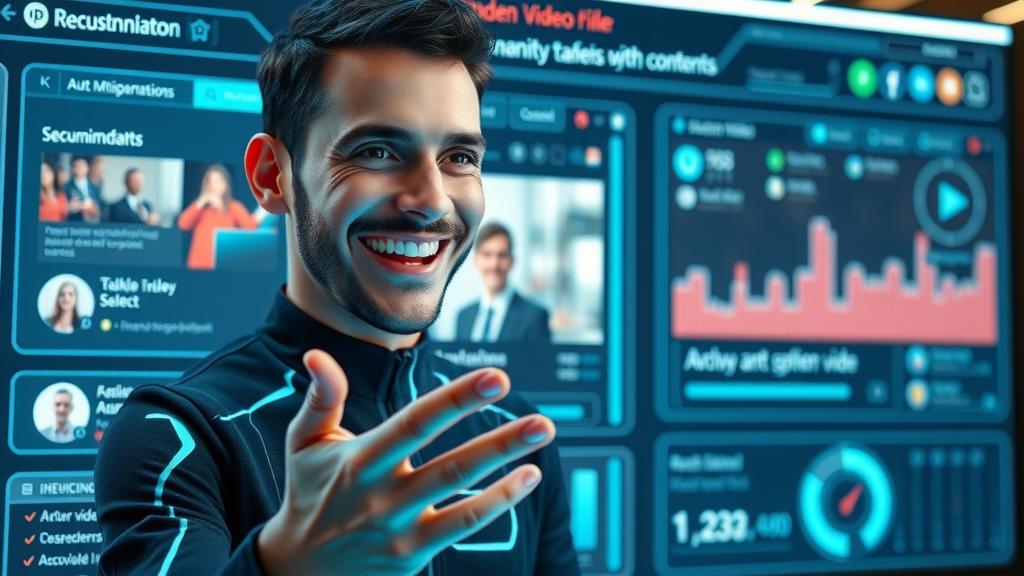
Personalized video content is the next frontier in video marketing strategies. Modern tools now allow brands to dynamically tailor video messages to each viewer—think personalized greetings, custom product recommendations, or targeted offers based on prior interactions. Personalized calls to action boost click-through and conversion rates, and retargeted video ads remind prospects about abandoned carts or new offers.
These advanced tactics feel more like a one-on-one conversation than a broadcast, closing the gap between brands and customers and delivering immediate, tangible results.
A/B Testing for Optimizing Video Marketing Campaigns
- Testing thumbnails, intros, formats to optimize viewer retention and conversions.
Regular A/B testing is critical for optimizing video marketing strategies . By experimenting with different thumbnails, intro hooks, or video formats, marketers can identify what best captures the attention span of their target audience. Insights from these tests might show, for example, that a colorful thumbnail drives more video views, or that a shorter intro leads to higher retention.
Over time, these small adjustments compound, sharpening your strategy and maximizing campaign ROI. Always analyze your test results with clear KPIs in mind—such as engagement, completion rate, and call to action conversions.
Boosting Video Performance With Paid Social Media Ads
- When (and how) to amplify organic video marketing strategies with strategic ad spend.
While organic reach is powerful, supplementing your video marketing strategies with paid social media ads can yield instant results. Invest in ad campaigns when launching new products, running limited-time offers, or targeting high-value audiences. Paid promotion ensures your best-performing video content reaches users beyond your existing followers—driving up awareness, traffic, and conversions fast.
Be strategic with targeting: use custom audiences, lookalike audiences, and retargeting ads for greatest efficiency. Monitor performance closely and reallocate budget to formats and campaigns delivering the strongest results, maximizing your video marketing ROI.
Overcoming Common Challenges in Video Marketing Strategies
Budgeting for Quality Video Production
- Cost-saving ideas, in-house vs. outsourcing, and maximizing ROI.
Producing quality video content doesn’t always require a blockbuster budget. Many brands see success using smartphones, free editing tools, and creative in-house talent. For more complex projects, consider outsourcing production, but focus on suppliers with proven track records in your industry. Allocate budget towards elements with the biggest impact—like compelling scripts and professional audio.
Hybrid production models—mixing in-house planning with freelance videographers or editors—can offer flexibility. Track spending versus campaign ROI to ensure every video dollar delivers measurable results and supports your long-term content strategy.
Creating Consistent, High-Quality Video Content
- Workflows, editorial calendars, and brand guidelines that keep output on track.
Consistency is key to building a recognizable presence with video marketing strategies . Use editorial calendars to map out content themes, important dates, and publishing schedules. Develop clear brand guidelines covering tone, visual elements, and video length for all team members or collaborators—ensuring every piece shares a cohesive look and message.
Implement workflow tools (like Trello, Asana, or Airtable) to track project status, assign tasks, and keep all stakeholders aligned. Consistent output breeds recognition and anticipation, helping to position your video marketing efforts as a reliable resource for current and future customers.

Ensuring Accessibility and ADA Compliance in Media Video
- Captions, audio descriptions, and mobile-friendly formatting for inclusive video marketing strategies.
Inclusive video marketing strategies prioritize accessibility. Add captions and subtitles to every video so viewers with hearing impairments or those watching on mute aren’t left out. Audio descriptions—narrating on-screen actions—further provide access for the visually impaired. Optimizing video formatting for mobile devices, and ensuring color contrast in overlays, creates a positive experience for everyone.
ADA compliance is not only ethical—it’s also good business. Accessible video content increases reach, improves SEO, and minimizes legal risks, making it an essential part of any modern marketing campaign.
Case Studies: Real-World Successes Using Video Marketing Strategies
B2B and B2C Brands Excelling at Video Marketing
- Detailed breakdowns of brands leveraging video content for measurable success.
Leading B2B brands like HubSpot use educational webinars and video tutorials to nurture leads and increase trust, reporting up to 70% higher conversion rates with landing pages that feature video. Meanwhile, successful B2C companies such as Dollar Shave Club transformed simple product demos into viral hits, gaining millions of video views and global recognition almost overnight.
The common denominator is a clear, audience-focused video marketing strategy tailored to each step of the customer journey—educate, entertain, and convert.
Lessons Learned From Viral Social Media Video Campaigns
- Practical takeaways you can apply to your own marketing strategy.
Viral campaigns share key characteristics: they tap into trending topics, use authentic storytelling, and include clear, shareable calls to action. One standout lesson from the Ice Bucket Challenge (which raised both money and awareness for ALS) is the exponential power of UGC and nomination-driven campaigns—each participant drove further organic video creation and social sharing.
The takeaway? To maximize impact, align your video marketing strategies with participatory and emotionally resonant content—encouraging audiences not just to watch, but to share and create.
Expert Quotes on Best Video Marketing Strategies
"Incorporating an agile video marketing strategy is no longer optional—it's essential for brands seeking to compete in dynamic digital environments." — Industry Leader
Frequently Asked Questions on Video Marketing Strategies
What is a video marketing strategy?
- A video marketing strategy is a planned approach that leverages various types of video content across platforms to achieve specific marketing objectives, like boosting engagement or increasing conversions.
What are the 4 marketing strategies?
- The 4 main marketing strategies are product, price, place, and promotion. Video marketing can be integrated into each area to enhance reach and effectiveness.
What is the 3-3-3 rule in marketing?
- The 3-3-3 rule involves engaging viewers within the first 3 seconds, making your key point in 3 minutes, and ensuring the video is memorable for at least 3 days after viewing.
How do you market your videos?
- Distribute across relevant social media platforms, embed in blogs/emails, optimize for SEO, and leverage ad campaigns—all part of a cohesive video marketing strategy.
Checklist: Action Steps for Implementing Video Marketing Strategies That Deliver Instant Results
- Define target audience and goals
- Select video content types
- Plan production and distribution
- Optimize for each media platform
- Monitor results and iterate
Key Takeaways: Video Marketing Strategies That Drive Success
- • Video marketing strategies produce higher engagement and retention
- • Quality planning, production, and analytics are essential
- • Continuous iteration ensures long-term results
Ready to Transform Your Brand Results With Innovative Video Marketing Strategies?
- Contact our experts today for a personalized video marketing strategy consultation and begin driving instant results for your business.




Write A Comment