Did you know over 75% of all video views worldwide now happen on mobile devices ? Mobile video marketing has erupted as the single most effective way to reach and engage audiences who are constantly on the move. Whether you want to boost brand awareness, nurture leads, or drive instant conversions, mastering video ads for mobile users is the new must-have marketing skill for 2024—and beyond.

Why Mobile Video Marketing Is Taking Over: Surprising Statistics You Need To Know
The rapid ascent of mobile video marketing cannot be overstated. Mobile users now outnumber desktop users, and their volume of content consumption continues to surge year after year. For marketers, this spells enormous opportunity. But what does mobile video look like today, and why is it so effective at reaching the modern target audience?
Platforms like YouTube, TikTok, and Instagram have nearly perfected the art of mobile video ad engagement. Over 85% of all internet users in the U.S. watch video content on their mobile device every month . Even more compelling is the fact that mobile video ads are three times more likely to be watched to completion compared to their desktop counterparts. Mobile video advertising offers an incredibly high ROI for brands seeking to make authentic connections on the move. Let's break down the most pivotal stats driving this transformation.
Current State of Mobile Video
- In 2023, mobile devices accounted for more than 70% of all digital video views globally.
- Vertical video ad formats now drive 9x higher engagement rates versus horizontal formats on mobile platforms.
- The average mobile user spends 21+ hours a week consuming video ads and branded content on their phones.
- Mobile video ads achieve up to 10x higher click-through rates when optimized for sound-off viewing.
- Social media platforms deliver more than 80% of mobile video advertising impressions.
Understanding Mobile Video Marketing: Definitions and Core Concepts
For newcomers and seasoned marketers alike, understanding mobile video marketing's nuances is crucial. What exactly sets it apart from traditional video advertising, and how does it work to amplify your media ad campaigns?
What Is Mobile Video Marketing?
Mobile video marketing is the strategic use of video ads and branded content to connect with target audiences via their mobile devices —primarily smartphones and tablets. Unlike static mobile ad images, mobile video is highly immersive and can convey brand messages, stories, or calls to action in an eye-catching format. Whether it's a six-second TikTok, an Instagram Reel, or a YouTube pre-roll, these ad formats enable brands to reach and engage users in the context where they spend most of their digital time.

How Does Mobile Video Advertising Work?
At its core, mobile video advertising involves deploying video content to a wide range of platforms that specifically target mobile users . Advertisers leverage interactive ad formats, vertical video, and social media integrations to achieve higher engagement. Video ads may appear in-stream (before or during other video content), out-stream (within articles or feeds), or as standalone social media ads. The outcome? Campaigns designed for the mobile device user deliver tailored, high-impact messaging that moves audiences closer to conversion.
“Over 75% of all video views worldwide happen on mobile devices—a trend set only to rise.”
What You'll Gain From Mastering Mobile Video Marketing
Embracing mobile video marketing can propel your business in measurable ways. It's not just about following trends—it's about wielding an adaptable, results-focused tool that drives engagement from the palm of your audience's hands.

- Improved user engagement : Catch attention and spark actions with immersive, device-optimized experiences.
- Broader reach : Tap into the explosive growth of mobile video ads across all demographics and regions.
- Authentic connections : Build trust and drive emotional responses with storytelling that feels personal and relatable.
- Higher ROI : Outperform static mobile ads, banners, and desktop campaigns by maximizing the impact of every advertising dollar.
The Evolution of Video Advertising on Mobile Devices
The journey from clunky TV commercials to today's sophisticated mobile video marketing campaigns is as fascinating as it is instructive. To understand current success, we need to trace where video advertising came from—and how it’s adapted to the mobile generation.
From Television Commercials to Mobile Video Ads
Once the dominant format, TV ads ruled the airwaves for decades. But as mobile devices became ubiquitous, consumer attention shifted from living room screens to the device in their hand. Brands realized that to truly reach and engage audiences, they needed to reinvent the video ad—making it shorter, more dynamic, and natively formatted for mobile user behavior. Mobile video ads enable instant interaction and have democratized access for smaller brands looking to tell their story, leveling the playing field in a way TV advertising never could.
The Rise of Social Media Video Marketing
Social media platforms like Facebook, Instagram, TikTok, and Snapchat have been the rocket fuel for mobile video marketing. These platforms are designed around mobile-first consumption, making them the ideal place for brands to experiment with interactive ad formats, user-generated video content, and influencer collaborations. The current generation of social media ad platforms allows near-instant data feedback and laser-targeting tools that empower marketers to optimize in real time.

Why Audiences Prefer Mobile Video Ads and Content
Curious why viewers are drawn to video ads and branded content on their phones? The secret is in how mobile video marketing fits seamlessly into their habits and needs—anytime, anywhere.
Mobile Devices and Changing User Experience
The pocket-sized convenience of a mobile phone fundamentally changes how consumers interact with video content. Unlike desktop or even laptop viewing, watching a video ad on a mobile device is intimate, engaging, and often happens in real time. Mobile users often expect content to be fast, relevant, and tailored to their swiping behavior, which is why mobile video ads excel at creating high-value touchpoints throughout the day.
Short-Form Video, Interactivity, and Instant Engagement
Short-form video content, such as Instagram Reels, TikTok clips, and YouTube Shorts, is proven to capture attention more rapidly than traditional advertising. Interactive ad formats invite users to click, swipe, or vote—making the user experience not just passive, but participatory. Add to that the instant gratification of mobile video ads (skipping, replaying, sharing) and it’s easy to see why completion rates soar on mobile devices.
“Mobile video ads are 3x more likely to be watched to completion than desktop video ads.”
Types of Mobile Video Marketing: Formats, Platforms, and Trends
To maximize success in mobile video marketing, selecting the right formats, ad platforms, and creative approaches is essential. You need not only to match the right message to the right mobile ad format, but also take advantage of fast-moving trends in video marketing.
- In-stream video ads
- Out-stream ads
- Vertical video
- Interactive ad formats
- Live video
- Social media stories
| Format Type | Length | Engagement Rate | Platform Compatibility |
|---|---|---|---|
| In-stream video ads | 6s–30s | High | YouTube, Facebook, Instagram, TikTok |
| Out-stream ads | 10s–60s | Medium | Web, News Apps |
| Vertical video | 6s–60s | Highest | Snapchat, Instagram, TikTok |
| Interactive ad | 10s–45s | Very High | Social Media Platforms |
| Live video | 60s–∞ | Depends on content | Facebook, Instagram, TikTok |
| Social media stories | 6s–15s | High | Instagram, Facebook, Snapchat |

Creating Effective Mobile Video Content: Best Practices
Standing out on a crowded mobile screen takes more than luck. To truly resonate, your video marketing must be tailored for the unique behavior and expectations of mobile users.
Optimizing for Mobile Devices & User Experience
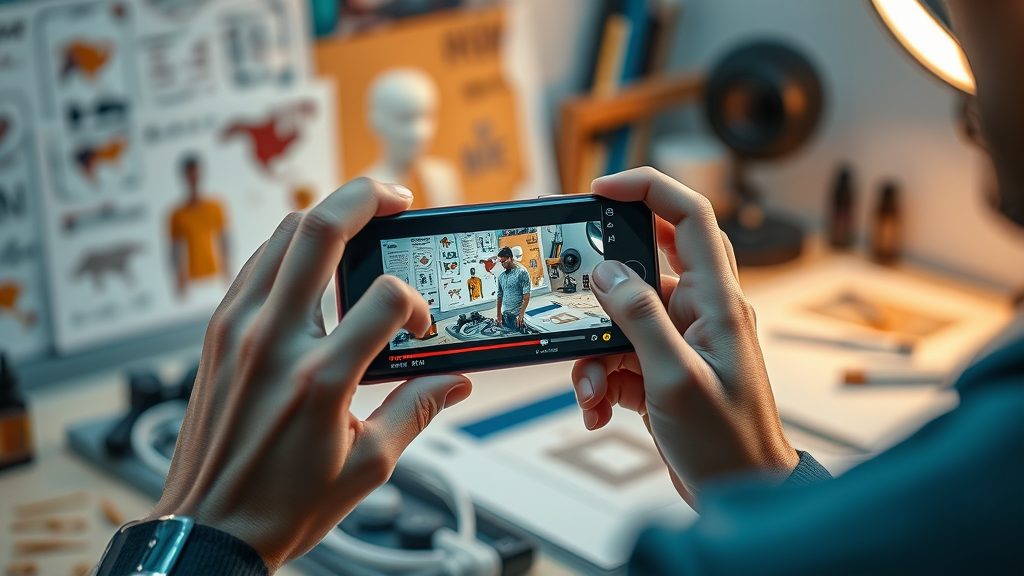
Begin by designing every video ad with the mobile user’s experience in mind. That means prioritizing short, punchy messaging, bold visuals, and content that’s instantly understandable without sound. Test across a variety of mobile phones and screen sizes to ensure consistency. Remember, a slick, lag-free playback makes all the difference between a completed view and a quick swipe away.
Designing for Sound-Off Viewing and Vertical Format
Research shows most mobile video ads are watched without sound, so always include captions or on-screen text. Select a vertical ad format whenever possible—vertical videos capture the full attention of mobile users and eliminate distractions from outside the frame. This approach aligns perfectly with today’s social media ad trends and delivers much higher watch-through and engagement rates.
Leveraging Social Media Video Marketing Campaigns
The power of social media video marketing is in its direct, native reach and viral-sharing potential. Tap into trending topics, branded challenges, and real-time moments to keep your content relevant. Take advantage of platform-specific edits, overlay features, and interactive ad elements to boost engagement across every social media platform.
“Vertical video ads earn up to 9x more engagement than horizontal ads on mobile platforms.”
How to Build a Successful Mobile Video Marketing Campaign
Transforming your vision into a high-performing mobile video marketing campaign takes a mix of purpose-driven strategy, compelling creative, and data-backed optimization. Here’s how to set up campaigns that consistently deliver ROI.
Defining Campaign Goals and Target Mobile Users
Start every marketing campaign by identifying specific business objectives: boosting brand awareness, driving website visits, collecting leads, or pushing product sales. Next, define your target mobile user. Consider demographics, behaviors (are they frequent social media users or YouTube browsers?), and when and how they interact with their mobile device throughout the day. Tailoring your message to audience habits ensures your mobile video ad doesn’t just reach viewers— but compels them to act.

Selecting the Right Platforms (YouTube, Instagram, TikTok, Facebook, Snapchat)
Not all platforms—or audiences—are created equal. Match your messaging and ad format to the platform where your audiences are most active. TikTok supports snappy, trend-based creative; YouTube is great for pre-roll and in-depth stories; Instagram and Facebook offer vibrant story placements and carousel video ads; Snapchat excels at filters and viral challenges. By aligning campaign content and objectives with each platform’s strengths, you maximize your marketing ROI.
Crafting Magnetic Video Content for Mobile Audiences
Creativity and relevancy are king in mobile video marketing. Prioritize arresting visuals, a clear CTA, and emotional resonance early in the video ad. Integrate interactive elements—like polls or “swipe up” features—to further engage viewers. The most captivating mobile video ads often provoke an instant reaction, making the viewer want to share, comment, or revisit—the ultimate markers of mobile video ad success.
- Research: Analyze competitors and trending mobile ad formats for your industry.
- Planning: Outline campaign goals, budget, and KPIs.
- Testing: Run A/B tests for ad length, format, and message to find the highest performing mix.
- Measurement: Track engagement and conversion metrics. Iterate quickly to improve ROI.
Top Examples of Mobile Video Advertising That Captivated Audiences
Let’s get inspired! Here are some powerful examples of mobile video ads and marketing campaigns by top brands that struck gold with their audience:
- Apple’s “Shot on iPhone” series: User-generated mobile video content, beautifully edited to showcase both the product and real-life moments.
- Old Spice’s TikTok Challenges: Short, humorous, interactive ad campaigns that prompt user participation and viral sharing.
- Instagram Stories by Nike: Limited-time vertical video ads, leveraging influencer collaborations and real-time events for an authentic, mobile-first experience.
- Snapchat’s AR Filters for Taco Bell: Interactive ad formats that allowed users to “try on” taco-themed overlays—improving awareness and engagement.
- Dove’s #ShowUs Campaign: Mobile video marketing that celebrates diversity and inclusion, shared as sound-off videos with inspirational captions for social impact.

Analyzing Mobile Video Ads: Metrics That Matter
Achieving real business growth with mobile video marketing means knowing what to measure. The right insights help you scale video advertising efforts and maximize ROI.
Engagement Metrics: Completion Rates, CTR, Shares
Monitor key engagement metrics such as video completion rates (how many viewers watched to the end), click-through rates (how many clicked your CTA), and shares (how often the video was forwarded). These indicators reveal just how compelling and successful your mobile video ad truly is.
Conversion and ROI for Mobile Video Campaigns
Ultimately, the best measure of success is in the conversions: lead signups, product sales, app installs, or other trackable actions. Calculate ROI by comparing conversions and sales against your video ad spend—then double down on formats and platforms that deliver the highest return.
| Metric | Value | Insight |
|---|---|---|
| Completion Rate | 82% | High content relevance drives full-views |
| Click-Through Rate (CTR) | 3.7% | Strong, clear call-to-action present |
| Share Rate | 1.5% | Video ad is engaging and relatable |
| Conversion Rate | 2.1% | Campaign generated quality leads or sales |
| ROI | +230% | Excellent cost efficiency and impact |
Overcoming Challenges in Mobile Video Marketing
Despite tremendous opportunity, mobile video marketing is not without its hurdles. Addressing these common issues is key to campaign longevity and ongoing audience engagement.
Ad Fatigue, Clutter, and User Control
Too many repetitive or intrusive video ads can cause audience fatigue, leading to lower engagement and higher ad-blocking. Combat this by refreshing creative often, capping ad frequency, and offering controls like skip features. Put user experience first—engage but don’t annoy.
Technical Barriers: Compatibility Across Mobile Devices
Fragmentation among mobile devices and operating systems can create technical headaches. Minimize problems by using universally compatible formats (like MP4 for video), testing across device types, and optimizing for fast load times and smooth playback—even on slower networks.
Future Trends in Mobile Video Marketing
Where next? The world of mobile video ads is evolving rapidly, driven by new tech and changing consumer preferences.
Personalized Mobile Video Ad Experiences
Expect more hyper-personalized video ads that use AI and big data to predict behavior and deliver tailored content. These smart campaigns can adapt creative in real time—based on location, preferences, viewing history, or even the current weather.

The Growing Role of AI and Machine Learning
AI-driven optimization will help marketers automatically run A/B tests, segment audiences, and serve the most relevant mobile video ads —ensuring every impression counts. Machine learning will power predictive analytics, better targeting, and hands-off creative adjustments for continuous campaign improvement.
People Also Ask: What Are Mobile Video Ads?
Exploring the nuances and unique formats of mobile video ads with examples and expert commentary.
Mobile video ads are short video content pieces designed for viewing on smartphones and tablets. They come in many formats: in-stream (pre-roll or mid-roll on platforms like YouTube), out-stream (embedded within news content or social feeds), social media stories (Instagram, Facebook, Snapchat), and interactive ads (clickable polls or shoppable videos). Top experts agree the key is to use native, format-specific strengths—vertical video for stories, interactive elements for social media ad success, and tailored CTAs to maximize engagement.
People Also Ask: What Is Video Marketing?
A deep dive into video marketing fundamentals, from strategy to distribution channels and measurement.
Video marketing is a strategy that utilizes video content—across mobile devices, desktop, and beyond—to promote products, services, or build brand awareness. It encompasses everything from explainer videos, testimonials, and product demos to viral ads. To succeed, marketers develop a strategy around their target audience, select optimal distribution channels (YouTube, social media platforms, OTT), and measure performance through engagement and conversion analytics.
People Also Ask: What Is Mobile Content Marketing?
How mobile content marketing incorporates mobile video to maximize engagement and brand impact.
Mobile content marketing focuses on delivering valuable, relevant content crafted specifically for viewing and interaction on mobile devices. This includes not only text and images but increasingly mobile video content, as it garners better engagement and recall. By integrating video into a broader content marketing strategy, brands can reach users with snackable, easily shareable content that boosts both visibility and emotional connection.
People Also Ask: How To Start Mobile Videography?
Step-by-step tips for beginners to launch a successful mobile videography journey.
Starting your mobile videography journey is easier than ever. Begin by choosing a smartphone with a high-quality camera and stable recording abilities. Plan short, story-driven scripts that align with your marketing goals. Use natural lighting, shoot in vertical ad format where possible, and explore beginner-friendly editing apps. Finally, test your videos on different mobile devices to ensure compatibility and appeal before publishing.
Frequently Asked Questions on Mobile Video Marketing
- How much does mobile video marketing cost? Costs vary widely—from a few hundred dollars for simple DIY ads up to tens of thousands for large-scale, professional campaigns. Factors include video length, production values, platform ad buys, and targeting scope.
- How long should a mobile video ad be? Ideal length is 6 to 15 seconds for stories and in-stream mobile video ads; up to 30 seconds for more complex messages. Shorter ads perform better due to fast user attention spans.
- What are the best platforms for mobile video ads? YouTube, Instagram, TikTok, Facebook, and Snapchat are industry leaders for reaching engaged mobile audiences.
- How do I measure success in mobile video advertising? Key metrics include completion rates, click-throughs, engagement, conversions, and overall ROI for your defined campaign goals.
- Do I need professional equipment for mobile video campaigns? Not necessarily. Modern smartphones offer excellent video quality. Focus on good lighting, steady shots, and concise storytelling. For advanced campaigns, investing in gimbals or external mics may help.
Summary and Action Steps: Making Mobile Video Marketing Work For You
Recap of the most important insights, actionable to-dos, and where to find additional resources.
Ready to dominate your market with mobile video marketing ? Start by defining your campaign objectives, choose the right ad formats for mobile devices, and craft engaging, mobile-optimized content. Track performance, iterate fast, and leverage the latest trends in social and AI-powered personalization to stand out from the competition.
“The next wave of digital marketing belongs to brands who master the art of mobile video.”




Write A Comment