What if we told you that over 90% of the world’s millionaires built their fortune through real estate portfolio management ? This isn't just a statistic—it's a strategic roadmap to true, lasting wealth. By advancing beyond single-property investing and embracing the art of managing an entire portfolio, you unlock the proven path followed by the globe’s most financially successful individuals. In this comprehensive guide, you’ll discover how to optimize returns, outpace market volatility, and scale your investment empire like the top real estate portfolio managers—all in language you can understand, apply, and profit from.

Did you know? Over 90% of the world’s millionaires achieved wealth through real estate portfolio management
- You’ll discover how real estate portfolio management can outperform single-property investing.
- Understand the difference between investment management and portfolio management .
- Gain access to expert strategies used by top real estate portfolio managers .
Understanding real estate portfolio management: Foundation for investment management success

Defining real estate portfolio management vs. investment management
Real estate portfolio management is the strategic art of overseeing a group of real estate assets to optimize performance, rather than simply focusing on individual property returns. While both portfolio management and investment management seek to maximize profit and control risk, the true difference lies in scope. Investment management is generally focused on buying, holding, and selling assets for return, but portfolio management integrates the interplay between assets, market trends, and risk management to orchestrate long-term success. Think of the portfolio manager as a conductor ensuring every part works together harmoniously for the investor’s benefit.
“Real estate portfolio management is more than picking properties — it’s about optimizing performance across assets for long-term goals.” -- Leading Portfolio Manager
A real estate portfolio manager is responsible for setting investment objectives, rebalancing asset allocation, and conducting portfolio performance reviews. Meanwhile, investment managers may focus on shorter-term profits or returns from individual holdings. This strategic difference is pivotal; it’s why well-managed estate portfolios consistently outperform single-property or ad-hoc investment approaches. By taking a holistic, diversified, and professional approach, real estate portfolio management unlocks pathways to lasting wealth, aligning strategies with investor goals.
How real estate investment, estate investment, and asset management intersect
The fields of real estate investment , estate investment management , and asset management all contribute to a successful real estate portfolio. Where asset management concerns the operational efficiency and financial performance of individual assets, estate investment management zooms out to focus on balancing a range of asset types in service of achieving specific, often-nuanced investment goals. Investment management brings its own toolkit, focusing on optimizing returns and risk through financial discipline. Portfolio management, therefore, sits at the intersection—bringing together the best practices from each area to build, scale, and optimize a diversified real estate portfolio that weathers market volatility.
| Aspect | Real Estate Portfolio Management | Estate Investment Management | Asset Management |
|---|---|---|---|
| Focus | Strategic allocation, risk management, optimization across entire portfolio | Long-term wealth preservation and generational transfer | Maximizing performance of individual properties/assets |
| Scope | Multiple properties, regions, asset classes | Comprehensive estate, including real estate, equities, other investments | Operational efficiency, income, valuation |
| Responsibilities | Set objectives, allocate capital, monitor & rebalance, report | Align estate planning & tax strategy with investment | Oversee leasing, maintenance, performance analysis |
Mastering this intersection empowers you to manage risk and capitalize on opportunities across your entire real estate portfolio , rather than leaving your financial future to chance.
Core principles of real estate portfolio management: Strategies for building an estate portfolio
Building a diversified real estate portfolio for lasting wealth
A successful real estate portfolio is carefully diversified. This means investing across different property types, geographic areas, and even economic cycles to reduce overall risk. Portfolio managers don't bet everything on a single asset. Instead, they examine a blend: multifamily apartments, office spaces, warehouses, and retail, each performing differently depending on broader market trends and economic events. Diversifying your holdings helps you weather downturns and capture returns from multiple streams.
- Identify investment goals: Define clear, actionable objectives—are you seeking cash flow, capital appreciation, or both?
- Analyze market and property types: Study market trends and match property types to your goals and resources.
- Assess risk tolerance: Understand your appetite for risk, which will inform diversification and leverage decisions.
- Allocate assets: Distribute investments among property types and markets to minimize exposure to a single risk point.
- Monitor and rebalance portfolio: Regularly review asset and market performance, and shift holdings as needed to ensure alignment with your goals.
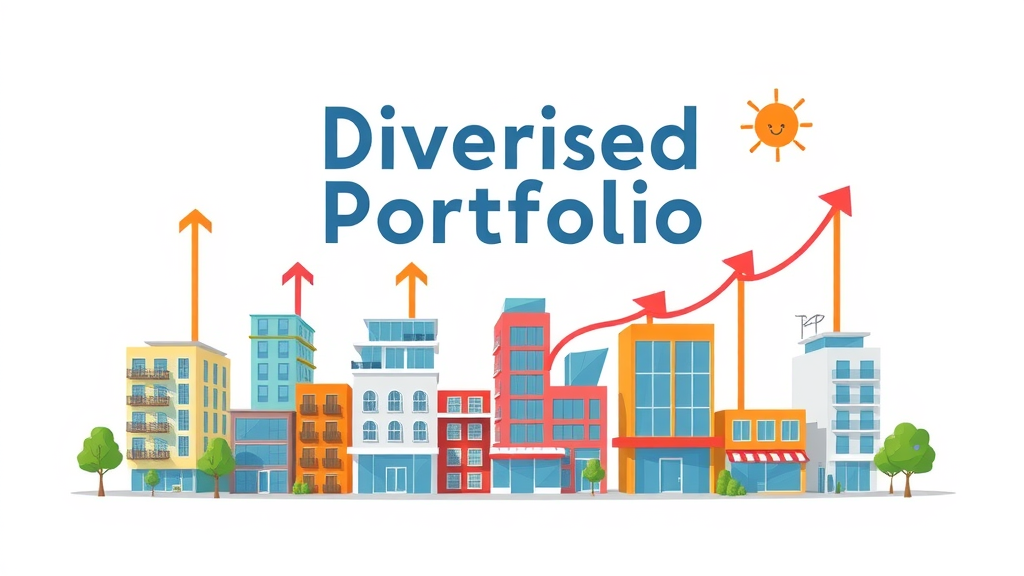
Through disciplined diversification, you set the foundation for substantial and sustainable wealth growth in your estate portfolio .
Risk management and return forecasting in estate portfolio management
“A proactive approach in risk management distinguishes the best real estate portfolio managers.”
Risk management is at the core of effective real estate portfolio management. Unlike single-property investing, a disciplined manager regularly assesses both current and emerging risks—economic downturns, interest rate spikes, regional disruptions—then pivots the portfolio’s composition accordingly. Top portfolio managers forecast returns with detailed cash flow models, stress test their assumptions, and use scenario planning to insulate returns from the unexpected.
Ongoing monitoring of key metrics—like cash flow, occupancy rates, and return on investment—enables managers to make data-driven decisions for rebalancing. By actively forecasting returns and identifying risk concentrations, you not only protect capital but position your real estate portfolio to seize opportunities when competitors are on the sidelines. In short, consistent risk management and performance review transform good portfolios into successful ones.
Key functions and roles: The real estate portfolio manager’s core responsibilities
What does a real estate portfolio manager do? Overseeing estate assets and performance measurement
- Asset acquisition: Sourcing, underwriting, and negotiating properties that fit the portfolio strategy.
- Performance analysis: Continuously tracking metrics such as cash flow, appreciation, and occupancy.
- Capital allocation: Deciding how and where to invest capital for optimal portfolio growth.
- Cash flow optimization: Enhancing income streams, strategizing expenses, and maximizing net returns.
- Investor reporting: Delivering clear performance reports to stakeholders and investors.

A top real estate portfolio manager is both strategist and tactician. They oversee estate asset acquisitions, conduct in-depth market trend analyses, and ensure each property enhances the overall performance of the portfolio. The manager blends asset management principles—like maximizing property value—with a CEO-level perspective, always considering the health and direction of the entire investment portfolio.
How portfolio managers add value to estate investment management
The true value of a professional portfolio manager lies in their ability to optimize returns through savvy asset allocation , continually assessing which assets to hold, upgrade, or sell based on performance and market trends. Their expertise in risk management translates into higher, more resilient profits—which is why working with an experienced manager is often the difference between average and exceptional results.
Portfolio managers also play a vital role in keeping investors informed and confident. Through transparent reporting and ongoing performance measurement, they demystify the investment process, highlight new opportunities, and ensure strategies remain in sync with changing investment objectives or market conditions. For anyone serious about growing an estate asset base and scaling real estate investments in a systematic, professional way, partnering with a seasoned estate portfolio manager is a strategic necessity.
Developing a real estate portfolio management strategy: Investment management frameworks that deliver results
Setting objectives: Aligning investment goals with portfolio strategy

A winning real estate portfolio management strategy begins by defining clear investment objectives—are you prioritizing long-term capital growth, reliable cash flow, or portfolio stability? These objectives influence all future decisions, from asset selection to risk tolerance and rebalancing schedules. Top portfolio managers regularly review objectives to ensure they align with evolving market trends, personal circumstances, and the broader estate plan.
Strategic clarity enables better forecasting, more precise asset allocation, and ongoing performance monitoring. By setting clear, realistic goals, investors create a north star that guides each portfolio management decision, ensuring consistency and boosting the likelihood of sustained, compounding returns over time.
Portfolio allocation: Balancing asset management, property types, and regions
Portfolio allocation is all about balancing different property types (such as residential, office, retail, or industrial) across diverse markets and economic environments. Diversification by region and property type shields your returns against market volatility, natural disasters, or sector-specific downturns. Proper asset allocation is a pillar of effective portfolio management; it provides built-in fail-safes for your estate investments.
Managers use both quantitative modeling and deep market knowledge to determine allocation mix. By spreading investments across growth cities, stable neighborhoods, and emerging opportunities, you minimize downside risk and maximize upside potential—essential in professional real estate portfolio management .
Active vs. passive real estate portfolio management
A critical decision in estate portfolio management is whether to take an active or passive approach. Active management involves hands-on selection, frequent adjustments based on market trends, and attempt to outperform benchmarks. Passive management seeks to match market performance with less portfolio turnover and often lower costs.
| Approach | Pros | Cons |
|---|---|---|
| Active Management | Potential for higher returns, responsive to market trends, hands-on risk management | Requires expertise & time, higher transaction costs, may introduce emotional bias |
| Passive Management | Lower operational costs, reduced workload, steady market-matching returns | Limited upside in outperforming benchmarks, less responsive to market changes |
Choosing the right approach depends on your time, expertise, and investment objectives. A hybrid strategy—actively managing core assets while passively holding diversified properties—often yields the best long-term results.
Advanced portfolio management tools: Technology and data in real estate investment management
Leveraging real estate asset management software and analytics

In today’s market, real estate asset management software and analytic tools are transforming the way investment managers operate. These technologies centralize portfolio data, automate performance tracking, and identify market opportunities or risks that might otherwise go unnoticed. With platforms like Yardi, RealPage, and custom analytics solutions, portfolio managers gain a real-time view of metrics such as occupancy, cash flows, and return on investment.
By integrating advanced analytics, managers streamline reporting, speed decision-making, and enhance risk management. Automated alerts, scenario modeling, and visual dashboards uncover trends and forecasts far beyond the reach of traditional spreadsheets—making tech-savvy management the new standard in real estate investment management .
Performance metrics for estate portfolio managers
The backbone of effective management is objective, ongoing measurement of each estate asset’s performance. Key metrics include cash-on-cash return, capital appreciation, net operating income, and IRR (Internal Rate of Return). Consistently monitored and professionally reported, these metrics empower managers to spot underperformance early, pursue new opportunities swiftly, and align the real estate portfolio with the long-term investment objectives.
Utilizing technology ensures accuracy and speed in aggregating data from multiple assets. This makes it easier to compare performance across property types, locations, and investment periods—giving both managers and investors the insights needed to take decisive action at the right time.
People Also Ask: Frequently searched questions about real estate portfolio management
What is a portfolio management in real estate?
- Real estate portfolio management is the process of strategically managing a collection of real estate assets to maximize value, optimize returns, meet investor goals, and control risks. Unlike asset management, which focuses on individual properties, portfolio management considers the interplay between properties to ensure overall success.
What is the 7% rule in real estate?

- The 7% rule in real estate means that 7% of agents handle 93% of real estate transactions. For investors, this emphasizes the importance of working with top-performing professionals who demonstrate strategic thinking and dedication—qualities that also drive success in portfolio management.
What are the 4 types of portfolio management?
- Active portfolio management
- Passive portfolio management
- Discretionary portfolio management
- Non-discretionary portfolio management
Each approach offers different benefits and is applicable depending on the investor’s objectives and resources.
What is the real estate portfolio management strategy?
- A real estate portfolio management strategy involves setting investment objectives, diversifying assets, ongoing risk management, monitoring performance metrics, and regular rebalancing to optimize returns based on changing market conditions.
Common challenges in real estate and estate investment management: Solutions for portfolio managers
Navigating market volatility and risk management in real estate investment

Market volatility is inevitable in real estate investment. Successful portfolio managers monitor market trends , assess how economic events impact each asset, and adjust strategy accordingly. They hedge against risk through portfolio diversification, conservative leverage, and continuous scenario planning. A disciplined approach to risk management helps investors avoid outsized losses and capitalize on recovery opportunities faster than competitors.
Even the best-run portfolios face unexpected headwinds. Proactive managers respond by reallocating capital, renegotiating leases, or seeking properties in markets poised for resilience. They use analytics and performance dashboards to make swift, informed moves that protect estate assets while positioning the portfolio for future growth.
Scaling your real estate portfolio: From single properties to a diversified estate portfolio
Transitioning from a single-property investor to managing a diversified estate portfolio requires a mindset shift and adoption of professional best practices. Start by defining your investment objectives and expanding your network of trusted advisors and partners. Gradually build confidence through smaller acquisitions, then ramp up to multiple assets and markets. Leverage technology for performance measurement, risk management, and cash flow optimization as your portfolio grows.
Consistently monitoring returns, learning from experienced asset managers, and regularly rebalancing your holdings will help you overcome complexity and achieve the scale needed for lasting wealth. Remember: every portfolio manager began with a single property—the difference is persistence, continuous learning, and strategic diversification.
Case study: Successful real estate portfolio managers in practice
“Success in real estate portfolio management is the result of disciplined strategy, risk mitigation, and a commitment to investor objectives.”
Take the example of a leading portfolio manager overseeing a $50 million diversified estate portfolio. By prioritizing data-driven decisions, actively rebalancing asset types, and frequently engaging with investors, this manager achieved consistent double-digit returns across changing market trends. The strategy combined acquisition of stable income-generating properties with opportunistic plays, performed rigorous risk evaluation, and employed advanced management software for performance tracking.
The lesson: Success comes not from a single property or hot market, but from disciplined processes, continual education, and a relentless focus on portfolio optimization. Following this blueprint can accelerate your journey from small investor to industry leader.
FAQ: Real estate portfolio management and investment management best practices
How do estate asset managers differ from portfolio managers in real estate?
Estate asset managers focus on the operational optimization, leasing, and maintenance of individual properties, targeting maximum property-level performance. In contrast, real estate portfolio managers oversee the strategic allocation, performance measurement, and risk management of an entire portfolio, ensuring all assets collectively drive toward the investor's broader goals.
What tools and metrics should real estate investment managers use?
Top real estate investment managers utilize asset management software, financial modeling tools, and analytics dashboards to track cash flow, net operating income, IRR, and occupancy rates. These tools enable consistent monitoring, benchmarking, and decision-making to maximize portfolio performance and manage risk efficiently.
Key takeaways for aspiring real estate portfolio managers and investors
- Strategic planning and diversification are non-negotiable in estate portfolio management.
- The role of portfolio managers is central to optimizing performance and managing risks.
- Leveraging technology elevates investment management efficacy.
Ready to build passive income through real estate portfolio management?
- Interested in Building Passive Income Through Real Estate? Contact us now and begin your journey toward financial freedom with personalized training!




Write A Comment