Did you know: Nearly 46% of all Google searches are seeking local information . That’s millions of customers searching for small businesses just like yours every single day. Mastering local SEO for small businesses isn’t optional anymore—it’s the key to dominating your local market, driving foot traffic, and ensuring your business gets found when it matters most. If you’re ready to outpace big brands and competitors in your neighborhood or city, this guide will show you every step to much higher local rankings and real, sustained local growth.
Why Local SEO for Small Businesses Matters More Than Ever
Online discovery makes or breaks small businesses today. Local SEO for small businesses ensures your shop, restaurant, office, or service shows up when someone nearby asks Google for recommendations. As more customers turn to mobile devices for instant needs, your visibility in local search results translates directly into more calls, store visits, and transactions. With digital competition rising and large chains using local campaigns, local search visibility has become the ultimate battleground and opportunity for small businesses.
By focusing on a smart local SEO strategy , you not only boost your site traffic but also grow your credibility and reputation among potential customers in your community. There’s never been a better—or more critical—moment to invest in local search engine optimization.
Startling Local SEO Facts Every Small Business Owner Should Know
- 78% of local mobile searches result in offline purchases within 24 hours.
- 86% of consumers use Google Maps to locate local businesses.
- Nearly 92% of searchers pick businesses on the first page of local search results.
- 76% of people who search for something nearby visit a business within a day.
- “Near me” type searches have grown over 500% in the past two years.

Understanding The Role of Local SEO in Local Search Results
- A local bakery refines its online listings, shows up at the top of local search, and sees a 60% jump in weekend foot traffic.
- An auto repair shop adds structured data to its website and begins capturing more calls from Google’s “call now” feature in search results.
- A new coffee shop earns dozens of glowing reviews, boosting its Google Business Profile and outranking national competitors for "best coffee near me."
What You’ll Gain from Mastering Local SEO for Small Businesses
- Discover the essential components of a successful local SEO strategy
- Unlock proven tactics to optimize business profiles and Google listings
- Learn advanced keyword research tailored for local ranking
- Understand search engine optimization for maximum local search results
- Expansion tips for local businesses competing against big brands

Decoding Local SEO: Key Concepts and Terms for Small Businesses
Local SEO Basics and the Anatomy of Local Search
- Definition and scope: Local SEO for small businesses means optimizing your online presence to appear in search engines for geographically related searches—think “plumber near me,” or “best bakery in [city].” It covers profiles, reviews, maps, websites, citations, and much more.
- Key features: When a potential customer searches, results show the “local pack” (map with top three businesses), map results, then organic (standard) listings. Ranking in the local pack multiplies your visibility and drives more foot traffic and calls from your target community.
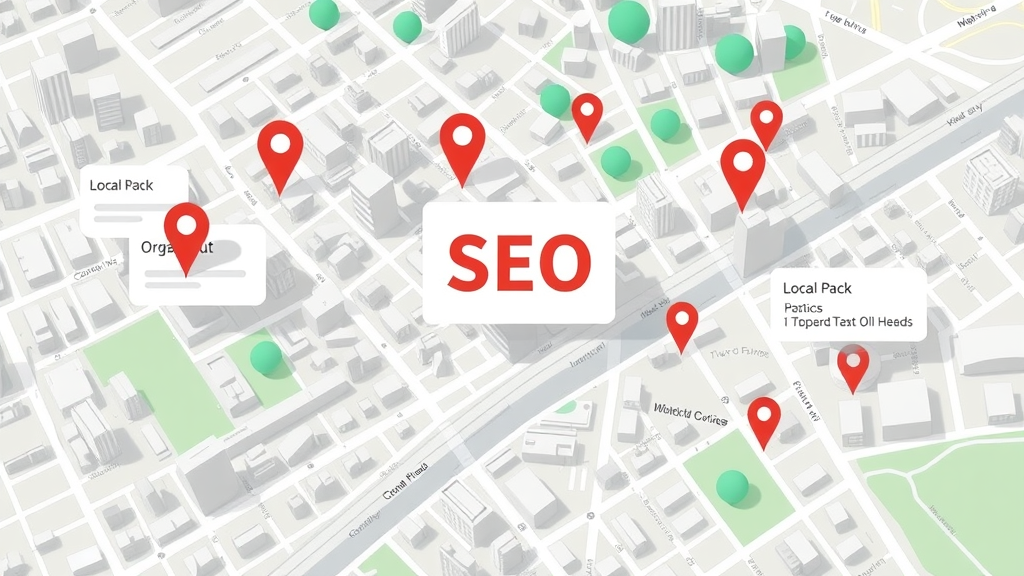
Search Engine Optimization vs. Local SEO: What’s the Difference?
- Traditional search engine optimization (SEO): Targets broad search terms like “digital marketing tips,” optimizing for national or global reach.
- Local SEO zeros in on searches with local intent, like “digital marketing agency San Diego,” and includes details like address, maps, and reviews for precise targeting and conversion. Small businesses succeed when they combine both—but local SEO delivers more immediate, high-intent leads from the local market.
Top Benefits of Local SEO for Small Businesses and How It Boosts Local Rank
- Visibility and branding: Local SEO gets your small business in front of high-intent customers, increasing brand trust and recall.
- Foot and site traffic: Data shows most customers physically visit or contact a business after finding it through local search results—fueling real-world and digital growth.
- Growth edge: Local SEO levels the field for small businesses to compete with big national players, starting with their own neighborhoods.
“Businesses that rank in the top 3 local pack spots receive over 60% of all local search traffic.” — Local Marketing Institute
Building a High-Impact Local SEO Strategy for Small Businesses
Step 1: Strategic Keyword Research for Local Businesses
- Find the right local keywords: Use city, neighborhood, or landmark names plus your service (e.g., “emergency plumber Downtown LA”). Long-tail variations like “open late pizza Mira Mesa” signal strong intent and boost your local SEO ranking.
- Understand customer intent: Consider what your potential customers search in urgent, research, or buy-now modes. Use tools below to drill down on which local keywords match real search demand and competitor presence.
| Tool | Pros | Cons |
|---|---|---|
| Google Keyword Planner | Free, direct search volume, good for local keyword ideas | Basic; lacks competitor data |
| SEMrush | Comprehensive analytics, local breakdown, competitor tracking | Expensive for small businesses |
| Ahrefs | Accurate keyword difficulty, tons of local SEO suggestions | Learning curve, premium cost |
| Ubersuggest | Affordable, simple interface, location-based keyword research | Limited deep drill-down for nuanced markets |

Step 2: Optimizing Your Google Business Profile for Maximum SEO Ranking
- Claim and verify your Google Business Profile (GBP): This is your single most important asset for local SEO ranking. Accurate business info (name, address, phone number, hours, website link, categories) means your business appears in maps and “near me” searches.
- Enhance your profile with high-quality photos, up-to-date service descriptions, current hours, and regular posts. The more complete and active your GBP, the more trust you gain from both Google and customers.
- Review management: Respond promptly and professionally to customer reviews—positive and negative—for an authentic, reliable online presence that drives calls and foot traffic.

Step 3: On-Page SEO for Local Businesses—Making Your Website Local-Search Ready
- Use localized keywords in all on-page SEO elements: Place city and neighborhood names in page titles, headings, meta tags, and throughout content. Don’t over-stuff—keep it natural and user-focused.
- NAP consistency: Your Name, Address, and Phone number should be absolutely identical everywhere—on your website, Google Business Profile, and online directories. Inconsistent NAP details can severely hurt your local SEO ranking.
- Structured data: Add local business schema (structured data markup) so search engines easily understand and display your business info in rich results (stars, maps, reviews).
Step 4: Leveraging Local Business Citations and Backlinks for Enhanced Local Rank
- Local citations: Get your business listed on reputable directories (Yelp, TripAdvisor), industry associations, and local business groups. Each accurate mention of your business builds authority and trust with search engines.
- Earn backlinks: Write local guest posts, join community sponsorships, and ask for local press coverage to naturally attract trusted backlinks. These links improve your site’s authority, further boosting your local SEO ranking.
Google Business Profile: A Small Business Owner’s Essential Tool
Effective Google Business Optimization: Tips for Small Businesses
- Make sure every detail—your address, phone number, business hours, services, and website—is accurate and up to date.
- Upload recent photos and respond to questions. Stand out by creating regular GBP posts about offers, events, or holidays.
- Optimize for relevant business categories and specific attributes (e.g., "woman-owned," "pet-friendly").
Encouraging Customer Reviews to Improve Local Rank
- Politely ask happy customers in person or via email to leave reviews on your Google Business Profile and Yelp. Offer clear instructions and direct links for easy action.
- Respond publicly to reviews, thanking customers or addressing concerns. Engaged businesses rank higher because reviews signal trust to both Google and potential new customers.
- Share positive reviews in your marketing. Celebrate feedback and show your community connection to win more business and strengthen your profile across search results.

Local SEO Content Tactics: Outranking Your Local Competitors
Content Creation Ideas for Local Business SEO
- Write hyper-local blog posts related to your neighborhood, city events, or community guides. This establishes your local authority and increases relevance for local keywords.
- Develop location-targeted landing pages for each area you serve. Include customer stories, local photos, and map embeds to boost every page’s chances of ranking in local search.
- Feature local partnerships, sponsorships, or interviews—this enriches your content and attracts more hyper-local backlinks.

Optimizing for Voice Search and Mobile Users in Local SEO Strategy
- 60% of local searches now happen on a mobile device. Ensure your site is mobile-friendly, loads fast, and clicks-to-call or get directions are immediately visible.
- Write content in a conversational, question-based style to match the way people speak into voice assistants. Include queries like, “What’s the best pizza near me?” for maximum voice search visibility.
- Use structured data to help search engines identify your location, hours, and contact info for voice and mobile results.
Local Links and Citations: Accelerate Your Local SEO Ranking
Best Places to Build Local Business Citations
- Submit your small business info to industry directories, city “Best Of” lists, and local chamber of commerce directories.
- Partner with local non-profits, join networking groups, and get listed in association directories—these citations build local relevance and trust.
- Check for accuracy and regularly update your data to maintain consistent NAP (name, address, phone) signals across the web.

How Backlinks Drive Authority for Small Business Local SEO
- Case study: A florist partners with a local event venue and writes guest content for their blog. The resulting backlink lifts her homepage into the local pack for “wedding flowers [city].” Result: more inquiries and bookings.
- Consistent, high-quality local backlinks reflect real-world relationships—and search engines reward trusted local businesses with higher local SEO ranking.
“Quality local citations remain a foundational trust factor for local SEO.” — MOZ’s Local Search Ranking Factors
Tracking Your Local SEO ROI: Metrics That Matter to Small Businesses
Key Performance Indicators for Local SEO Strategy Success
| KPI | Purpose | Why It Matters |
|---|---|---|
| Local Search Visibility | Measures how often your business appears in Google Maps/local searches | Shows progress in overall market presence |
| Website Clicks | Counts clicks from map/profile listings to your website | Indicates traffic flow and lead opportunities |
| Phone Call Tracking | Counts direct calls made from ‘call’ buttons on Google Business | Tracks tangible prospect engagement |
| Direction Requests | Counts how often searchers ask for your address/directions | Directly correlates to physical foot traffic |

How to Use Google Analytics and Google Search Console for Local Businesses
- Set up Google Analytics and Search Console for your website. Track site traffic, user paths, and which pages convert best for your local market.
- Monitor Google Business Insights for data like calls, map requests, and profile visits. Adjust your local SEO strategy based on peaks and valleys in user engagement.
- Use UTM codes to track which campaigns bring in local leads and measure phone number clicks, contact form fills, or specific sales tied to your local search efforts.
Mistakes to Avoid: Common Local SEO Pitfalls for Small Businesses
- Inconsistent NAP info: Small changes in how your name, address, or phone number appears online confuse search engines and can tank your local SEO ranking.
- Irrelevant keywords: Avoid broad, generic keywords; instead, double down on local keywords and real customer language.
- Google Business Profile neglect: Leaving your profile incomplete or not responding to reviews drops your local pack appearance and loses potential customers.
“The fastest way to lose your local rank is neglecting your Google Business Profile.” — BrightLocal

Advanced Local SEO Strategy: Outpacing Local Rivals
Localized Link-Building Tactics for Small Businesses
- Sponsor local events, charities, or school teams to earn news mentions and event backlinks.
- Pitch stories to local press and engage in community projects to generate positive publicity with trusted media site links.
- List your small business as a resource on neighborhood guides or city sites, increasing relevance and authority.
Using Structured Data for Enhanced Local Search Engine Optimization
- Implement schema markup (local business schema) on your website so search engines can display operating hours, location, and reviews in rich snippets.
- Structured data boosts your local visibility, especially for voice searches and mobile device users.
- Free plugins and validators make it easy—even for non-tech business owners—to add and check these SEO improvements.
Choosing a Local SEO Specialist: When to Hire and What to Expect
- Ask for case studies and specific results when considering a local SEO agency or consultant. Questions should focus on their experience in your local market and how they tailor strategies.
- Effective local SEO specialists provide a roadmap, regular reporting, NAP audits, review management, citation building, and on-page SEO enhancements.
- Compare services and costs for DIY, agency, and consultant solutions below.
| Solution | Cost | Pros | Cons |
|---|---|---|---|
| DIY | $0–$100/month (tools) | Full control, low cost, steady learning | Time-consuming; steeper learning curve |
| Agency | $500–$2,000/month | Expert oversight; done-for-you strategies; scalability | Expensive, possible lack of hyper-local nuance |
| Local SEO Consultant | $100–$500/hour or project-based | Custom, local market expertise; on-demand support | Limited scope; variable costs |
Video: Step-by-Step Guide to Local SEO for Small Businesses
- Visual walkthrough covering keyword research, setting up Google Business Profile, and NAP consistency tips.
Video: Real Small Business Local SEO Success Stories
- Interviews and before/after analytics from local business owners who improved their local SEO ranking.
People Also Ask
Is SEO worth it for local businesses?
- Absolutely—effective local SEO improves visibility, delivers a direct pipeline to qualified customers, and provides measurable ROI. With over half of all web searches having local intent, skipping local SEO means missing out on the majority of your most motivated potential customers.
How much should I pay for local SEO?
- Local SEO costs vary. DIY can cost under $100/month in tools; professional small business SEO services typically run $500–$2,000/month, depending on market size, competition, and deliverables. Consultants may bill $100–$500/hour or per project. Invest according to your growth stage.
How to do SEO for local businesses?
- 1. Claim your Google Business Profile. 2. Ensure NAP consistency everywhere. 3. Research local keywords and optimize web pages. 4. Build local citations in directories. 5. Encourage and respond to customer reviews. 6. Track KPIs and adjust your local SEO strategy monthly.
Is local SEO worth it?
- Yes—local SEO delivers instant, measurable visibility for small businesses. Expect more calls, more in-person visits, and faster brand growth. As "near me" searches keep rising, local search engine optimization only becomes more vital for ongoing business health.
FAQs on Local SEO for Small Businesses
- What are citations in local SEO? Citations are online mentions of your business’s name, address, and phone number on directories, websites, and social networks. They verify your legitimacy and authority in the local market.
- How does Google determine local business rankings? Google uses distance, relevance, and prominence. Optimizing your business profile, earning strong reviews, and maintaining consistent citations moves you up local search results.
- Do reviews really impact my local search engine ranking? Yes—positive, frequent reviews boost your credibility and can increase your position in the local pack, directly influencing customer trust and conversions.
- How often should I update my business profile? Check and refresh your Google Business Profile monthly or with any notable change (hours, services, special events) to keep SEO signals strong and accurate.
Summary of Local SEO for Small Businesses: Main Key Takeaways
- Local SEO is a primary driver for small business growth and local ranking.
- Continual updates and monitoring are required for sustained success.
- Optimization must be holistic—encompassing content, citations, technical structure, and profiles.
Unlock Cross-Border Success: Elevate Your Local SEO for Small Businesses Today
- Doing business in SD or TJ? Let’s build a digital strategy that works on both sides of the border.” 📞 “Book your binational marketing consultation — 100% free.”
Ready to dominate your local market? Start optimizing your digital presence, tackle your local SEO strategy step by step, and watch your business rank higher—online and off!
To enhance your understanding of local SEO for small businesses, consider exploring the following resources:
-
“Local SEO tips for small businesses” : This article provides practical steps to boost your local search ranking, including setting up your Google Business Profile, managing reviews on local rating sites, and localizing your website. ( bdc.ca )
-
“How to Succeed with Local SEO for Small Businesses” : This guide outlines eight core strategies for local SEO success, such as claiming and filling out your Google Business Profile, conducting local keyword research, and optimizing your website for local search. ( digivate.com )
These resources offer actionable insights to help you improve your local search visibility and attract more customers in your area.




Write A Comment