Did you know that over 72% of global internet users are exposed to digital media content curated—or filtered—by government, big tech, or powerful corporations? Far too often, what you see isn’t as independent as you think. True digital media independence is the cornerstone of free societies, credible news reports, and public trust. If you’re ready to uncover what media freedom really means, how to get it fast, and why it matters now more than ever, you’re in the right place. Get ready to cut through the noise and build media authority that genuinely stands apart.
Seizing Digital Media Independence: Why Freedom Matters More Than Ever
- Startling Fact: More than 72% of global internet users are exposed to digital media content shaped by government, big tech, or corporate entities—far from real digital media independence.
Digital media independence is more than a buzzword—it's the bedrock of press freedom and genuine, unbiased media coverage. In an age where information flows from countless sources, the ability to access independent media is a fundamental right. Yet, as corporations and state media tighten their control, it becomes increasingly difficult to distinguish truth from narrative, fact from spin. The result? Consumers are bombarded with filtered news reports shaped for specific interests and not for the public good.
The impact is global. In some parts of the world , especially under authoritarian regime influences, state media control has eroded press freedom almost entirely. Even in countries held as beacons of free speech, algorithmic suppression and commercial media ownership dilute independent voices. From Latin America to Europe, the struggle for media freedom continues. That’s why securing true digital media independence equates to empowering the public, safeguarding democracy, and ensuring the diversity of narratives that a healthy civil society demands.

Defining Digital Media Independence: From Press Freedom to Independent Media
Before you can break free, you need to know what you’re aiming for. Digital media independence means that an individual, organization, or media outlet can produce, distribute, and amplify content without undue influence from state media , corporations, or other third parties. The essence is the ability to tell stories rooted in fact and public interest, free from the agendas imposed by powerful entities or market forces .
Critical to this independence is media freedom , encompassing editorial independence, financial autonomy, and the safeguarding of journalists’ rights. True independence doesn’t merely mean surviving without government intervention; it means thriving without relying solely on advertising revenue from a handful of media companies or platforms that can—and often do—skew reach and reward. For modern news media , public media , and independent journalism initiatives, breaking away from legacy structures is vital to keep public discourse robust and trustworthy.
What does it mean to be media independent?
To be media independent is to operate without the financial, editorial, or algorithmic strings of state media or large tech platforms. It centers on editorial independence : the freedom to research, write, and publish news reports based solely on evidence and public interest. It’s about having full authority over your platform—your content, your narrative, your business model—resisting subtle and overt pressures from media owners or vested interests. In essence, media independence is the engine of media freedom and a prerequisite for press freedom in today’s digital landscape.

Exploring Types: The Five Categories of Digital Media and Achieving Digital Media Independence
Not all digital media are created equal—understanding the main types is crucial for achieving media independence . While each plays a distinct role in the modern news media ecosystem, not every type offers the same level of control or freedom. Let’s break them down.
- Owned Media: Websites, blogs, media hubs
- Earned Media: News reports, press coverage
- Shared Media: Social media, public media
- Paid Media: Digital ads, influencer partnerships
- Hybrid Media: Combination of the above for robust media freedom
What are the 5 types of digital media?
Owned media refers to platforms where you control the message: your own website, blog, podcast, or even media hub. It’s the cornerpiece of any media independence strategy. Earned media comprises coverage you “earn” through third-party news reports—think features in reputable online or offline publications. Shared media is content you distribute and syndicate across social media or public media channels. Paid media encompasses everything from Google Ads to sponsored influencer posts. Finally, hybrid media leverages all these dimensions for comprehensive freedom. Each type has trade-offs in terms of reach, editorial independence, and audience trust.
| Type | Description | Degree of Independence | Examples |
|---|---|---|---|
| Owned | Brand-owned platforms | Highest | Brand blogs, media sites |
| Earned | Gained via reputation | Moderate | News reports on brands |
| Shared | User-driven/social platforms | Variable | Facebook, Twitter |
| Paid | Purchased reach | Low | Google Ads, sponsored posts |
| Hybrid | Multi-style platforms | High | Content partnerships |
Why Is Digital Media Independence Critical for Press Freedom and Media Freedom?
Press freedom and media freedom are essential pillars of democracy, public service, and social progress. When digital media independence falters, so does our access to credible information and public debate. In every healthy society, independent journalism empowers citizens , scrutinizes those in power, and provides a counterweight to state control and corporate agenda .
The risks of lacking media independence can’t be overstated. Diminished freedom breeds mistrust, spreads misinformation, and lets authoritarian powers manipulate public perception. As the landscape of news media evolves, upholding press freedom within the digital sphere becomes both harder and more urgent. In 2024, with ongoing threats from both state media and powerful media owners , standing guard over independent voices is a matter of public interest and civic duty.
Why is the independence of media important?
The independence of media ensures that news reports, investigations, and content are driven by truth—not censorship, self-censorship, or outside influence. Without independence, media outlets , whether online media or public media, are at risk of becoming mere megaphones for service media or narrow interests. Independent journalism encourages transparency, holds the powerful accountable, and reflects the diversity of society. This is why media freedom is more than a privilege—it is the heartbeat of democracy and public trust.
"Where press freedom fails, democracy slips quietly into the shadows." – Anonymous media advocate
The Dangers of Losing Digital Media Independence: State Media and State Control
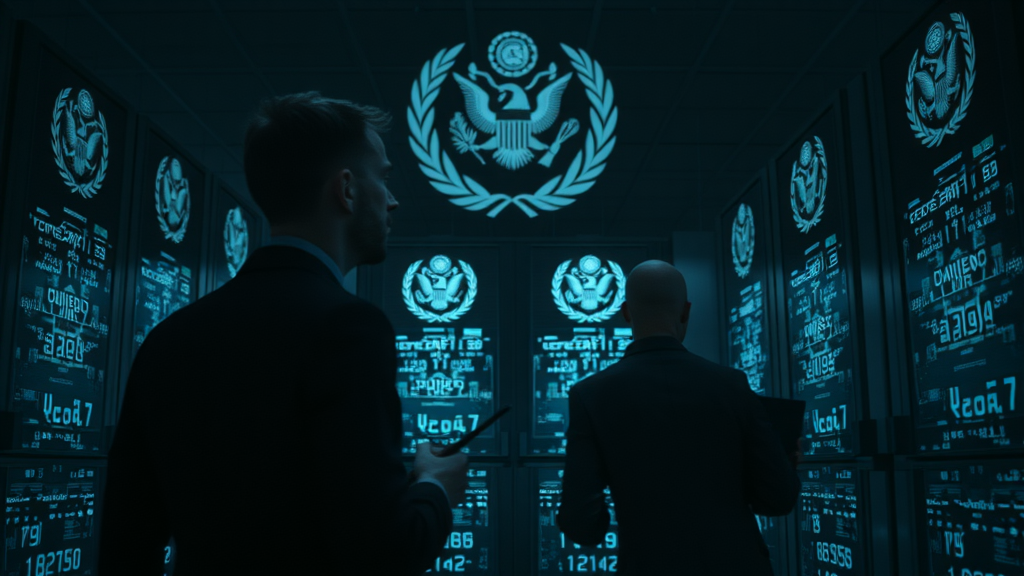
When media outlets surrender their editorial independence to state control or commercial pressure, they cease to serve the public interest. Instead, information gets filtered, narratives are twisted, and vital perspectives—especially dissenting voices—are systematically suppressed. In parts of the world with a strong authoritarian regime , state media holds a monopoly over news and investigation, shaping public consciousness to suit its agenda.
But control isn’t always blunt or obvious. Algorithmic censorship on social media platforms, targeted suppression of independent journalism, and preferential amplification of state-sanctioned narratives all stifle free expression and distort reality for millions. The less visible the mechanisms, the greater the risk to press freedom —and to the very foundation of democratic society.
Media outlet autonomy in the crosshairs
- Increased state and corporate control
- Algorithmic censorship on social media
- Loss of independent media voice
- Reduced public media trust
- Threats to unbiased news reports
Autonomous media outlets face constant pressure—be it subtle funding constraints, overt policy interference, or indirect manipulation via algorithmic changes in news distribution . As these pressures mount, genuine voices are drowned out, and audiences receive not the truth, but a carefully constructed version of it. The only way forward is relentless transparency, coalition-building, and unwavering commitment to independent journalism .
How to Break Free: Proven Strategies for Fast Digital Media Independence
- Develop your own media outlet and website
- Adopt a diversified business model for sustainability
- Harness public media and independent networks for distribution
- Maintain strict editorial guidelines for unbiased news reporting
- Leverage social media for amplification—without relying solely on third-party control
Gaining digital media independence is both strategy and mindset. Start by building your own owned media outlet —a website or media hub where you control every word and pixel. Next, diversify your business model : mix memberships, grants, and advertising (kept apart from editorial decisions). Collaborate with public media and other independent media organizations for broader reach and resilience.
A rigorous code of editorial independence ensures credibility. Use social media for amplification, but do not become dependent on any one platform; algorithmic changes or policies can undercut your reach overnight. True independence means safeguarding your distribution, your funding, and—most importantly—your voice.

Case Studies: Media Outlets That Achieved Digital Media Independence
Real-world examples prove that media independence is both achievable and sustainable. By analyzing industry leaders who have redefined business models and editorial strategies, other publishers can chart a path to true freedom. Some media outlets have thrived by shifting to digital-first, supporter-based funding, while others are funders of independent verification and non-profit work.
- The Independent (UK): Thriving post-print via digital-first, audience-funded model
- ProPublica: Leading example of non-profit journalism and press freedom
- Quartz: Agile digital media outlet with global reach
Each of these organizations demonstrates unique approaches: whether through reader memberships, philanthropic backing, or an agile newsroom model. Despite market forces and evolving technology, they have built and sustained trust, audience loyalty, and editorial authority by staying true to media freedom and adapting quickly to digital disruption.
| Media Outlet | Origin | Independence Strategy | Current Status |
|---|---|---|---|
| The Independent | UK | Digital transformation, supporter model | Profitable, global |
| ProPublica | USA | Philanthropic funding | High trust, award-winning |
| Quartz | USA | Lean digital-first newsroom | Rapid growth, global |
"True digital media independence is about owning your platform and your narrative—nothing less."
Transitioning from Legacy Media to Digital Media Independence
- Audit your current media outlet’s reliance on state or corporate funding
- Set clear goals for media freedom and editorial integrity
- Implement robust digital content strategies and SEO for reach
Moving from traditional, legacy media structures to digital media independence requires introspection, vision, and decisive action. Start by closely examining your media outlet's financial ties and editorial dependencies—are you too reliant on state media support or a handful of big advertisers? Pinpoint vulnerabilities, then commit to measurable goals: expand editorial independence , reinforce ethical publishing, and foster transparency in all news reports .
An effective transition hinges on adopting technological tools—SEO, social distribution, and analytics—to grow influence without losing your voice. For public service media looking to evolve, collaboration across independent and public platforms can safeguard both media freedom and long-term relevance. In every case, the guiding principle must always be the public interest.

Choosing the Best Business Model for Sustaining Digital Media Independence
- Subscription and membership programs
- Philanthropic support and grants
- Advertising with strict editorial separation
- Hybrid revenue streams
A sustainable business model is the backbone of media freedom. Subscription and membership models foster direct relationships with readers and ensure a more predictable revenue stream. Philanthropic grants or support from civil society can also insulate independent media from commercial or state interference. When accepting advertising, media outlets must maintain ironclad boundaries between editorial and commercial interests. Increasingly, publishers are turning to hybrid revenue streams , blending these models for resilience.
The critical factor? Transparency. Audiences support outlets that disclose funding, partnerships, and policies. This level of honesty, paired with a strong mission, breeds trust and allows for true editorial independence . In a volatile advertising market , innovative models are not a luxury—they’re a necessity for digital media independence .

Building Trust in Your News Report: Media Freedom and Audience Authority
- Publish transparent editorial standards
- Disclose funding sources and partnerships
- Engage audiences in content creation
- Proactively address misinformation and corrections
Establishing trust is integral to lasting media freedom . By publishing clear editorial guidelines and openly stating who funds the operation, media owners remove the veil that so often breeds skepticism. Modern news reports should provide avenues for audience feedback, collaboration, and content suggestion. Inviting real dialogue boosts not only engagement but also credibility.
No outlet is perfect, but correcting errors quickly and with transparency sets independent journalism apart from legacy or state media . Those that proactively tackle misinformation foster an informed audience—one that trusts the platform and prizes its independence.
The Role of Social Media and Public Media in Championing Digital Media Independence
- Use diverse social media to reach untapped communities
- Partner with like-minded public media outlets to amplify press freedom
- Balance the immediacy of breaking news reporting with in-depth investigative coverage
Social media can be a double-edged sword—both an amplifier of independent thought and a gatekeeper shaped by algorithms. To maximize digital media independence , outlets must not only use multiple platforms but also cultivate loyal followings outside them (such as through email, podcasts, or owned apps). Public media, by its nature, is designed to serve the public interest and can scaffold small independent media initiatives.
The partnership between public media and private outlets is often where real breakthroughs in investigative journalism, media freedom , and audience empowerment happen. For every hard-hitting news report or in-depth investigation , balance quick, breaking coverage with more thoughtful, detailed storytelling. It’s this diversity—and adaptability—that ensures independence in an age of constant digital flux.

The Independent Media Movement: From Advocacy to Action
- Join independent media networks and coalitions
- Share resources and cross-promote independent outlets
- Educate the public on the importance of media independence and media freedom
Only by working together can independent media organizations counter the influence of large state media or powerful commercial players. Networks, coalitions, and alliances unlock resources, amplify important news reports , and set shared standards for media freedom . Educating the public is equally vital: the more the audience understands the risks of manipulated content, the more likely they are to value—and support—true media independence .
When independent outlets cross-promote each other’s work, they foster a robust ecosystem resilient to censorship and algorithmic manipulation. Advocacy quickly becomes action, and every publisher, journalist, and engaged citizen becomes a safeguard for press freedom.
Common Misconceptions on Digital Media Independence, Media Freedom, and Press Freedom
- Myth: All digital content is free from bias Reality: State control and tech platforms still shape the digital narrative
- Myth: Social media means independence Reality: Platform algorithms can suppress independent voices
The move to digital hasn’t miraculously rid the world of media bias—quite the opposite. Algorithms, policy changes, and even human content moderators steer conversations and silence outliers. This is particularly problematic for media outlets attempting to challenge state control or corporate messaging. Audiences must recognize that social media isn’t always synonymous with editorial independence —the gatekeepers just look different. The real path to media freedom is a blend of vigilance, strategic platform use, and continual investment in owned media . Only then can truly independent news reports thrive in the digital age.

PAA: What type of media is the independent?
Independent media encompasses outlets and platforms with no controlling stake held by state or major corporate interests. These can be small news websites, nonprofit public service journalism organizations, podcasts, independent blogs, or even community-run newspapers. What unites them is editorial independence , public service orientation, and transparent funding practices. In short, independent media is not defined by size, but by values and integrity in news reporting.
Overcoming Barriers to Digital Media Independence: From State Control to Sustainable Models
- Combatting state media pressure with legal safeguards
- Building community support for long-term sustainability
- Leveraging global press freedom organizations for visibility
Achieving media independence often means overcoming systemic barriers: restrictive laws, political pressure, and limited resources. Implementing strong legal frameworks—access to information laws, whistleblower protection—and connecting with global press freedom organizations bolsters resilience. Yet, no model is sustainable without real public buy-in.
Cultivating loyal audiences—through storytelling, participatory experiences, or direct membership—reinforces community support for independent journalism. Global recognition also helps: awards or exposure from international media development organizations or civil society groups make it harder for state actors to silence a media outlet completely.
"Media freedom is not a luxury—it’s a necessity for truth and progress."
Emerging Technologies Empowering Digital Media Independence

- Blockchain-based publishing platforms for censorship resistance
- Decentralized hosting for greater media freedom
- AI-driven content personalization for independent media audience targeting
New technologies are reshaping the landscape of digital media independence . Blockchain platforms allow immutable, censorship-resistant publication, so even in environments hostile to press freedom, content persists. Decentralized hosting breaks dependence on single providers, reducing the risk of sudden takedowns or platform bans that plague traditional online media.
Artificial intelligence enables tailored experiences for loyal readers, helping media outlets compete with larger, resource-rich competitors. By leveraging these technologies, independent journalism outfits can scale faster, reach broader audiences, and insulate themselves from many forms of state control and market manipulation. The future of media freedom will be both digital and distributed—for those willing to adapt.
Addressing FAQs on Digital Media Independence, Media Freedom, and Press Freedom
- How does a media outlet maintain digital media independence? A media outlet upholds independence by diversifying revenue streams (subscriptions, grants, ethical advertising), maintaining clear editorial standards, and building direct relationships with its audience—never allowing a single sponsor, platform, or government source to dictate content.
- What are the legal threats to media freedom in 2024? Threats include restrictive media laws, increased government surveillance, libel or anti-fake news statutes misapplied to silence dissent, and opaque algorithmic policy changes by major platforms—each making true media independence harder to achieve.
- How can social media support truly independent media? Social media can amplify independent voices, drive engagement, and provide real-time distribution—especially during breaking news. However, outlets should avoid complete reliance, instead using it as one branch of a broader, multi-channel strategy for ongoing media freedom.
Next Steps: How You Can Support and Achieve Digital Media Independence
- Launch or support independent media outlets
- Participate in press freedom advocacy
- Educate others on the risks of state and corporate media control
- Champion business models that prioritize editorial and digital media independence
True change comes when individuals act. Whether by joining or supporting an independent outlet, advocating for policy reform, raising awareness about the dangers of unchecked media control, or simply subscribing to platforms that value transparency, every effort counts. Sustainable business models that remove editorial influence from funding sources create lasting, resilient media organizations .
Key Learnings for Modern Publishers and Content Creators
- True digital media independence requires both infrastructure and integrity
- A multi-channel approach protects against state control and algorithmic suppression
- Sustainable business models enable lasting media freedom
Lasting media independence isn’t just about building technology—it’s about building trust. Publishers must invest in infrastructure, employ multi-platform strategies, and prioritize sustainable, audience-driven business models. At every turn, let editorial independence and public service drive decisions.

Your Opportunity: Transform with Digital Media Independence
Ready to Launch Your Own Powerful Media Hub? Transform your content strategy, boost your authority, and captivate your audience with a tailored media site hub. Let’s chat today—I’ll walk you through exactly how a customized media hub can elevate your brand and supercharge your business growth! 👉 Message me now for your personalized walkthrough!
Start your journey by defining your values, auditing your dependencies, and investing in owned platforms—then share, collaborate, and innovate for genuine digital media independence.




Write A Comment