Did you know that brands with a strategic content publishing schedule see up to 3x higher audience engagement compared to those without a plan? The digital landscape is crowded, and every piece of content you produce needs to fight for attention. But what if you could unlock a proven formula that elevates your brand above the noise, maximizes engagement, and streamlines your workflow? In this guide, you’ll discover unconventional content publishing schedule hacks, expert strategies, and practical tools that will supercharge your marketing strategy—so every post you create hits its mark.
Unlocking Engagement: Surprising Truths Behind a Powerful Content Publishing Schedule
-
Did you know that brands with a strategic content publishing schedule experience up to 3x more audience engagement than those without? Discover the unconventional techniques that will supercharge your content strategy and maximize every piece of content you create.

How a Content Publishing Schedule Becomes Your Superpower for Social Media Success
A strong content publishing schedule is more than just a set of deadlines—it’s your organization’s playbook for social media domination. With a tailored schedule, you ensure your audience never misses a crucial social media post , and every team member knows exactly what’s coming up next. For example, brands that coordinate blog posts, videos, and stories on an integrated calendar see far higher engagement rates and avoid the chaos of last-minute content creation.
Think about your favorite brands on social media. Their presence feels consistent, timely, and in tune with what’s happening in their space. That’s not coincidence—it’s the result of a well-planned content publishing schedule woven into every level of their content strategy . With every piece of content mapped out and aligned with marketing goals , you can move the needle on engagement, build anticipation, and foster community across platforms.
Whether you’re a solo creator or part of a large marketing team , leveraging a robust content plan prevents duplicated efforts, keeps your message consistent, and provides tangible benchmarks to measure your success. In the following sections, you’ll learn how to move far beyond the basics—and transform your content publishing schedule into your brand’s ultimate superpower.
Defining a Content Publishing Schedule: Beyond the Basics
At its core, a content publishing schedule is your roadmap for all the content you will release across blogs, social platforms, newsletters, and more. But a true content schedule goes deeper—it brings order, consistency, and purpose to your marketing strategy. Instead of reacting to trends or scrambling to post, your team can focus on what matters most: creating meaningful, value-driven content tailored to your target audience .
Unlike a basic to-do list or a loose editorial outline, a comprehensive publishing schedule factors in the best times to post, content types that perform best, and optimal distribution channels for each media post . This allows you to amplify your content calendar , align with long-term goals, and ensure you utilize every piece of content efficiently. It also encourages your team members to collaborate better, reducing burnout and ensuring deadlines aren’t missed.
When you view each editorial calendar entry not as a one-off blog post, but as a building block in your ongoing content strategy , you move from chaotic posting to intentional engagement. This mindset shift is what separates top-performing brands from the rest of the pack.
Social Media and Content Calendar Synergy
Your social media calendar must work hand-in-hand with your overall content calendar to create a seamless user journey. It’s not enough to push out media posts in isolation—synergy means every message and campaign supports your core objectives. For instance, schedule your blog posts to coincide with Instagram or Twitter campaigns for amplified reach, or use calendar templates that integrate both platforms into one easy-to-manage workflow.
This alignment ensures no opportunities are missed and each piece of content receives the attention it deserves. A robust content calendar template can visually map out when to launch product announcements, cross-post videos, or host live Q&As for maximum impact. Teams that leverage this synergy improve productivity, simplify approvals, and create a consistent brand narrative—an essential part of any successful content marketing strategy.
The Editorial Calendar Edge: Streamlining Multiple Content Types
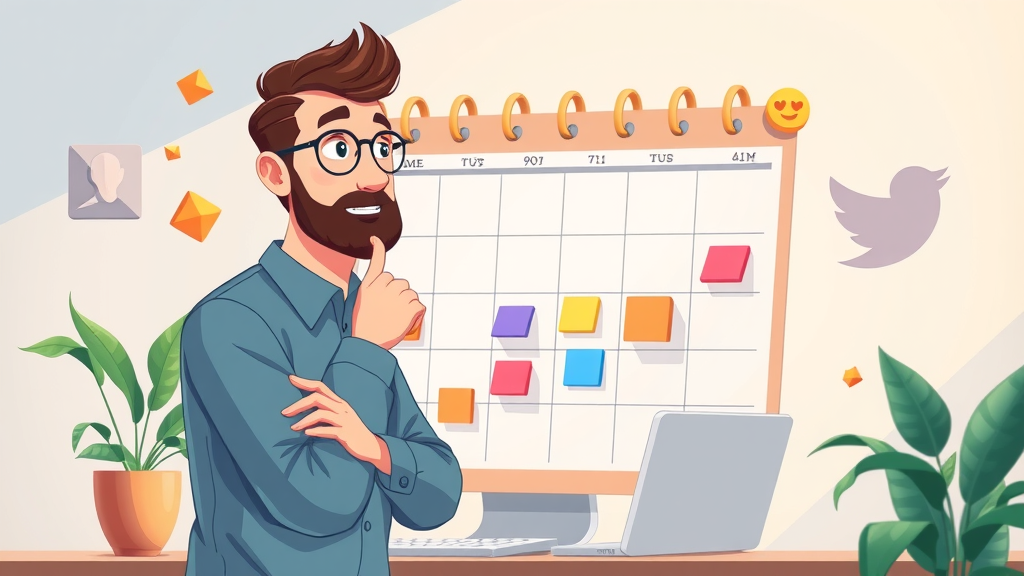
An editorial calendar brings structure to chaos, especially when managing different content types (blog posts, videos, newsletters, social media updates, and more). Streamlining multiple content types within a single calendar gives you a clear view of what needs to be created, edited, and published—keeping your content machine running smoothly.
Consider a business that recently went viral with a coordinated series of video posts and supporting articles. Their secret? A holistic editorial calendar that united video publishing, blog posts, and social media promotion. Through this workflow, they increased team accountability, minimized missed deadlines, and amplified audience touchpoints—proof of the exponential engagement possible when your content calendar strategy is fully integrated.
Every team member knows what type of content is coming up, who’s responsible for each task, and how it complements other marketing efforts. This not only boosts operational efficiency but ensures your audience experiences a steady stream of high-value, on-brand content.
-
Real-life examples of businesses transforming engagement through a content publishing schedule, including a viral social media post and improved editorial calendar workflows.
Mastering Content Calendar Templates: Your Guide to Flawless Planning
Choosing the Right Calendar Template for Your Brand
Not all calendar templates are created equal—and your choice can make or break your planning process. Some are built for large marketing teams juggling multiple channels, while others cater to solo content creators or small businesses. Explore options like Google Sheets , digital apps, or customizable spreadsheets to find the right fit for your goals and workflow style.
Consider templates that allow for easy drag-and-drop editing, multi-user collaboration, and seamless integration with your social media calendar tools. Review features such as deadline reminders, asset management, and built-in analytics. The right content calendar template not only helps you stay organized but also empowers your entire team to create, approve, and launch content within one unified dashboard.

Customizing Your Content Calendar Template for Maximum Engagement
Once you’ve picked your calendar template , adapting it for your brand’s unique needs is essential. Add custom columns for campaign goals, target audience segments, content status, and promotional channels. Build-in color coding for each content type (blogs, videos, stories, etc.) so anyone on your team can see at a glance what’s happening—dramatically improving project management and accountability.
Integrate automation features wherever possible—trigger reminders with Google Calendar or set up auto-publish for routine social media posts . By customizing your template, you make your content plan not just functional but proactive and responsive to real-time marketing opportunities, ensuring every piece of content is set up for engagement success.
Effective customization allows you to track performance down to each blog post or video, facilitating improvements and boosting ROI over time. This agility is what will ultimately keep you ahead of competitors and consistently engage your audience.
Integrating Content Types and Social Media Posts Into Your Schedule
Flawless planning involves mapping out every type of content and its associated channels. Schedule not only when but where you’ll publish—pairing blog launches with LinkedIn posts, or aligning video uploads to coincide with Instagram stories. Use your template to ensure no media post falls through the cracks—each one supports your marketing strategy holistically.
By visually connecting content types to your overall goals, you ensure that audience segments see the right message at the right time. This approach increases the lifetime value of each piece of content and delivers consistent touchpoints for better user retention and brand authority.
|
|
|
|
Comparison of Top Content Calendar Templates |
|
Template Name |
Features |
Integrations |
Best Use Case |
|---|---|---|---|
|
Google Sheets Template |
Easy collaboration, color coding, auto reminders |
Google Calendar, Slack |
Small teams, manual entry |
|
CoSchedule |
Drag-and-drop, asset library, analytics |
WordPress, social networks |
Growing businesses, agencies |
|
Trello Content Board |
Custom columns, checklists, attachment uploads |
Zapier, Drive, Slack |
Content teams managing multiple channels |
|
Monday.com |
Automations, timeline view, dashboards |
Integrates with marketing automation tools |
Large enterprises, complex strategy |
Content Strategy 101: Setting Clear Marketing Goals With Your Content Publishing Schedule
Aligning Content Creation With Long-Term Content Marketing Objectives
Every successful content publishing schedule starts with crystal-clear marketing goals . Before diving into editorial planning, outline what you want your content to achieve—brand awareness, higher conversion rates, audience growth, etc. Align each piece of content with your long-term objectives so your efforts serve a bigger purpose.
Regularly revisiting your content plan helps you pivot as your business evolves, ensuring alignment between campaigns and overall positioning. Analyze what’s working, double down on high-impact activities, and recalibrate your strategies as market demands shift. With the right alignment, every post, article, and social update supports your broader content marketing mission.

How to Tailor Content Planning for Your Target Audience
Knowing your target audience is the foundation of effective content planning. Segment your calendar based on audience personas, needs, and interests. Schedule personalized campaigns—like how a B2B tech brand alternates technical deep-dives with beginner guides to appeal to both seasoned pros and newcomers.
Deep audience insights make your content publishing schedule more relevant, keeping every media post and blog aligned to what your community wants most. Use analytics to refine targeting, boost engagement, and ensure every touchpoint is meaningful—because a one-size-fits-all approach is a missed opportunity in today’s competitive landscape.
-
Checklist: Marketing goals alignment, audience segmentation, and scheduling balanced evergreen content.
Creating and Managing a Robust Editorial Calendar for Consistent Engagement
Building an Editorial Calendar for Omnichannel Delivery
Modern engagement demands an editorial calendar that spans all audience touchpoints. Omnichannel scheduling means mapping out content for your website, social feeds, email campaigns, and even offline events, ensuring consistency in message and brand identity.
Sophisticated editorial calendars help marketing teams visualize priorities and synchronize launches across all platforms. Use shared digital dashboards so every team member is in sync on deadlines, content approvals, and publishing priorities. Omnichannel editorial calendars amplify the visibility and longevity of each campaign, resulting in more cohesive storytelling and measurable brand impact.
Efficiency Hacks for Your Editorial Calendar Process
A streamlined editorial calendar process is the secret weapon for busy teams. Start by batch-scheduling content creation and approvals, using templates to minimize repetitive tasks. Assign clear roles so every team member knows who creates, edits, and reviews each piece of content , eliminating confusion and delays.
Leverage automation tools to set up approval reminders, workflow notifications, and publish triggers based on your content calendar . Use analytics to identify bottlenecks and apply changes—such as reallocating resources or simplifying the review process. These hacks will improve productivity, reduce missed deadlines, and keep your engagement metrics trending upward.
“A well-structured content publishing schedule is the backbone of every high-performing social media presence.”
Content Publishing Schedule Hacks: Expert Tips to Maximize Every Piece of Content
The 80/20 Rule: Prioritizing High-Impact Content Types
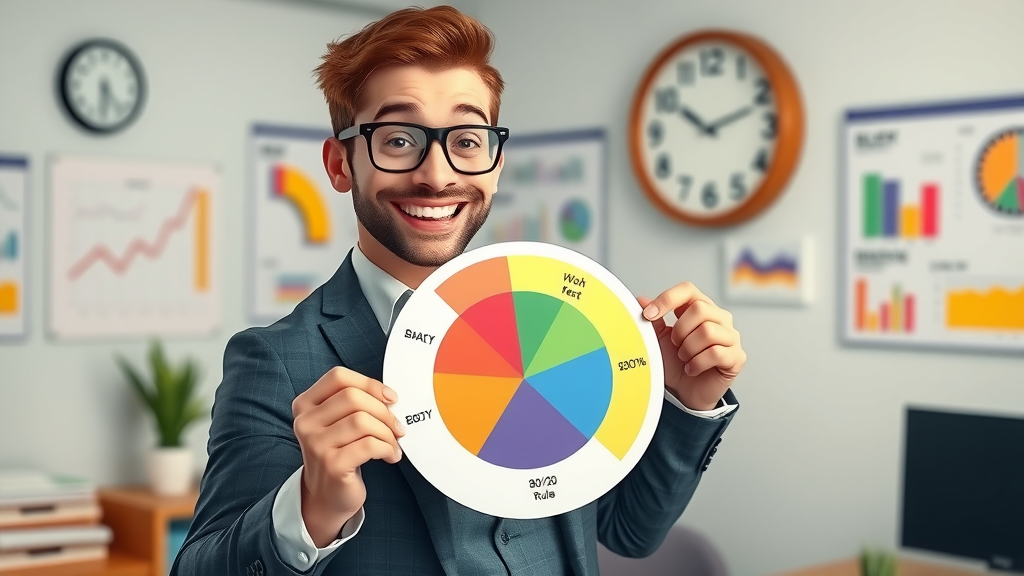
Apply the 80/20 rule to your content publishing schedule : focus 80% of your efforts on the 20% of content types and campaigns that deliver the highest ROI. For most brands, this means doubling down on evergreen blog posts, pillar articles, or high-potential media posts that consistently drive traffic, shares, or leads.
Evaluate performance data to identify which content types resonate most with your target audience . Once identified, organize your content calendar to prioritize their production and promotion. Adjusting your focus in this data-driven way ensures no effort or resource is wasted—maximizing engagement across every channel.
Evergreen Content in Your Content Publishing Schedule: Lasting Value Made Simple
Evergreen content offers lasting value, driving engagement well after its initial release. Schedule regular updates of your top-performing evergreen resources (how-to guides, FAQs, or industry explainers) to keep them relevant and ranking. Integrate these into your weekly or monthly content calendar template for a steady baseline of traffic and authority.
Combine this with smart repurposing—turning a popular webinar into a downloadable guide, or slicing a comprehensive blog post into a series of social media assets. This hack not only freshens up your digital footprint but extends the shelf-life and reach of each piece of content you create.
-
Actionable Tips: How to repurpose content, optimize timing, and automate reminders with Google Calendar and other tools.
Leveraging Social Media Calendar and Media Calendar Integrations
Automating Social Media Post Scheduling for Seamless Content Distribution
Automation is vital for scaling your content publishing schedule without burning out your team. Use tools that allow bulk upload of social media posts , auto-reminders for approvals, and scheduled releases across all platforms. Platforms like Google Calendar , Buffer, or Hootsuite make managing a full content pipeline a frictionless experience.
Automating repetitive tasks means your team can devote more energy to creative projects and timely campaigns. Schedule recurring posts, automate reminders, and enable instant publishing from one central dashboard—levels of efficiency that drive exponential growth in engagement and reach.

Synchronizing Your Media Calendar With Your Content Plan
A unified media calendar syncs all your content planning efforts—bridging social, blogs, campaigns, and even PR initiatives. This approach simplifies cross-channel promotion, ensures deadlines are harmonized, and gives you a bird’s-eye view on every media post in the works. Think of the media calendar as your operational command center, reducing missed opportunities and overlap between departments.
Choose software that supports integrations with your other marketing tools, like CRMs, analytics platforms, and project management dashboards. This ensures your content strategy remains flexible, scalable, and responsive to new opportunities as they arise.
-
List of recommended tools for managing a unified content publishing schedule across platforms.
Measuring Success: Data-Driven Insights for Your Content Publishing Schedule
Key Metrics: Tracking Social Media, Content Calendar, and Editorial Calendar Performance
Tracking the right metrics is critical for understanding what works in your content publishing schedule . Key indicators to monitor include engagement rates, reach, click-through rates, conversion metrics, and consistency of posting. Use analytics dashboards that combine views from your content calendar , social media performance, and editorial calendar deadlines for a comprehensive view.
Set benchmarks for each type of campaign and compare across weeks or months to understand trends. Regular performance reviews allow your team to celebrate wins, identify underperformers, and drive continuous improvement in both strategy and execution.

Adapting Your Content Publishing Schedule Based on Analytics
Agility is at the heart of great content planning. Rather than sticking to a fixed content publishing schedule , use real-time analytics to make timely adjustments. If certain posts outperform expectations, pivot your editorial focus to similar topics; if a campaign underdelivers, troubleshoot and evolve your messaging on the fly.
Frequent schedule optimization keeps your strategy fresh and aligned with your audience’s evolving needs. The best teams meet weekly to review metrics, collaborate on insights, and fine-tune their calendar templates as needed.
|
|
|
|
Sample Analytics Dashboard: Key Content KPIs |
|
Content Type |
Impressions |
Engagement Rate (%) |
Conversions |
|---|---|---|---|
|
Blog Post |
15,500 |
7.3 |
230 |
|
Video |
22,300 |
10.2 |
425 |
|
Social Media Post |
48,200 |
4.1 |
150 |
|
Newsletter |
8,700 |
12.6 |
81 |
Advanced Content Planning Scheduling: Overcoming Common Challenges
Managing Multiple Content Calendars Across Teams
Large organizations or agencies often deal with numerous content calendars —juggling editorial, social, product, and media plans. To avoid silos, adopt unified platforms that allow multiple calendars (with color-coding and permissions) but still offer a master view for cross-team coordination. Assign calendar owners or champions in each department to update and audit their schedule regularly.
Syncing these calendars creates greater transparency, streamlines handovers, and ensures overarching marketing goals are met. Encourage frequent check-ins between team members to avoid conflicting launches and keep everyone aligned on priorities and resources.

Eliminating Bottlenecks in Content Creation and Approvals
Bottlenecks most frequently occur in the content creation or approval process—leading to missed deadlines or rushed, lower-quality posts. Solve this by mapping each step (briefing, creation, review, publish) and enforcing time limits for approvals. Use workflow automation tools to send nudge reminders and escalation alerts if deadlines slip.
Empower your team members with clear guidelines on who can approve which type of content and under what circumstances. Training, role clarity, and a transparent, documented process lead to faster turnaround and higher-quality content, so you never miss an engagement opportunity.
Best Practices for Balancing Spontaneous and Planned Media Posts
The perfect content publishing schedule leaves room for both well-planned series and agile, news-driven posts. Use your calendar templates to block out window time for real-time trends, seasonal events, or last-minute company news. This hybrid approach lets your brand remain relevant and timely without sacrificing consistency or organization.
Communicate with your marketing team so all members know how to surface last-minute ideas and quickly update the editorial calendar. Embracing this balance keeps your content fresh, maintains brand flexibility, and fosters authentic engagement with your audience.
-
Quick-win hacks to optimize workflows, avoid burnout, and keep your content marketing synchronized.
Video: How to Build Your Own Content Publishing Schedule Using Calendar Templates
Step-by-Step Visual Walkthrough for Setting Up a Content Calendar Template
-
Key takeaways: Template selection, content input, and automation tips for social media calendars.
Video: Experts Share Their Proven Content Publishing Schedule Hacks
-
Insights from industry leaders on defining your editorial calendar and leveraging content planning for exponential engagement growth.
Video: Measuring ROI of Your Content Publishing Schedule
Sharpening Your Performance with Actionable Analytics
-
Best practices for interpreting engagement, reach, and conversion metrics across your content calendars.
People Also Ask: Essential Answers About Content Publishing Schedules
What is a content publishing schedule and why is it important?
-
A content publishing schedule is a planned timetable for releasing content across multiple channels such as social media, blogs, and newsletters. It ensures consistency, helps teams meet marketing goals, and increases audience engagement.
How do you develop a content calendar for social media?
-
Start by outlining your marketing goals, audience needs, and preferred content types. Use a content calendar template to schedule social media posts, ensuring content aligns with your strategy and maximizes reach.
What are the benefits of using an editorial calendar?
-
An editorial calendar streamlines content creation, prevents deadlines from being missed, enables cross-team collaboration, and supports a consistent brand message across all platforms.
Can you automate a content publishing schedule?
-
Yes. By leveraging tools like Google Calendar, social media calendars, and automation platforms, you can automate scheduling, reminders, and publishing across various channels for greater efficiency and scalability.
Frequently Asked Questions on Building a Results-Driven Content Publishing Schedule
How often should you review your content publishing schedule?
It's recommended to review your content publishing schedule weekly or bi-weekly. This allows your team to monitor performance, address missed opportunities, and adapt to real-time trends. Regular reviews ensure your strategy stays relevant and aligned with your marketing goals.
What tools work best for content calendar management?
Popular tools include Google Sheets, Trello, CoSchedule, and Monday.com. The best choice depends on your team's size, workflow complexity, and desired integrations with other marketing platforms. Look for features like collaboration, automation, and analytics tracking.
How does a content strategy change with different content types?
A strong content strategy adapts based on the content types you prioritize. For instance, video may require longer planning cycles and more resources, while social media posts benefit from quick turnarounds and trend-driven topics. Adjust your calendar and team roles according to the demands and goals of each type of content.
-
Get actionable answers about frequency, tools, and content type strategies that make your content publishing schedule more effective.
Key Insights for Supercharging Your Content Publishing Schedule
-
Consistency in your content publishing schedule drives engagement.
-
Integrating editorial and social media calendars creates a unified workflow.
-
Automation is essential for scaling your content strategy.
-
Data analytics must guide content planning and optimization.
Ready to Skyrocket Your Engagement With the Ultimate Content Publishing Schedule?
-
Let’s connect—I'll show you how a strategic content calendar can transform your social media. http://wingroupmedia.xyz/services
Take action now—refine your content publishing schedule, integrate the expert hacks above, and start turning every piece of content into an engagement powerhouse!




Write A Comment